





Americans are fed up with surprise, ‘gotcha!’ medical bills. Surprise bills occur when patients either unknowingly or cannot avoid receiving care from physicians and therapists, or in hospitals, clinics and labs that are not in the provider networks of a patient’s health plan. Out-of-network providers typically charges fees much higher than the usual & customary price reimbursed by health plans. When the fees exceed health plans’ in-network rates, patients are required to pay the outstanding balance. Patients are also often required to pay a higher percentage coinsurance for going out-of-network. The medical establishment calls this practice balance billing, which has become a strategy many doctors, clinics, hospitals and labs use to boost revenue beyond what health plans customarily pay. What amounts to a few extra bucks in revenue to a clinic is often a huge bite to patients’ wallets.
Gotcha! medicine is a growing problem across the country. It’s to the point that even careful consumers find it difficult to avoid surprise medical bills. Providers – doctors, hospitals, clinics, labs and so on – like to blame balance billing on narrow networks and paltry health plan reimbursements. Yet, patients have proven to be a source of additional revenue too lucrative for many providers to ignore. As a result, it is doubtful balance billing would go away even if insurers were to double or triple the provider fees they pay.
Arguably, one reason surprise medical bills occur is because patients are not warned about out-of-network status prior to receiving care. Patients later discover – only after they’ve been cared for by an out-of-network provider – that they owe substantial medical bills. The likely reason patients are rarely warned prior to care is because the out-of-network ‘balance billing business model’ works best when patients are caught off guard. Patients have little choice but to pay surprise medical bills if they don’t know until it’s too late that their provider was out-of-network.
There is certainly nothing wrong with providers declining to join provider networks. After all, not every doctor, clinic, lab or hospital can be in every health plan network. Furthermore, health care providers in competitive markets should be free to establish fees in accordance with market conditions where they provide care. However, providers should not be allowed to profit from subterfuge; gaming the health care system by intentionally keeping their network status and prices a secret until it’s too late.
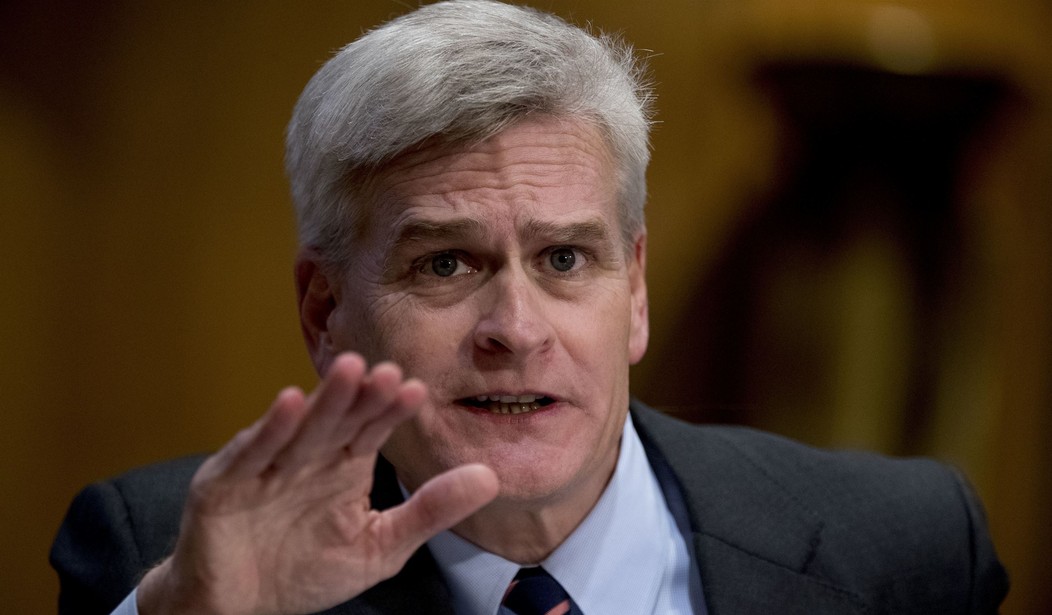
A bipartisan group of U.S. Senators led by Bill Cassidy (R-LA) recently announced they expect to file a bill in March to protect patients from surprise medical bills. Legislation to rein-in surprise medical bills is on the agenda at the state level in Texas, Washington State and Georgia. Similar legislation has either been debated, passed or soon will be on the agenda in the remaining 47 states.
It often takes multiple attempts for states to tackle surprise medical bills. The Texas Legislature created consumer protections against surprise medical bills in 2009 and later expanded them in 2017. Texas’ surprise bill mediation program is predicted to field 8,000 requests from patients this year. Kelly Hancock, a Texas Republican state senator and Trey Martinez Fischer, a Democrat state representative, both filed bills in the Texas legislature. Their goal is to further expand mediation by removing patients from the negotiation over out-of-network fees. Although mediation helps, a solution besides mediation is needed. Texas and other states (the entire United States, actually) also need to identify solutions that discourage billing disputes in the first place.
Duke University law professor Barak Richman believes the legal concept of mutual assent could be used to protect patients from excessive out-of-network provider fees. In most other areas of our economy a meeting of the minds (also known as mutual assent) is required to have an enforceable agreement under contract law. The solution to the growing problem of surprise medical bills is to require greater transparency in physician, clinic and hospital bills. Providers should also be required to make their network affiliations more transparent to patients. How do we boost transparency? Simple: by making it more difficult to collect outstanding medical bills when patients are treated by a provider who did not disclose network affiliations or provide a cost estimate prior to care. Hospitals should be responsible for negotiating and disclosing the fees of those providers who work inside the hospital.
Devon M. Herrick, PhD is a health economist and public policy analyst. He is a former hospital accountant and was a senior fellow at the Dallas-based National Center for Policy Analysis for nearly 20 years.



Join the Conversation
VIP members get the ability to comment on articles.