





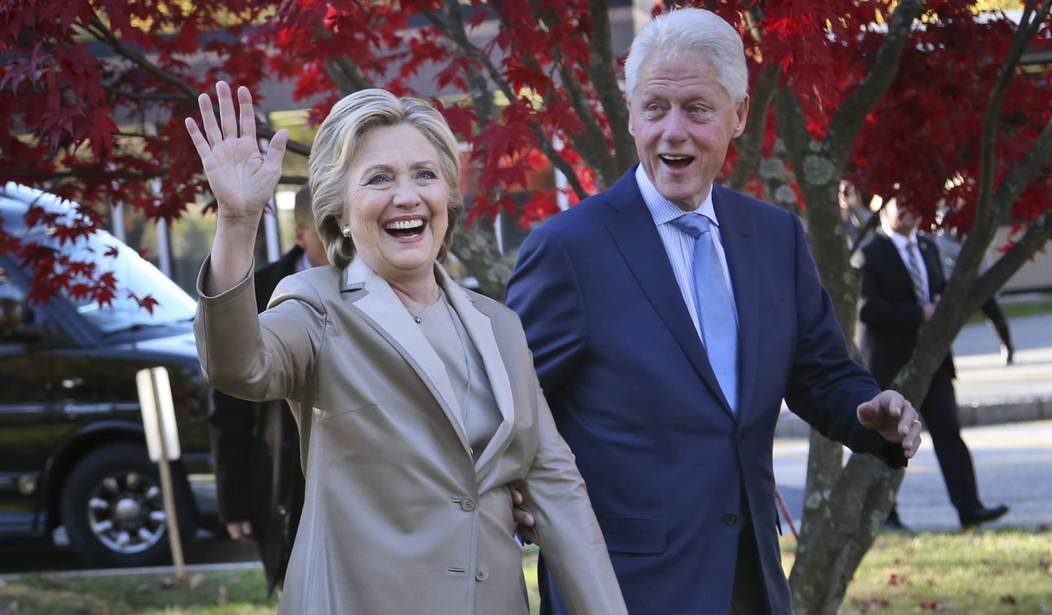
Former presidents are among the wealthiest people in the country. The “poorest” of them, Jimmy Carter, is worth $8 million, placing him near the fabled “one percent” of richest Americans. Bill and Hillary Clinton earned a reported $229 million in the fifteen years after the conclusion of his second term as president. And despite this fantastic wealth, taxpayers subsidize former presidents to the tune of $4 million per year because of an antiquated benefit system.
Since 2000, taxpayers have paid out $63 million in benefits and office allowances to the five living former presidents (plus $5 million to President Ford and $4 million to President Reagan). President Clinton, worth an estimated $76 million, has received the most benefits, collecting over $21 million since the turn of the century. Obama is on pace to top that with annual payouts of $1.4 million.
The benefit system was set up in 1958 for President Truman, who was in financial distress upon leaving office. No one wanted to see a former president in poverty, so a law was enacted to “maintain the dignity” of the office. The Former Presidents Act provided benefits that includes funding for travel, office space, staff, and supplies to assist with remaining duties related to their time in office. The benefits also include health care and a pension equal to the pay level for cabinet chiefs.
But Truman’s situation was unique. The income-earning opportunities for former presidents in the 21st century have grown considerably. They can cash in on their historical significance, name recognition, and connections to seal multimillion dollar book contracts, content production deals with streaming media giants, or collect several hundred thousand dollars per event for speaking engagements.
Given the wealth and earning potential for modern-day former presidents, the time has come to reduce the burdens they place on ordinary taxpayers. Relief could come in the form of the Presidential Allowance Modernization Act, introduced in the House by Rep. Jody Hice (R-GA), and in the Senate by Sen. Joni Ernst (R-IA).
The reform would limit the pension a president could receive to $200,000 annually (indexed to inflation) and cap expenses for office space. It would reduce this allowance dollar for dollar by the amount that a president’s adjusted gross income exceeds $400,000, while leaving intact current healthcare benefits and Secret Service protection. In other words, it would maintain a safety net for a former president in financial distress, while phasing out benefits for those with great wealth. A previous version of the reform passed both chambers of Congress in 2016, only to be vetoed by soon-to-be-former-President Obama.
The new bill, easily passed by the House, awaits action in the Senate. There are several indications that the current occupant of the White House would not veto it like his predecessor. President Trump is wealthier than any of his predecessors and has already donated all of his $400,000 annual presidential salary to various causes. The principles of the reform also align with President Trump’s recently announced government reorganization plan to eliminate waste and make government programs more accountable.
Our former presidents, among the wealthiest of Americans, don’t need taxpayers’ help to pay for an office or staff. The allowance reform would save $10 million over five years While that’s not a significant amount compared with the massive federal deficit, reducing a taxpayer welfare program for millionaires would be a noteworthy achievement, and send a sign that Washington policymakers are capable of cutting benefits for the elite so that they can focus on the problems that affect everyday Americans.
Demian Brady is the Director of Research with the National Taxpayers Union Foundation, a nonprofit dedicated to research and education about tax policy at all levels of government.



Join the Conversation
VIP members get the ability to comment on articles.