






U.S. District Judge Lucy H. Koh ruled Friday that there was so much evidence in a class action suit against Apple, Google and other big byte corporations that she felt compelled to scotch a $324 million settlement, which would have compensated 60,000-plus tech workers, because it would not have been enough. "There is ample evidence of an overarching conspiracy," Koh wrote, that involved tech giants illegally agreeing not to recruit one another's workers. The late Steve Jobs of Apple warned Google execs that if they hired Apple staff, there would be war. Jobs, wrote Koh, "was a, if not the, central figure in the alleged conspiracy."
After plaintiffs' lawyers pocketed their 25 percent cut and fees, aggrieved techies would have walked away with less then $4,000 apiece -- and that payday, to Koh's thinking, would have fallen "below the range of reasonableness."
Savor the many ironies here. The Bay Area is ever ready to broadcast its liberal politics and love of social justice. The tech world ostensibly tempers liberal sensibilities with a real-world respect for creative disruption, which in vibrant economies lifts some boats and sinks others.
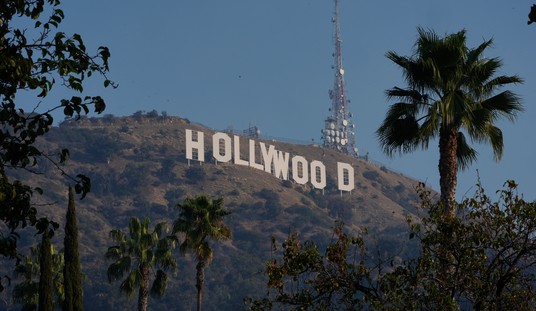
Yet this lawsuit reveals Silicon Valley as a hub that breaks both ideals. Big byte yields income inequality, with an assist from tech titans' collusion in skirting antitrust laws to thwart competition in the job market.
Koh quoted filmmaker George Lucas, whose Lucasfilm Ltd. reached a settlement in similar litigation, saying, "We cannot get into a bidding war with other companies because we don't have the margins for that sort of thing." According to Forbes, Lucas has an estimated worth in excess of $5 billion.
Some readers -- or, for that matter, jurors -- may not sympathize with tech worker plaintiffs. Robert Half Technology recently reported that the starting salary for Bay Area software engineers is $121,611 to $185,974. They're not exactly destitute.
But at its heart, this suit is about CEOs deciding to use raw power to keep employees in check and afraid to stray from their cages. Apple wanted consumers to pay top dollar for its products, but if Koh is right, big byte scions made "hands off" handshakes so they would not have to pay top dollar to their people.
In her 32-page ruling, Koh laid out the dirty details. Jobs leaned on Google not to poach a Safari team. Google fired the would-be-Apple-poaching recruiter to set a "public example." Other big shots joined the "hands off" cabal. Rare was the CEO who dared say no.
Former Palm President Edward Colligan stood up to Jobs. In an email, he wrote that a deal not to poach staff members, "regardless of the individual's desires, is not only wrong, it is likely illegal."
When Facebook, also to its credit, refused to join the hands-off club, the dam broke. Google dished out 10 percent raises to salaried employees and $1,000 cash bonuses for all. When big byte's big shots couldn't use coercion to keep their people on the bus, they ponied up.

Join the Conversation
VIP members get the ability to comment on articles.