





America has a problem. People are naturally social creatures and indeed need to be around humans in order to properly function. But, a new report shows that 22 percent of millennials claim that they do not have any actual friends.
A poll conducted by YouGov released on July 30 reveals that 30 percent of millennials say they "always or often feel lonely" compared to 20 percent of Gen Xers and just 15 percent of Boomers feeling the same way.
Likewise, millennials are more likely to say "they have no acquaintances (25% of Millennials say this is the case), no friends (22%), no close friends (27%), and no best friends (30%)" than the other age groups.
The study did not examine why millennials feel this way, but other research shows that social media is actually to blame for increased loneliness.
"Here’s the bottom line," psychologist Melissa G. Hunt said regarding a recent study. “Using less social media than you normally would leads to significant decreases in both depression and loneliness. These effects are particularly pronounced for folks who were more depressed when they came into the study."
"It is a little ironic that reducing your use of social media actually makes you feel less lonely,” she added. But, “Some of the existing literature on social media suggests there’s an enormous amount of social comparison that happens. When you look at other people’s lives, particularly on Instagram, it’s easy to conclude that everyone else’s life is cooler or better than yours."
Recommended
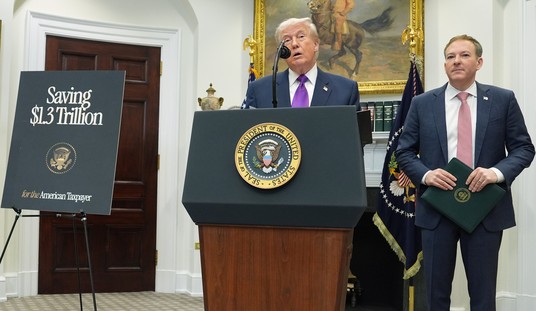
The YouGov study was published just days before two millennials murdered innocent human beings in El Paso, Texas and Dayton, Ohio. President Donald J. Trump on Monday iterated in his speech that the effects that the internet on society has had must be examined when looking for reasons why mass shootings occur.
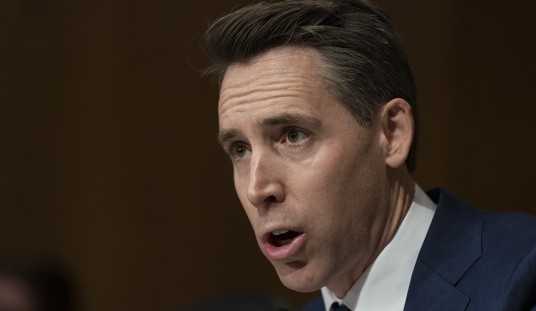
Likewise, Missouri Senator Josh Hawley recently introduced legislation which would limit the "addicting" features of social media. Hawley was mocked for his suggestions, and some conservatives warned his beliefs were an overreach of government power.










Join the conversation as a VIP Member