


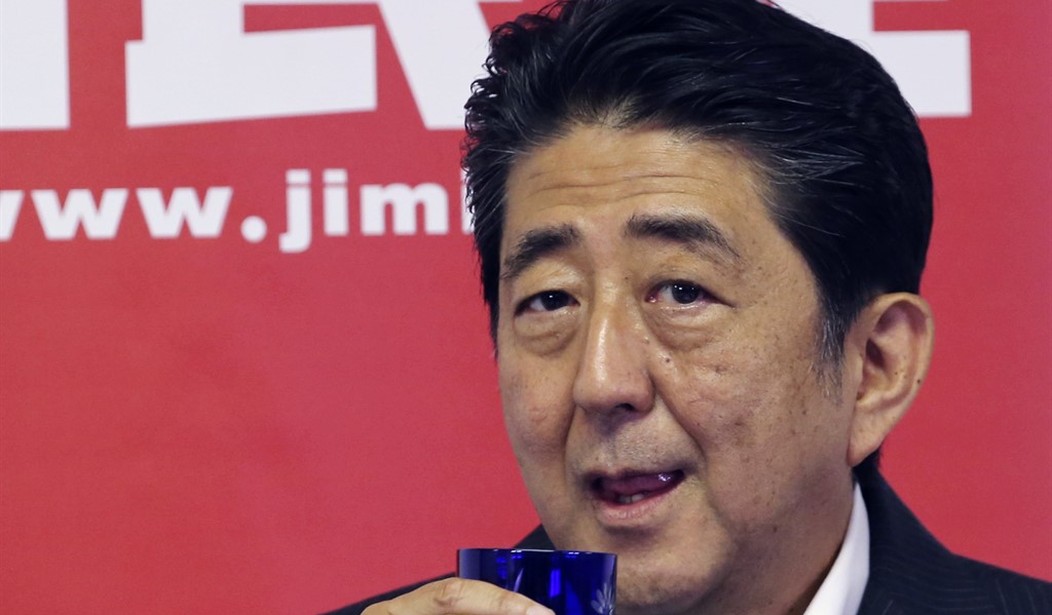
If you’re Japanese Prime Minister Shinzo Abe, life is pretty good. His centre-right ruling party, the Liberal Democratic Party, won Sunday’s election by resounding margins. So much so, his Party and coalition allies have captured the 2/3 majority of the upper house needed to amend the Constitution of Japan.
Despite concerns over a stagnant economy, 18 and 19 year olds getting the right to vote for the first time, and many citizens having reservations about a more militarized Japan – Japanese voters felt Prime Minister Abe is doing a satisfactory job as leader and still have faith in Abenomics.
The election victory may also be more of a sign that Japanese voters prefer stability over change. The Liberal Democratic Party has essentially ruled Japanese politics for over the past sixty years, marking them as the most successful political party in the democratic world.
What will be the outcome of Abe’s victory? A long-held goal of the Prime Minister is for his country to gain more sovereignty over military actions. Since the end of WWII, Article 9 of the Japanese Constitution strictly forbids war as a means to settle international disputes.
For Abe to overturn the pacifist clause calling for a complete renunciation of war, he will still have to overcome some serious obstacles. Not every lawmaker in his governing coalition agrees that the Constitution needs to change, and lots of citizens – with memory of an imperial Japan still strong – oppose any changes whatsoever.
If a constitutional amendment were successful at the legislative level, it would still need to be approved by a majority of Japanese voters. According to a recent poll by NHK, one-third of voters oppose the change while another third are in support of it.
We could also see some American support for a change to the pacifist constitution. On the campaign trail, Donald Trump has famously called for other counties, including Japan, to carry more of their own weight in regards to military protection instead of leaving everything for the American military to handle.
The United States is bound by treaty to defend Japan in the event of war.













Join the conversation as a VIP Member