


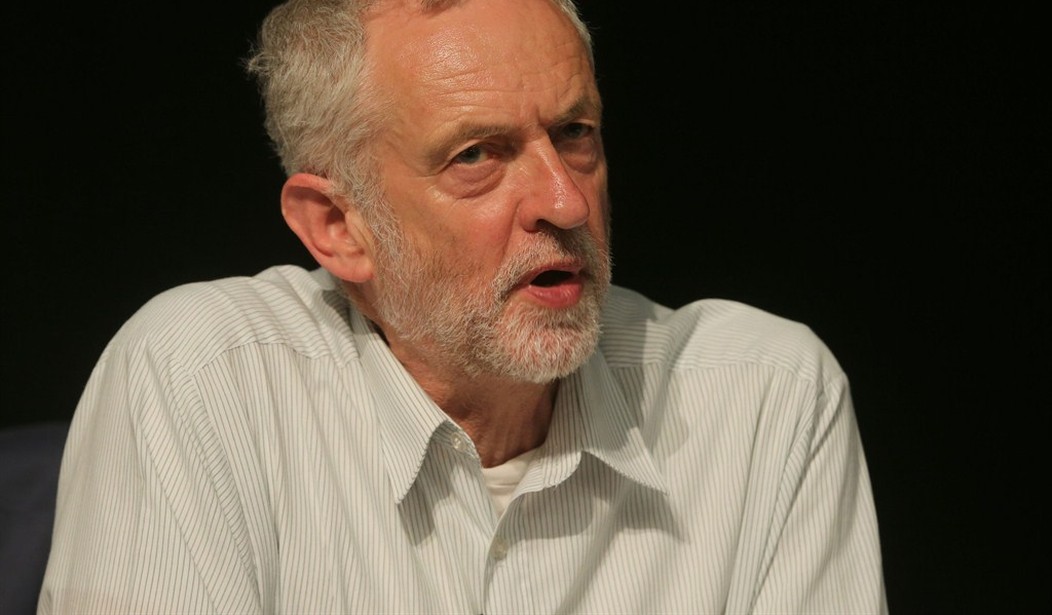
One of the candidates to succeed Ed Miliband as Leader of the British Labour Party has tabled a motion in the House of Commons demanding police action to protect abortion clinics. Left-winger, Jeremy Corbyn MP, was one of seven Members of Parliament to back the move, which includes calls for a “buffer zone” outside clinics.
The buffer zones would give police the right to remove protesters when they believe their activities are preventing women from “accessing treatment… free from intimidation.” There would also be national guidelines for police, explaining the circumstances in which they can remove protesters.
The proposal was put before the House of Commons as an “Early Day Motion” (EDM), which does not have the force of legislation but is designed to pressure government. In this case the EDM was tabled by Diane Abbott MP, who is seeking the Labour nomination for Mayor of London.
The group said they were “deeply concerned” about the escalation of anti-abortion protests in the UK. They claimed the protests were “having a significant impact on women's ability to access safe, legal reproductive healthcare services and advice.”
The motion also claimed there had been one case of an abortion clinic closing as a result of the protests, although it did not give further information. It said a second unnamed clinic was unable to open as a result of “local fears about anti-abortion activity.” Anti-abortion campaigners were described as “threatening” and are accused of trying to “harass and film women.”
Recommended

Support for the motion is not widespread among the 650 members of the House of Commons but winning the backing of a Labour Leadership candidate does lend credibility to the proposal. Mr Corbyn was considered an outsider when he entered the race but he now has the backing of the powerful Unite Trade Union. Unite is the Labour Party's biggest donor and has been accused of using its votes to push its members ahead in the party.
Mr Corbyn is no stranger to controversy, in 1999 he divorced his wife because she wanted to send their son Ben to a selective Grammar School rather than a local school. The school Corbyn favored was in a poor part of central London and had been identified as “failing” by inspectors.
He is also a supporter of the Campaign for Nuclear Disarmament, which wanted Britain to give up its nuclear deterrent during the Cold War. He has claimed in the past he could not be friends with anyone unless they were left-wing.
There are around 185,000 abortions every year in the UK, almost all of them are performed under Section C of The Abortion Act 1967. The provision allows abortions if there is a risk to the mental health of the mother should the pregnancy go ahead. Section C has been used to effectively roll out 'abortion on demand' despite the law have been intended to only allow medical reasons for the procedure.
If Corbyn becomes Labour Leader he would contest the 2020 General Election as the party's candidate to be Prime Minister. To become the Prime Minister he would need to win a majority of seats in the House of Commons, with the side effect that he would have the votes to push through whatever he wanted. The US Constitution was especially written to avoid placing this much power in one person's hands.












Join the conversation as a VIP Member