



Disinformation, misinformation and fake news are real problems in a world that is now mainly online. However, this shouldn't blind us to the very real risk that comes from a government that aggressively polices information or becomes an arbitrator of the truth. It's simply too easy to use this power to silence political opponents or people who hold unpopular opinions. Caution on this front is more, not less, important now that America is so politically polarized.
The consensus in favor of genuine free speech is eroding as the focus shifts towards fighting "disinformation." Separating truth from fiction has become more difficult in certain respects, but does that mean we should target speech that merely makes some people uncomfortable? If we interpret this speech as a form of violence -- as many people now do -- then a politically opportunistic government might well be tempted to classify those guilty of nothing more than being politically out of favor as dangerous.
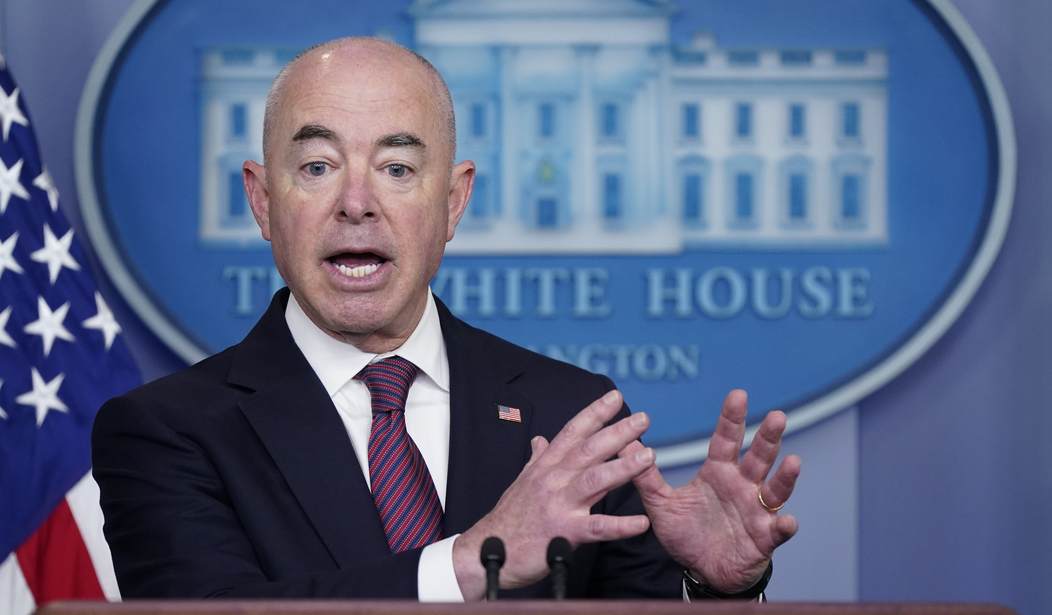
This is why a Department of Homeland Security "anti-terrorism" program, which distributed approximately $40 million to groups with a tendency to demonize their political opponents, is worrisome. For instance, the agency has funded a program that has produced material classifying mainstream conservative organizations such as the Heritage Foundation, Fox News and the GOP as only a few steps removed from neo-Nazis and far-right terrorists in terms of the threat of radicalization they represent.
I sometimes criticize conservative political rhetoric, but it's far-fetched to believe that simply watching Fox News puts one on the road to radicalization any more than watching MSNBC does. People are always entitled to their opinions. A government that forgets this could end up normalizing censorship while rendering us all less alert to real threats of radicalization.
Recommended
Also problematic is government support for the so-called Global Disinformation Index (GDI), a United Kingdom-based group reportedly funded through State Department-backed entities. The group was the recent target of a multipart investigation by the Washington Examiner for building questionable and secret advertiser "exclusion lists" targeting conservative and libertarian media.
According to GDI's assessment, among the highest-risk sites were the New York Post, RealClearPolitics and Reason. I not only write for Reason, but it employs many of my friends. Simply suggesting that a lab leak was to blame for the COVID-19 pandemic, a position which has now become relatively mainstream, was reason enough to be blacklisted.
Meanwhile, the outlets deemed "least risky" are all considered left-of-center with the exception of The Wall Street Journal. Supposedly low-risk for disinformation was the now-defunct BuzzFeed News, infamous for publishing the falsehood-laden Steele dossier.
Methodological problems, such as arbitrary and ideological distinctions between acceptable criticism and "negative targeting" of people and institutions, account for part of the ranking. But simple sloppiness is also on display: GDI falsely justified Reason's poor ranking by claiming "the site publishes no information regarding authorship attribution, pre-publication fact-checking or post-publication corrections processes, or policies to prevent disinformation in its comments section."
A quick look at Reason's website is all it takes to rebut these claims. The authorship of articles is clearly communicated to readers and corrections are issued when needed, as with The New York Times and other respectable publications. Contrary to GDI's belief, the fact that Reason doesn't police its comment section isn't based on its desire to spread disinformation but rather its belief in "free minds and free markets."
The people behind GDI are entitled to their own opinions and methodology, and advertisers are free to direct their dollars wherever they want, including for ideological reasons. Condoning this with taxpayer dollars is the problem, even if political demonization is not the government's intent.
Government involvement, direct or indirect, sends a signal that the recipient is trustworthy and neutral. Hence, some CEOs fell for the labelling. Xandr, a Microsoft-owned advertising firm, informed clients last year that it would no longer advertise on platforms with content considered by GDI to be "morally reprehensible" or "offensive." Following the reporting by the Examiner (a publication which was itself blacklisted), Xandr suspended its relationship with GDI pending review.
The government involvement also exacerbates suspicions that public institutions have been corrupted, especially among those whose favorite outlets were targeted. It could also incite some conservatives, whenever they regain power, to intensify their own efforts to use government against progressive adversaries. That in turn creates even more polarization.
While not a unique occurrence, it is a good reminder that a government that sits in judgment of what is proper or improper information is inconsistent with the values of a free society.






Join the conversation as a VIP Member