







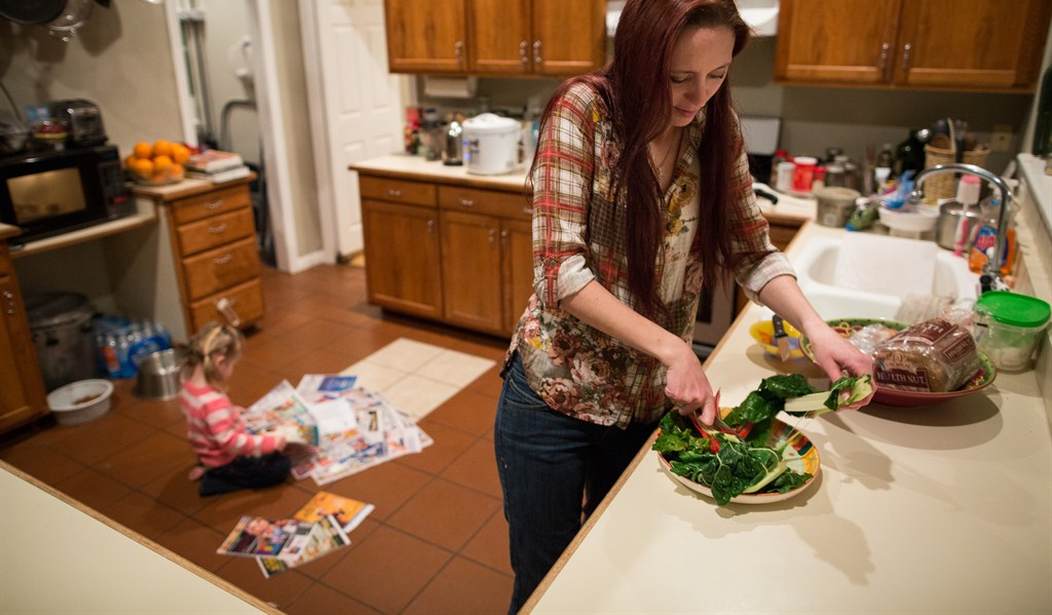
Do you like to cook? Throw dinner parties? Many people enjoy that, but paying for the food, plus accessories, is expensive. Would you host more often if you could get your guests to cover the costs?
Or suppose you'd like to go to a dinner party to meet new people in your neighborhood. Or maybe when you travel, instead of eating at restaurants, you'd like to see how the locals live.
Good news! Today both cooks and diners can get what they want. A new Internet business brings them together.
Bad news: Bureaucrats and the media worry that the dinner parties are not regulated.
Here's how the business works. On the website EatWith.com, people who want to throw parties post pictures of their homes and the kinds of things they like to cook. "I really reminisce back to the days when friends would get together for a dinner party and then, maybe meet new friends," said a hostess who let us watch one of her events. "Magical things happen around the table when you sit people with food and alcohol ... "
Eight people were eager to try her hospitality. Each chipped in $39 (other hosts charge as little as $23 for a simple pizza gathering or as much as $150 for an elegant dinner with wine). All her guests said they had a wonderful time. Some exchanged phone numbers with new friends.
EatWith.com founder Guy Michlin got the idea for this business after an experience he had on a trip to Greece.
"After many tourist traps, I happened to be invited to a local family. It was such a profound and amazing experience. And when I'm back home, I said, OK, let's share this moment with millions around the world. And just build this platform called EatWith." Now, Michlin takes a 15 percent cut of the cost of every dinner party.
What makes such businesses work is the power of reputation . Guests use the EatWith platform to rate homes and cooks. Hosts can decline guests if they don't feel comfortable with their profiles.
Government, always slow on the uptake, barely knows services like this exist. But when it finds out, odds are it will panic and regulate them. Fools in my profession will encourage that. WCBS-TV in New York, the TV station that gave me my first consumer-reporting job, aired a breathless report on "underground" dinner parties with ominous narration about "strangers" and a meal that was "completely unregulated!"
Oh, my goodness. Completely unregulated. Strangers in a home. The TV "investigators" brought in a hidden camera! Like this was a crime?
"Restaurants are regulated," say the nannies. "Caterers, too."
True. But most of the regulation is useless. It's the need to maintain one's reputation that does most to keep us safe -- especially today, with instant feedback from the Internet. No clumsy government regulation is needed. Government (so far) doesn't micromanage private dinner parties. Charging a fee shouldn't make a difference.
EatWith guests don't just count on reviews for their safety. The website vets each host in hopes of excluding any who might embarrass the company. Businesses like EatWith protect their investments by buying insurance in case someone sues.
In fact, the precautions encouraged or dictated by insurance companies are usually more rational than the ones cobbled together by the political bureaucracy because private insurance companies really have to avoid losing money. They set rational rules that encourage clean kitchens and proper food handling.
The main reason businesses must do things well is to maintain their reputations. The hope of repeat business -- for EatWith and for hosts using it -- means it's important to be hospitable and crucial not to poison your guests. Word gets out if you poison the guests.
EatWith continues to grow. Prospective hosts from more than a hundred companies have applied for listings. It's a new and terrific part of what's called the "sharing economy."
Government pretends it must have a place at the table, but free people ought to be able to eat without government permission.



Join the Conversation
VIP members get the ability to comment on articles.