




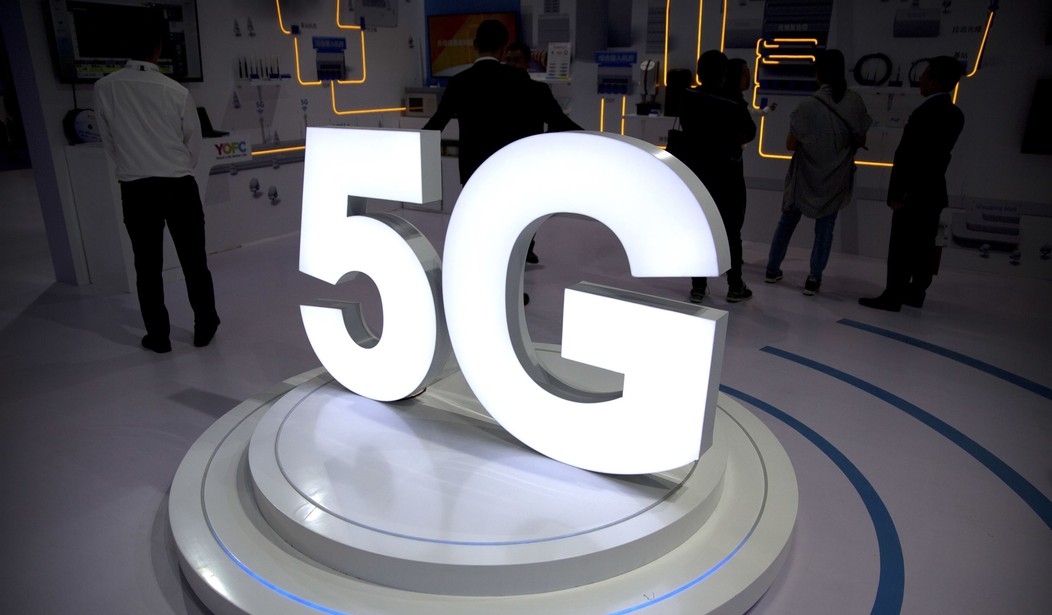
You don’t have to be Nostradamus to see that technology evolves rapidly, and the method in which internet will be delivered to homes and businesses is also shifting quickly.
Yet governments keep plowing millions of taxpayer dollars into broadband projects that have failed – or are doomed to fail. The examples are endless, from earlier entrants like Bristol Virginia Utilities to even more egregious examples like the statewide Kentucky Wired.
Cities like Traverse City, Michigan, haven’t learned the lessons exemplified by the aforementioned projects, and experts say the situation will only worsen for such government-owned networks as the advancement of 5G wireless and cable’s 10 gig initiative will improve access for Americans and lessen the need for cities to step in.
Tom Struble, technology policy manager at the R Street Institute, said 5G “should be scary” for government internet networks. The next generation of wireless technology, which promises download speeds in excess of 1 gigabit per second, is quickly gaining a foothold. Verizon is already implementing 5G in places like Sacramento, while AT&T is installing small cells in Indianapolis to beam the faster signals.
“It’s going to be increasingly prevalent this year and I think in 2020 the balance will tip from 4G to 5G,” Struble said.
The average age to build a fully-functional broadband network is about five years, so cities like Traverse City that are now in the planning stages will already be behind the curve. Struble expects that any area that can now access 4G – which is the vast majority of the United States – will have 5G in five years, whether through small cells installed in cities or low-band spectrum beamed from the air to more rural areas.
The Federal Communications Commission is helping to push 5G growth, working to reduce regulatory barriers and auction off the spectrum needed for the networks of tomorrow.
“I would be extremely hesitant to push public money into one of these [government] projects right now,” he said. “I think it would be particularly foolhardy because of how 5G can disrupt the home internet market.”
“It’s good news for consumers, but it’s not good for the wireline incumbents,” Struble added.
But the cable industry is saying not so fast. At the annual Consumer Electronics Show in Las Vegas last month, the industry revealed its 10G initiative. The G doesn’t stand for generation, as it does with wireless, but rather gig, as in incredible speeds of 10 gigabits per second. Those kinds of speeds, combined with lower latency, will be especially useful for the Wi-Fi networks seen in such heavy-usage facilities as schools, stadiums and hospitals.
Wireline operators offering faster speeds will be another major competitor for government networks. Slow speeds from incumbent providers are a common complaint from bureaucrats as they formulate plans for their own taxpayer-funded networks. A movement to offer faster connections will give residents even less incentive to switch to city-run systems. In the next five years, broadband speeds are prone to be more prevalent from private providers, if not gig speeds.
Between the efforts of the cable and wireless industries, the vast majority of Americans will enjoy plenty of high-speed internet access in the next five years. Local governments would be wise to avoid wasting so much taxpayer money today on networks that could very easily be obsolete tomorrow.






Join the conversation as a VIP Member