



William Wordsworth wrote, “The best portion of a good man’s life is his little, nameless, unremembered acts of kindness and love.” For Tony Snow, those acts of kindness and love were numerous, and many of us recall those acts with grateful remembrance.
Over and over again since his death on Sunday, we have heard friends and colleagues — even strangers — describe Tony Snow as a decent and good man. Colleagues like Chris Wallace and Brit Hume sang his praises; so, too, did political opponents like David Gregory and Susan Estrich.
Yes, he was multi-talented. Roger Ailes described him as a modern-day Renaissance man. He was an affable intellectual who engaged in and loved such diverse interests as music, films and politics. Tony wrote penetrating columns, gave in-depth analyses of current issues, entertained with televised political commentary, and he presided at the White House Press Secretary’s podium with aplomb we are unlikely to see again soon. Rather than relying on his good looks and charming personality for a meteoric climb to stardom, he earned his success the hard way, through dedicated service and a consistent commitment to excellence. He was a person of substance who could package depth of scholarship and intellect in everyday language. He could deliver criticism and pointed political attacks followed by a smile that took the sting out. In short, he excelled at everything (except, according to friends’ accounts, being a handyman around the house). He was a devoted family man who loved his wife, Jill, and his son, Robbie; he doted on his two daughters, Kendall and Kristi.
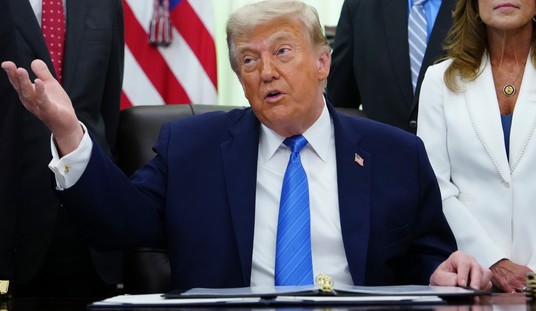
I learned some very important career and life lessons from my interactions with Tony Snow.
My first encounter with Tony Snow was in my first weeks as a colleague in the White House speech writing office during the first Bush Administration. I was a newly appointed presidential speechwriter, coming to the position from an academic background rather than from newspaper experience. Some of my colleagues, though gracious, were a bit put off by my Ph.D and academic background. Others, perhaps because I wasn't a well-known journalist like Peggy Noonan or Andrew Ferguson, tended to be a little wary. And some who had been with the first President Bush through political campaigns were more than a little skeptical of the new hire from outside the beltway. Tony, though, was very generous, welcoming and encouraging. I did not have to earn respect from him; he generously accepted me from my first day on the job based on his character, not whether I had a Washington reputation. He went out of his way to express admiration for my work and to make sure I knew I was an integral part of the team and that my talents were needed and contributions valued.
It didn’t take long to discover that within the White House (then as now, I’m sure), Presidential aides thought the best way to handle White House crises was to switch personnel around. The re-election campaign managers weren’t getting the job done so . . . you guessed it, Tony was moved from director of speechwriting to media affairs. His attitude and demeanor did not waver; he was unfailingly upbeat and viewed his new job with the same enthusiasm that he had devoted to his previous position. Ironically (and not surprisingly for those of us who believe in Divine guidance in our lives), that new position helped to pave the way for his post-White House television and broadcasting career. I learned from observing Tony’s reaction to that professional set back that other peoples’ actions don’t define who you are or limit your potential. With a positive attitude and enthusiasm for the future, we make our own opportunities. Tony turned in a new direction with fervor and forged a brighter path than before.
Tony showed us all the importance of focusing on the important things in life. While he was dedicated to his career, there was no question that his family came first.
He loved being the White House Press Secretary. He was challenged by the give-and-take with the reporters and loved the spirited exchanges over policy and politics. In many respects, he was created for that job, and his previous jobs had honed his skills for such responsibility. He was familiar with White House intrigues and able to avoid being set up for failure; he insisted on total freedom of access to meetings and personnel. He was determined to know what was going on so that he could defend the President and his policies. He knew that knowledge was the only thing that would keep his communication with the press honest and valid.
Tony also kept it real — no small task in the nation’s capital where spin is the oil that keeps the wheels rolling. With his characteristic grin, he would decline to comment or frankly state that he planned to “dodge” a particular question. He was genuine in his love for the job and honest in his reactions to the press. He knew the spiritual dimension of being “in the world” without being “of the world.” He was “in the press” without being “of the press.” In other words, he had been a colleague of the reporters, so he instinctively understood their needs, but he also was aware that he was not “of the press,” so he had to provide objective information to the general public that explained the Administration’s policies and advanced the President’s positions without betraying his alliances to both sides of that divide. He was an acknowledged master at that balancing act.
Part of Tony’s success came from his ability to remain friends with those in the opposite political camp. He could figuratively slap a reporter’s hand for being rude during a press conference and later respond jovially at a personal level. He was uniquely able to separate the personal from the professional, the trivial differences from the central human concerns.
The most poignant and impressive lesson that I learned from Tony was how to live well and end life with integrity and grit. Since his mother had died at age 37 of colon cancer, Tony knew his odds were not good. When his colon cancer returned in the stomach and liver, he knew he was living on borrowed time. He did not have to change his way of life; he was already cherishing each moment with his family. He did, however, understand that this life is temporary and that only the eternal has lasting value and significance. He loved his family and told them so. He loved life and lived it fully and vibrantly.
Psalms 112 tells us about the inheritance of good men: they will be mighty on earth, their generation will be blessed, and their righteousness will endure forever. My life, and that of countless others, is richer for having known this good man and from learning life’s lessons from his time among us.






Join the conversation as a VIP Member