



WASHINGTON -- Democrats are fast approaching the day of reckoning in the battle for their party's presidential nomination when they will have to deal with the problem they fear most: What will the supporters of the losing candidate do next?
Democrats have survived many divisive and bitter primary battles over the years, usually coming together in the end to wage a unified campaign in the general election. But this time two candidates divide their party in a historic battle to nominate either the first woman or the first black man for the presidency.
One will lose, but how he or she loses is now the focus of debate in the party's inner sanctums. The likely scenario is that a tiny group of less than 300 superdelegates -- unpledged senior party VIPs -- will end the impasse, in some cases regardless of how their states or congressional districts voted in party primaries.
Until now, Barack Obama has been narrowing the gap in the fight for these freelance party bosses and racking up a string of pledges over the past month. But Hillary Clinton's lieutenants are urging those who are still uncommitted to hold off until the primaries end in June when she hopes to be in a position where enough of them could put her over the top.
Ask former national chairman of Democratic National Committee Steve Grossman, a Hillary Clinton supporter who ran the party under Bill Clinton, what his biggest worry is right now and he says it's the loser in this race.
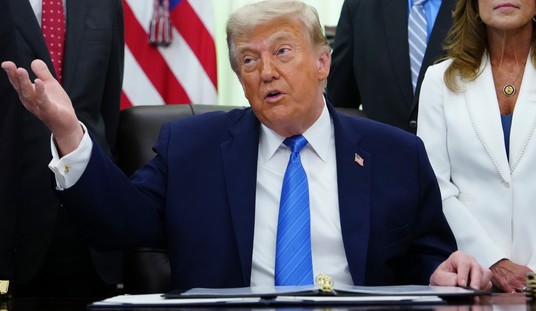
"I'm concerned about the supporters of the losing candidate, and that somehow the process might not be seen as fair as they would like," the Boston, Mass., powerbroker told me.
He worries that if Clinton is able to peel away enough superdelegates to deny Obama the prize by a handful of votes, the party's loyal black voters will think the nomination was stolen.
"I'm also concerned on Hillary's side that women might think she has not been treated right because of the way she was treated in Michigan. How do you deny the right of voters not to have their vote counted, or the right to a revote," Grossman said.
"Right now, emotions on both sides are running high. The most important persons will be the supporters of the one who loses because they are the voters who we will have to look in the eye -- and how they respond after this will be absolutely critical to keeping the party unified after the nomination is decided," he said.
Numerous polls show a sizable percentage of Democrats saying they would either vote for John McCain or not vote at all in the general election if their candidate does not win their party's nomination. History shows that, in the end, most unite around the nominee, but even if 10 percent desert their party or stay home, that could be the deciding factor in a close election.
For now, it seems, the Democrats' long nominating race comes down to a floating mathematical equation that by itself engenders suspicions on both sides. Since January, when the first caucuses and primaries started, the delegate toll needed to win was 2,025.
But Clinton's campaign this week, seemingly moving the goal posts further downfield, said the magic number will likely be higher than that when the party eventually agrees to seat and apportion the disputed Michigan and Florida delegations.
Plans are circulating behind the scenes to seat both delegations and to apportion about half their delegates between the candidates. That could push the nominating number up by a couple of hundred votes.
One proposal on the front burner would apportion the added delegate numbers so that they would not necessarily change the dynamics of the race and reflect the primary wins of both candidates.
Absent from all the daily reporting on the Democrats' race is the key word "proportional," which describes the excessively egalitarian system in which both candidates end up with a big share of the delegates in each contest.
Clinton campaign strategists think she will be able to eat into Obama's lead over the remaining six contests, ending in Puerto Rico on June 1.
By that time, strategists who have crunched the numbers told me that she'll be closer to Obama's lead but still behind him.
"I think that when this is over, Obama will still have a lead in pledged delegates because of the party's proportional system," Grossman said. "But I suggest she will narrow the gap and she will win the popular vote, and she will be able to demonstrate after June 3 that she is the best candidate to put up against McCain.
"The uncommitted superdelegates would be the ones to put her over the top," he said, though he acknowledges that would also require getting some "delegates to switch sides."
That's when Grossman's worst fears could come true.







Join the conversation as a VIP Member