





Despite the Biden administration's claims early on that rising prices on common goods and services were just "temporary" inflation, extended upward pressure caused by excessive spending has spread throughout our economy as businesses have little choice but pass higher costs on to consumers. Now, ride-sharing apps are doing the same as gasoline continues to set all-time highs.
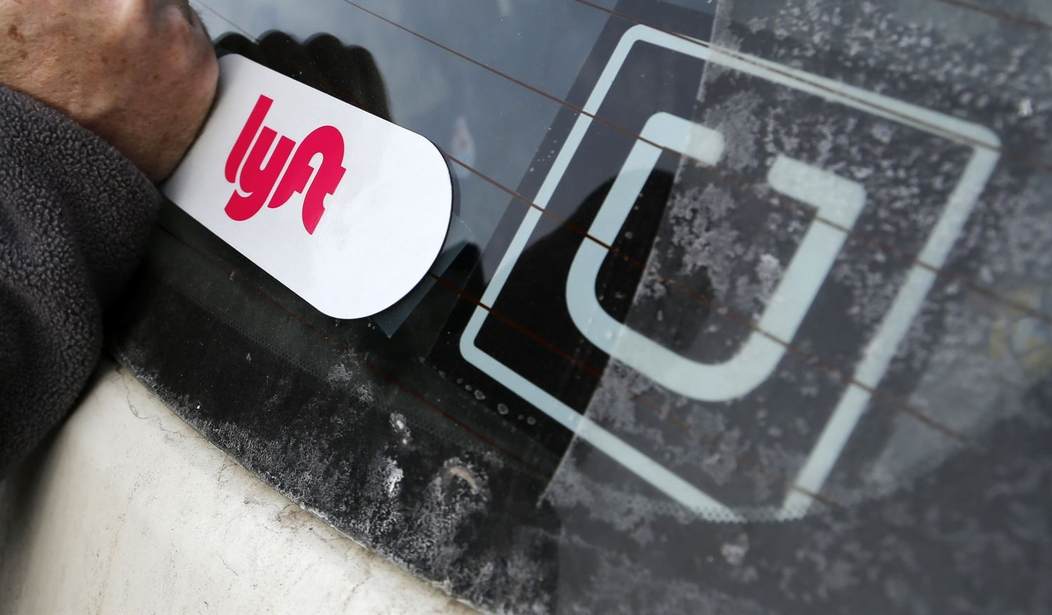
Citing "the sting of record-high prices at the pump," Uber recently announced that — starting Wednesday — "consumers will pay a surcharge of either $0.45 or $0.55 on each Uber trip and either $0.35 or $0.45 on each Uber Eats order, depending on their location—with 100% of that money going directly to workers’ pockets."
More from Uber's release:
The surcharges are based off the average trip distance and the increase in gas prices in each state. This is temporary for at least the next 60 days, when we’ll reassess.
We know that prices have been going up across the economy, so we’ve done our best to help drivers and couriers without placing too much additional burden on consumers. Over the coming weeks we plan to listen closely to feedback from consumers, couriers and drivers. We’ll also continue to track gas price movements to determine if we need to make additional changes.
Following Uber's announcement, Lyft also said that its customers would see a new fuel surcharge on their receipts as well, though they haven't released additional information on how much more riders would be paying. According to CNBC:
Lyft said the fees will go to drivers, who are in charge of filling up their own tanks. The company did not provide further details on how much more riders can expect to pay. But rideshare drivers have become upset with the rising gas prices, which take away from their earnings. Some have called on Uber and Lyft to ease the burden, while others have threatened to quit.
As of Tuesday morning, the national average cost for a gallon of regular unleaded stood at $4.316, down slighly from the $4.331/gallon all-time high record set on March 11. But prices today are still up dramatically from where they were one year ago at $2.864/gallon.
Meanwhile, President Biden continues to falter in response to skyrocketing energy costs amid four decade-high inflation, most recently finding that the leaders of oil-rich nations won't even pick up the phone to hear his case for why more oil should be put into the global market.
As Senator Ted Cruz (R-TX) pointed out, the new fuel surcharges being rolled out in response to record-high gas might be more aptly named "Biden surge pricing."
Biden surge pricing.
— Senator Ted Cruz (@SenTedCruz) March 14, 2022
https://t.co/Nrbj7001DP



Join the Conversation
VIP members get the ability to comment on articles.