


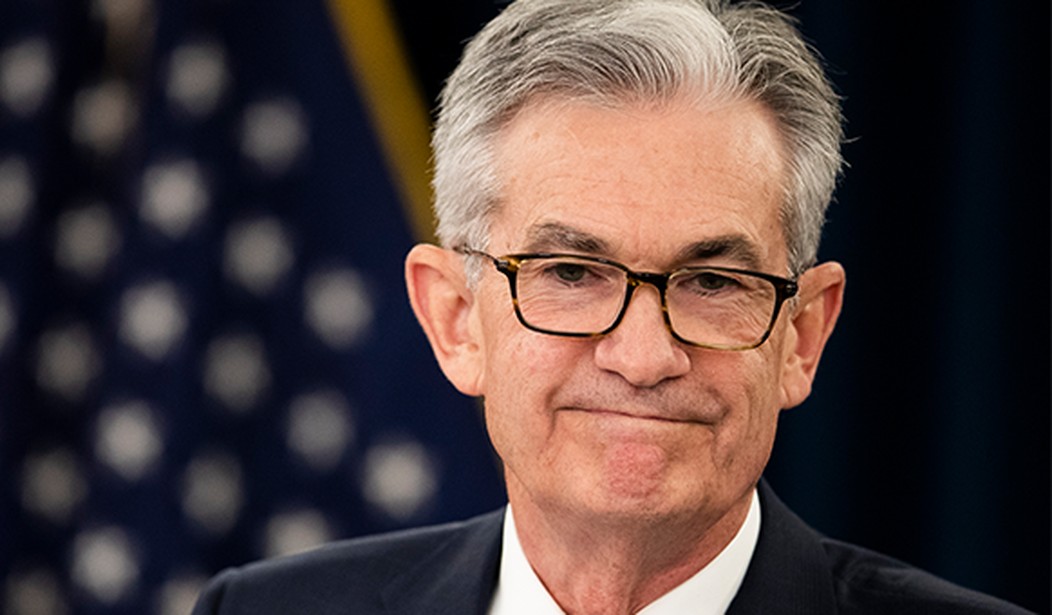
On Wednesday, the Federal Reserve increased its benchmark interest rate by half a percentage point, the largest since 2000, in response to 40-year record high inflation pressures.
In a statement released at 2 p.m., the Fed wrote that inflation, COVID-19 lockdowns in China, and Russia’s invasion into Ukraine have created economic hardship in the United States.
Although overall economic activity edged down in the first quarter, household spending and business fixed investment remained strong. Job gains have been robust in recent months, and the unemployment rate has declined substantially. Inflation remains elevated, reflecting supply and demand imbalances related to the pandemic, higher energy prices, and broader price pressures.
The invasion of Ukraine by Russia is causing tremendous human and economic hardship. The implications for the U.S. economy are highly uncertain. The invasion and related events are creating additional upward pressure on inflation and are likely to weigh on economic activity. In addition, COVID-related lockdowns in China are likely to exacerbate supply chain disruptions. The Committee is highly attentive to inflation risks.
CNBC reported that Fed Chairman Jerome Powell said during a news conference that he wanted to “directly address the American people” and that “inflation is much too high and we understand the hardship it is causing.”

“We’re moving expeditiously to bring it back down,” he added. “We’re strongly committed to restoring price stability.”
Collin Martin, a fixed income strategist at Charles Schwab told CNBC that he thinks “inflation is close to peaking” and after it will give “the Fed a little leeway to slow down on such an aggressive pace.”
Spencer reported last month that the Biden administration attempted to blame Russia for the current state of the U.S. economy. In remarks, Biden referred to inflation as “Putin’s price hike.” However, data released shortly after showed that the rate of inflation since Biden took office doesn’t take Putin’s invasion into account.








Join the conversation as a VIP Member