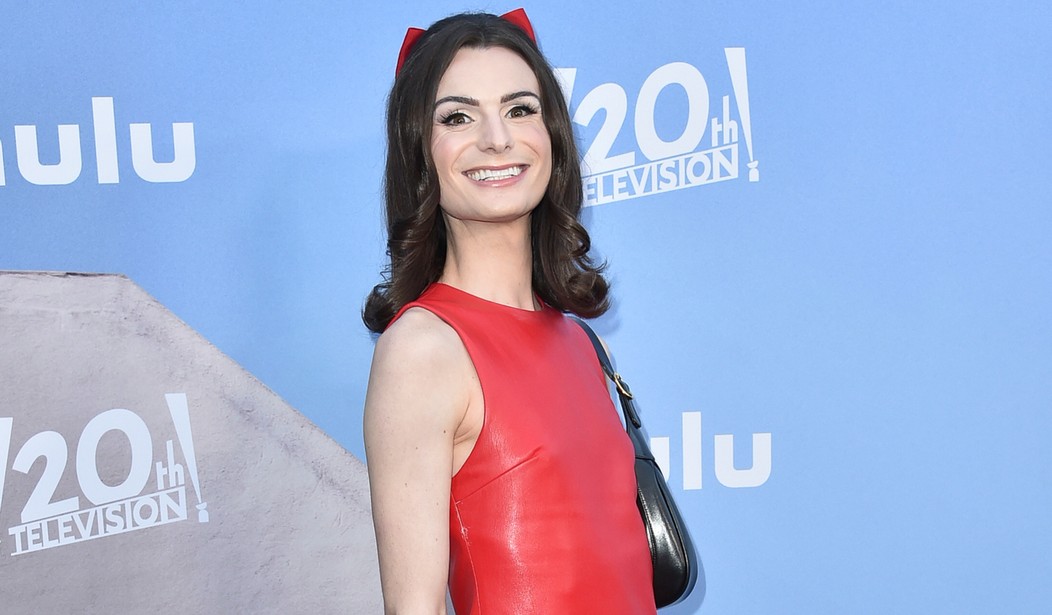

Bud Light's controversial decision to partner with transgender activist Dylan Mulvaney to "authentically connect with audiences across various demographics and passion points" has prompted widespread calls among conservatives to boycott. But it's not just Anheuser-Busch that's catching flak. Mulvaney's partnerships with a number of other high-profile brands are also drawing scrutiny.
The trans influencer recently promoted Nike's sportswear for women, including its Zenvy leggings and Alate sports bra.
Again, conservatives said the partnership was an affront to real women and called for boycotts.
Nike is the latest major brand to attack real women by hiring Dylan Mulvaney to advertise their products. No sane person should give them money after this. If we won’t demand companies stop mocking our wives and daughters then we’re weaker than I thought and deserve what we get. pic.twitter.com/j2qUQ5c3qN
— Robby Starbuck (@robbystarbuck) April 5, 2023
And the list goes on. Kate Spade, Olay, Crest, KitchenAid, Walmart, Ole Henriksen, you get the point. He seems to be one of the most sought-after influencers of the day, with some industry experts estimating Mulvaney is bringing in between $50,000-$80,000 per post with these companies.
So what's with the mad dash to have Mulvaney become a brand ambassador? It's all about the companies' Corporate Equality Index score, a ranking overseen by a major LGBT+ lobbying group, the Human Rights Campaign.
Businesses that meet the criteria and earn a maximum of 100 index points are awarded with a 'Best Place to Work for LGBTQ Equality' title - which 15 of the top 20 Fortune ranked corporations achieved, according to the HRC.
Among the top corporations to receive a CEI score of 100 in 2022 were Walmart, Amazon, Apple and Google.
To earn favor from the HRC, which has deep ties to George Soros' Open Society Foundation, big brands are judged based on four criterion that can make or break their CEI score.
'Workforce Protections', 'Inclusive Benefits', 'Supporting and Inclusive Culture', and 'Corporate Social Responsibility and Responsible Citizenship' are all used to determine how a company compares on the all-important ranking.
And if a company drops CEI points, it can mean losing a seat at the table.
The CEI falls under umbrella entity ESG, stood for 'Environmental, Social and Corporate Governance', and its 'ethical investing' movement, which funds ideological projects including those that phase out fossil fuels, promote unionization, and maintain racial and gender equality hiring quotas.
If a company loses CEI points, which can be due to issues such as failing to meet 'integration of intersectionality in professional development, skills-based or other training', their stakeholders can see the effects in their financial returns.
For profit-driven entities, losing conservative customers by pushing woke advertising and making figures like Mulvaney the public face of the company is a small price to pay compared to the alternative. [...]
One of the key players in the dynamic is BlackRock CEO Larry Fink, one of the top shareholders in major companies including Nike and Anheuser-Busch who oversees assets worth $8.6 trillion.
Fink, who has been dubbed 'the face of ESG', showed his hand in 2018 in a notorious letter to top CEOs titled 'A Sense of Purpose', which threatened to demote those who didn't fall in line.
Arguing that companies need to serve a 'social purpose', Fink said: 'To prosper over time, every company must not only deliver financial performance, but also show how it makes a positive contribution to society.'
'If a company doesn't engage with the community and have a sense of purpose, it will ultimately lose the license to operate from key stakeholders,' he warned. (Daily Mail)
In other words, despite boycotts, companies like Anheuser-Busch will likely put up with the blowback to partnerships with Mulvaney and other controversial figures.
In addition to the importance of the CEI Index to these companies, British influencer Oli London, who de-transitioned back to being a man, explained other factors:
"[Mulvaney] has the top Hollywood Agency, CAA, which normally only works with A-List Celebrities- so they have access to working with all the biggest brands and relationships with top execs at every major brand- so it's easy for them to get brand partnerships for their talent."
Additionally, since Mulvaney is promoted heavily by TikTok, brands are eager to capitalize on his extensive reach.
"While being Transgender has become the latest trend, gender clinics and stakeholders who profit from transitioning young people want to normalize transitioning, so they use people like Dylan as a pawn in their game and lobby companies to be more 'inclusive,'" the influencer said. "The more we see trans people everywhere, the more likely kids will want to become like them."
#BoycottOlay Why is Dylan Mulvaney now the face of so many major corporations all of a sudden?
— Oli London (@OliLondonTV) April 10, 2023
Let me explain:
• Fortune 500 Companies have the CEI Index- Corporate Equality Index- which pushes companies to go woke and push trans models in order to improve their CEI score.… pic.twitter.com/ph9pTuWg90