





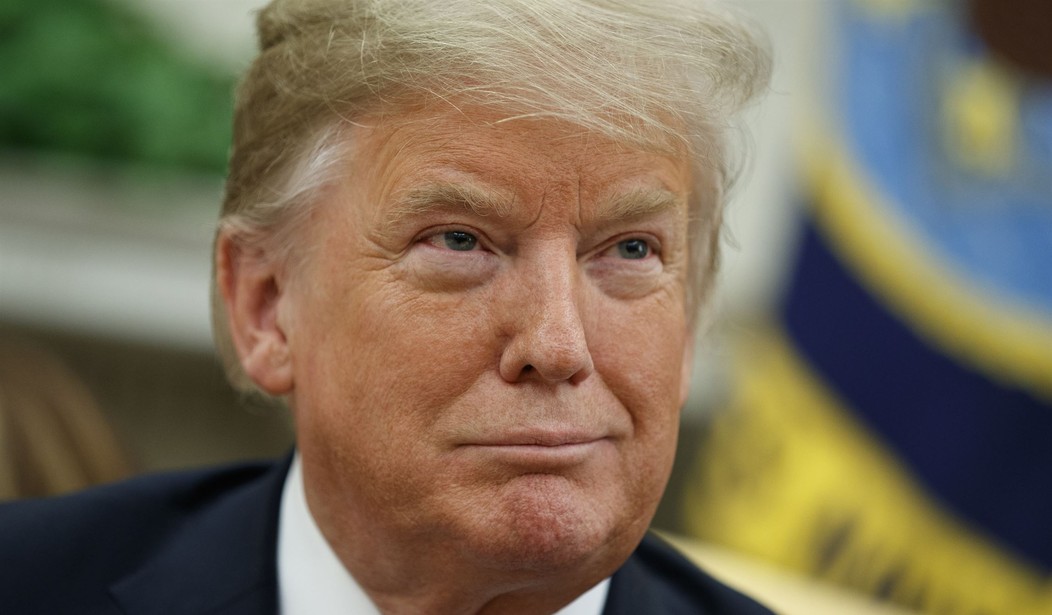
President Trump said Tuesday he will veto the National Defense Authorization Act unless Congress terminates Section 230 of the 1996 Communications Decency Act, which offers legal protections to social media giants.
“Section 230, which is a liability shielding gift from the U.S. to “Big Tech” (the only companies in America that have it—corporate welfare!), is a serious threat to our National Security & Election Integrity. Our Country can never be safe & secure if we allow it to stand,” Trump tweeted. “Therefore, if the very dangerous & unfair Section 230 is not completely terminated as part of the National Defense Authorization Act (NDAA), I will be forced to unequivocally VETO the Bill when sent to the very beautiful Resolute desk. Take back America NOW. Thank you!”
.....Therefore, if the very dangerous & unfair Section 230 is not completely terminated as part of the National Defense Authorization Act (NDAA), I will be forced to unequivocally VETO the Bill when sent to the very beautiful Resolute desk. Take back America NOW. Thank you!
— Donald J. Trump (@realDonaldTrump) December 2, 2020
While critics have long argued that Twitter, Facebook, and other social media sites target conservatives, those accusations became clear to see in the way the tech giants censored the Hunter Biden story in the weeks leading up to the election, which Sen. Ted Cruz said amounted to “election interference.” They believe if these companies are behaving like publishers they should no longer enjoy the legal protections of Section 230, which shields them from being held liable for content published on their platforms.
The Department of Justice sent a letter to congressional leaders in October expressing an openness to change Section 230.
"The Department of Justice (Department) is encouraged by the emerging consensus in each branch of government and many parts of the private sector that the time has come to reform Section 230 of the Communications Decency Act of 1996," Assistant Attorney General Stephen E. Boyd wrote in the letter. "Today’s large online platforms hold tremendous power over the information and views available to the American people. It is therefore critical that they be honest and transparent with users about how they use that power."
During a Senate Commerce Committee hearing in October, the CEOs of Twitter, Facebook, and Alphabet, Google's parent company, all spoke about the importance of Section 230 to the work they do.
"Section 230 is the Internet’s most important law for free speech and safety," Twitter CEO Jack Dorsey said. "Weakening Section 230 protections will remove critical speech from the Internet."
Join the Conversation
VIP members get the ability to comment on articles.