







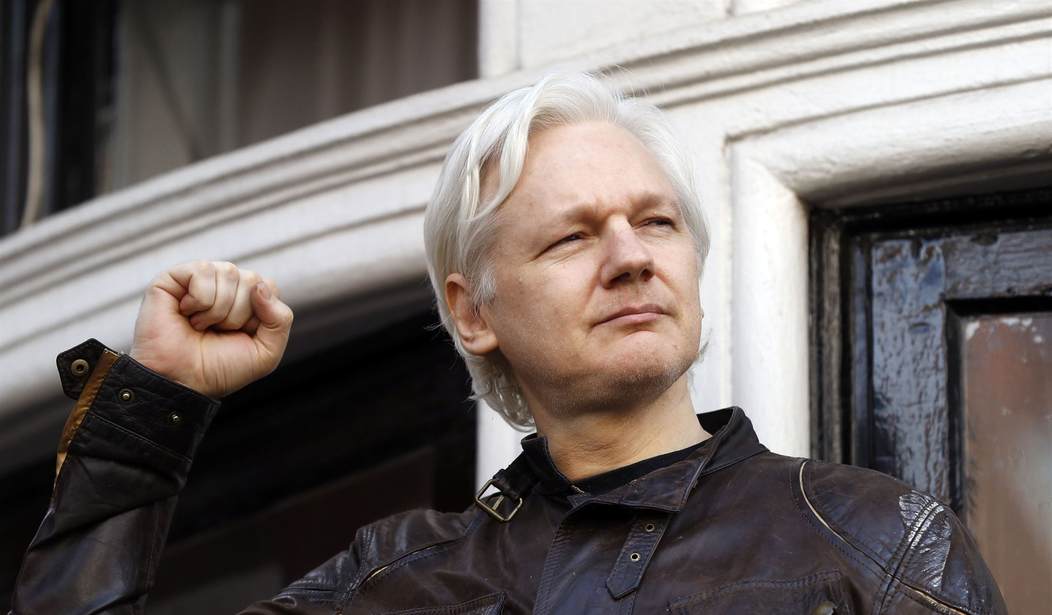
The U.K.'s Supreme Court on Monday denied Wikileaks founder Julian Assange the opportunity to appeal his extradition to the U.S., where he could face 175 years in prison on espionage charges for publishing classified documents exposing alleged U.S. war crimes.
The court rejected the request to appeal on the basis that the application "does not raise an arguable point of law."
The case will now go to Home Secretary Priti Patel, who will then decide whether or not to authorize Assange's extradition to the U.S.
Assange's U.S.-based lawyer, Barry Pollack, said in a statement that it is "extremely disappointing" that Britain's High Court is refused to hear the appeal.
"Mr. Assange will continue the legal process fighting his extradition to the United States to face criminal charges for publishing truthful and newsworthy information," he said.
The WikiLeaks founder has attempted to avoid a trial in the U.S. regarding the publication of classified documents published more than a decade ago.
A British district court judge had initially denied a U.S. extradition request because Assange was likely to commit suicide in harsh U.S. prison conditions. But the U.S. government later provided assurances to the court that he would not face treatment that his lawyers claimed would pose a risk to his physical and mental health.
In December, an appellate court in the U.K. ruled that Assange could be extradited to the U.S., overturning an earlier decision from a lower court that ruled in favor of blocking his extradition.
Assange is accused of publishing documents to Wikileaks detailing alleged crimes committed by the U.S. government in the Guantanamo Bay detention camp, Iraq and Afghanistan, and reveals instances in which the CIA engaged in torture and rendition. The documents were leaked to Wikileaks by whistleblower Chelsea Manning.
The CIA has reportedly had plans in the past to kill Assange over the publication of sensitive CIA hacking tools, known as "Vault 7." The agency concluded that Wikileaks publishing these tools represented "the largest data loss in CIA history."
A bombshell report from September revealed that, in 2017, the CIA had discussions "at the highest levels" of the administration over plans to assassinate Assange in London. The Wikileaks founder was residing in Ecuador's embassy in London at the time in order to avoid extradition to Sweden for allegations of sexual assault.
The report also found that kill "sketches" and "options" had been drawn up following orders from then-CIA director Mike Pompeo. The investigation further noted advanced plans to kidnap and rendition Assange and that the CIA made a political decision to charge him.
The 50-year-old Assange has been held at London's high-security Belmarsh Prison since 2019 after being arrested for skipping bail as part of another legal battle.
Assange has also previously been accused of damaging Hillary Clinton's 2016 presidential chances when Wikileaks published internal communications taken from the Democratic National Committee and the Clinton presidential campaign.

Join the Conversation
VIP members get the ability to comment on articles.