





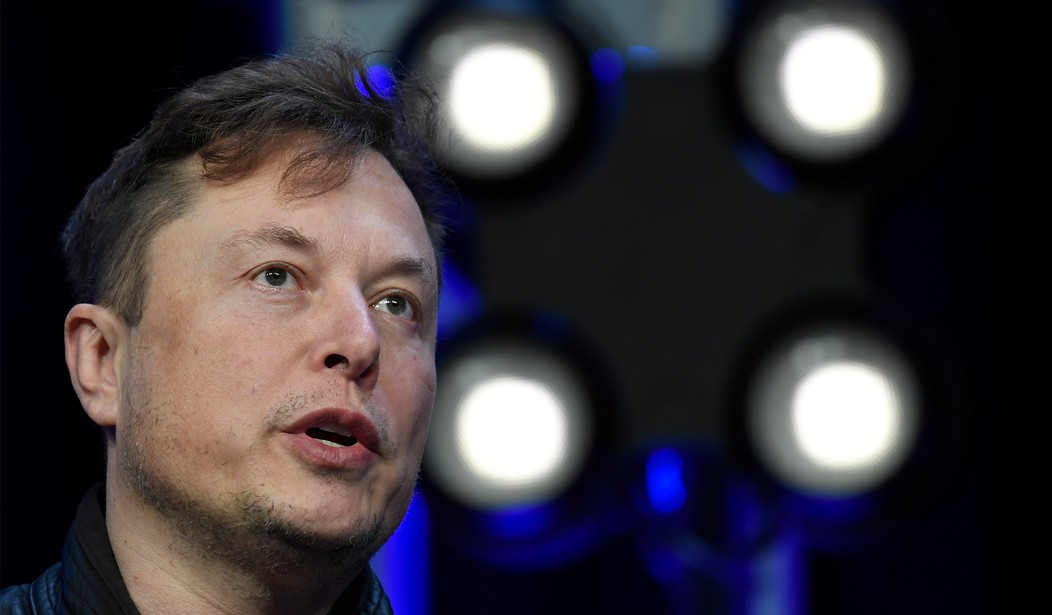
Twitter CEO Elon Musk's interview with BBC North America tech reporter James Clayton became a little heated when Musk pressed Clayton for evidence of more hateful content being posted on the platform after the billionaire took over.
Clayton said he had seen a slight rise in hateful tweets on the "For You" page. Musk followed up by asking Clayton to name a specific example, which Clayton could not.
"You see more hate speech personally?" Musk asked.
"I would see more hateful content in that," Clayton replied.
"That's why I'm asking for examples. Can you name one example?" Musk continued to ask.
"Honestly, I don't...Honestly...I don't actually use that 'For You' feed anymore because I don't particularly like it, and a lot of people are quite similar," said Clayton.
"Well, hang on a second; you said you've seen more hateful content, but you can't name a single example? Not even one?" Musk pressed. "I'm asking for one example. I say, sir, that you don't know what you're talking about. Because you can't name a specific example of hateful content, not even one tweet. And yet, you claimed that the hateful content was high. That's false; you just lied."
Clayton then said what he actually meant to say was organizations who track that type of content say hateful tweets are on the rise. Musk kept asking for examples, but Clayton could not name one.
Clayton then wanted to move on to the topic of COVID-19 misinformation by asking Musk why he removed the label used by Twitter to censor tweets about COVID-19 and the vaccines.
"Has BBC changed its COVID misinformation?" Musk asked. "Does the BBC hold itself at all responsible for misinformation regarding masking and side effects of vaccinations? And not reporting on that at all? And what about the fact the BBC was put under pressure by the British government to change the editorial policy, are you aware of that?"
Clayton replied the interview was not about the BBC and he does not set the editorial policy.
WATCH: The moment @elonmusk confronts @BBC reporter @JamesClayton5 for not being able to provide a single example of hate speech he has witnessed on Twitter.
— Censored Men (@CensoredMen) April 12, 2023
-
Elon also points out the BBC’s double standards regarding Covid misinformation. pic.twitter.com/EBRCcOrTP4

Join the Conversation
VIP members get the ability to comment on articles.