
Illinois is becoming a key battleground state in the growing debate over “surveillance pricing” as lawmakers move to ban companies from using personal data and artificial intelligence to covertly charge different people different prices.
Federal regulators and Congress have also launched their own investigations into the controversial practice.
NBC News reported that the Federal Trade Commission last year opened a wide-ranging investigation into the practice, which enables companies to “impose higher charges on consumers” by exploiting sensitive information.
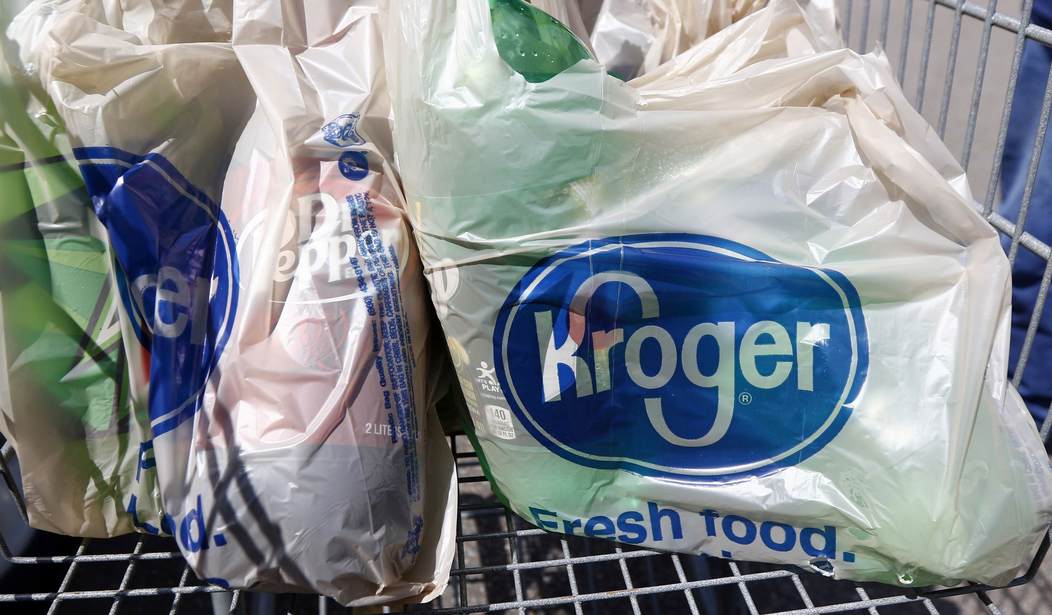
Companies use the practice in grocery stores. But it has now spread to airlines and travel platforms.
Many Washington Post readers have been notified via email that their subscription rates are set to increase. Nestled at the bottom of these emails, you’ll find an asterisk and the following: “This price was set by an algorithm using your personal data.” https://t.co/YD8FHgQla3
— Washingtonian 🌸 (@washingtonian) March 13, 2026
Surveillance pricing is a form of personalized pricing that involves data and algorithms. In essence, companies gather personal data on consumers, such as online search history, information regarding family structure, health conditions, and income. Then they charge different prices to different individuals based on this information.
The FTC’s inquiry is focused on how artificial intelligence is used to "swiftly adjust prices based on data regarding consumer behavior and attributes,” according to CNBC. The agency ordered eight companies, including Mastercard and JPMorgan Chase, to turn over information on the data they use, the clients they serve, and how these tools affect how they set prices for certain customers.
The cost of your flight went up because you searched for it twice. Your rideshare costs more because your phone battery is dying.
— Mallory McMorrow (@MalloryMcMorrow) March 27, 2026
This is surveillance pricing – corporations using your own data and behaviors against you.
In the US Senate, I’ve got a plan to ban it. pic.twitter.com/xCRDZmmpIX
Illinois lawmakers are considering a measure that would directly ban surveillance pricing. The bill, called the Surveillance-Based Price and Wage Discrimination Act, would bar companies from using the practice to impose different pricing on customers based on data they collect.
Economic Security Illinois Action said the bill “would ban surveillance pricing in Illinois and protect working families from being secretly charged different prices based on their personal data.”
Corporations want to steal your personal data to price gouge you for groceries!
— Robert Peters (@RobertJPeters) March 2, 2026
That’s why I’m standing with workers and a powerful coalition to introduce the Surveillance-Based Price Discrimination Act (SB2255) to STOP tech companies from shady price gouging practices. pic.twitter.com/Z48CcS4yDH
The Illinois bill is part of a wider crackdown that is occurring in several states — and the federal government. FTC Chair Lina Khan cautioned that companies could be using “this extensive personal data to impose higher charges on consumers.”
State officials in California and New York are also looking into the practice and considering legislation to ban it.