





A lawsuit challenging Department of Government Efficiency’s (DOGE) efforts to access federal data as part of its mission to root out government inefficiencies might not go as planned.
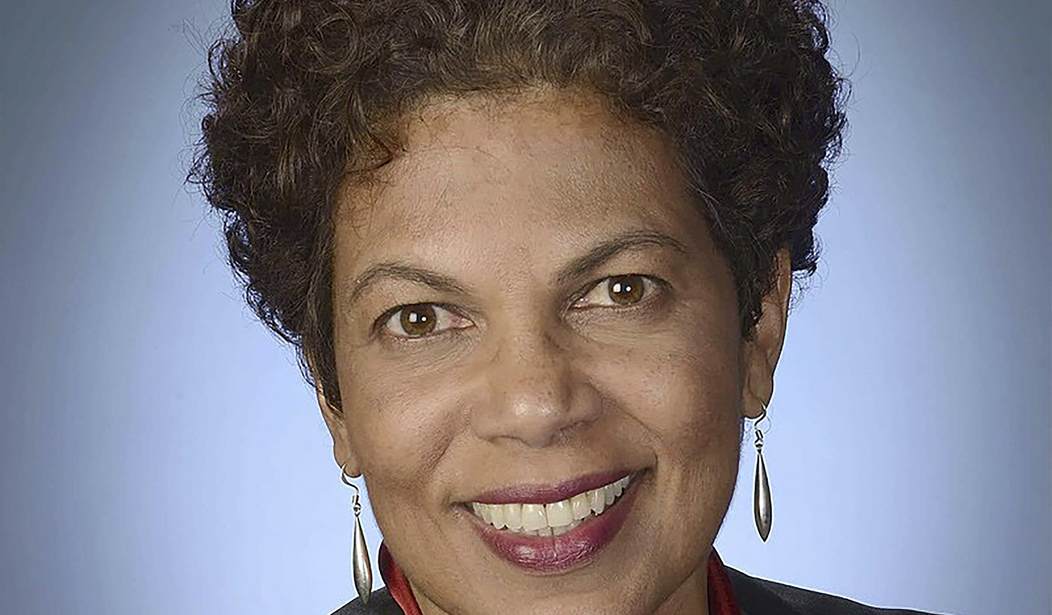
Federal judge Tanya Chutkan has reportedly refused to place a restraining order on the department after expressing skepticism about the lawsuit against the agency.
🚨🚨🚨Breaking NewsJudge Tanya Chutkin has REFUSED to block Elon Musk and @DOGE from accessing personal data. BOOM baby! 🚨🚨🚨pic.twitter.com/TGRKUloy9E
— Savannah (@BasedSavannah) February 17, 2025
New Mexico led 13 other states in filing a lawsuit against the Trump administration, arguing that Elon Musk, who heads the DOGE initiative, has an unconstitutional level of power in the executive branch. They requested that the court bar Musk from being able to cancel government contracts or fire employees.
The legal complaint contends that Musk has exercised sweeping executive powers despite not being confirmed by the Senate. They argue that this violates the Appointments Clause of the U.S. Constitution, which requires high-profile federal positions to go through the Senate approval process.
The plaintiffs argue that Musk’s actions with DOGE have caused “mass chaos and confusion for state and local governments, federal employees, and the American people.”
They further contend that President Donald Trump has conferred “virtually unchecked authority” to Musk and upgraded a minor position into one that grants significant power without congressional oversight. They characterized this move as “antithetical to the nation’s entire constitutional structure.”
The plaintiffs asked the court to intervene by enjoining Musk from issuing orders in the executive branch.
During a Monday hearing, Judge Chutkan, who also presided over Trump’s election interference case, noted that Musk “hasn’t been nominated, confirmed by Congress, or appointed to anything” while acknowledging the thrust of the plaintiffs’ arguments.
The judge expressed concerns about a supposed lack of transparency in how DOGE operates, saying it “appears to be moving in no sort of predictable and orderly fashion, and plaintiffs are obviously scrambling to find out what’s next.”
Yet, Chutkan pointed out that the states suing the administration are relying primarily on news reports regarding the problems with DOGE rather than actual sources. “The courts can’t act based on media reports. We can’t do that,” she said.
Justice Department attorney Joshua Gardner countered the plaintiffs’ arguments by noting that Musk has not fired any official. Instead, officials who have the authority to terminate employees are carrying out the firings. “There is not a single instance of Elon Musk in his own name or the [U.S. DOGE Service] commanding any of these actions at all,” he said.
Chutkan did indicate that she might be willing to impose a restraining order on DOGE if the plaintiffs provide more compelling evidence. "This is essentially a private citizen directing an organization that's not a federal agency that has access to the entire workings of the federal government to hire, fire, slash contracts, terminate programs, all without any congressional oversight," she argued.


Join the Conversation
VIP members get the ability to comment on articles.