





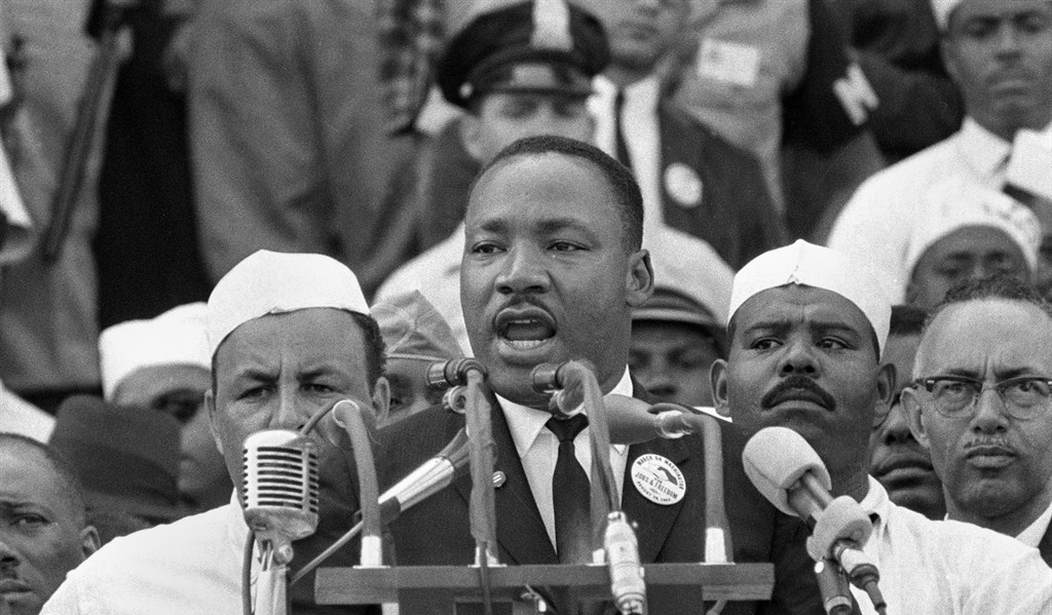
Tomorrow we will celebrate the fiftieth anniversary of Dr. Martin Luther King Jr’s “I Have a Dream” speech. Delivered on the National Mall on August 28, 1963, Dr. King argued that the promise of American citizenship (made possible by the Emancipation Proclamation and later enshrined in the U.S. Constitution by the 14th and 15th Amendments) had long been denied to black Americans. In fact, he said, he felt like “an exile in his own land” -- a man forced to raise his children in a nation that treated him and his family like second-class citizens. The speech was therefore his vision for a New America. And it changed history.
Of course, American race relations have improved dramatically since Dr. King proclaimed he had a dream, in no small part due to his persistent activism and martyrdom. But a question people are asking today is how far have we come under this president? Well, for many African-Americans, not nearly far enough (via ABC News):
Organizers say Obama's historic achievement will be celebrated as a fulfillment of part of King's vision of equality, coming five years to the day when Obama broke the race barrier in presidential politics, accepting the Democratic nomination in Denver.
Yet Obama's emerging legacy on the advancement of King's broader vision is more complicated, some black leaders concede, a mixed bag of achievements that has at times fallen short of the super-human expectations many African-Americans had when he first took office.
Only one in four African-Americans say the situation of black people has improved during Obama's tenure, according to a new Pew Research Center poll. One in five said things have gotten worse. Half of blacks say things are about the same now compared with five years ago, a view shared by as many whites surveyed in the poll.
The findings underscore the stubbornness of socio-economic disparities that have frustrated the African-American community and at times thwarted Obama's attempts to address it.
"What's disturbing is to see that even with a black president -- not necessarily his fault -- but there's still so many things that need to change in this country, we still have a long way to go," said Lynn French, a Washington, D.C., native who helped organize the 1963 march.
Recommended
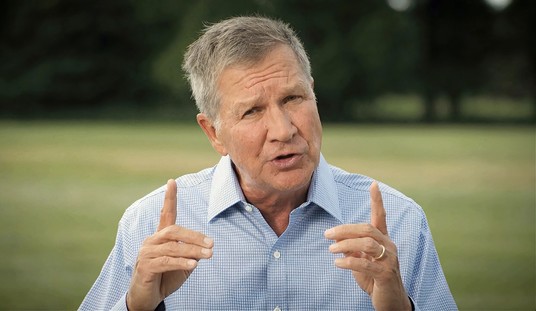
In fairness, electing the nation’s first African-American president isn’t going to magically fix crushing poverty or income inequality or high unemployment -- all problems disproportionately affecting black communities. These issues are systemic and cannot be cured in four or even eight years -- no matter who the president is. There is still so much work to be done. But what cannot be ignored (although, sadly, it too often is) is that illegitimacy rates have soared to new heights generally but especially in black neighborhoods, a point columnist George F. Will reiterated (and was criticized for) over the weekend (via Mediate):
“That to which you refer were foreshadowed by something eight months after the march...A young social scientist from Harvard working in the Labor Department published a report. His name was Daniel Patrick Moynahan. He said, ‘There is a crisis in the African American community, because 24% of African American children are born to unmarried women. Today it’s tripled to 72%. And that, not an absence of rights, is surely the biggest impediment.”
Conservatives have long argued that the breakdown of the family makes it more difficult for any child to succeed. I agree. But civil rights activists still have a point: Inequality is a real problem. And finding a meaningful solution, obviously, is going to be a lot harder than merely electing a black president.






Join the conversation as a VIP Member