
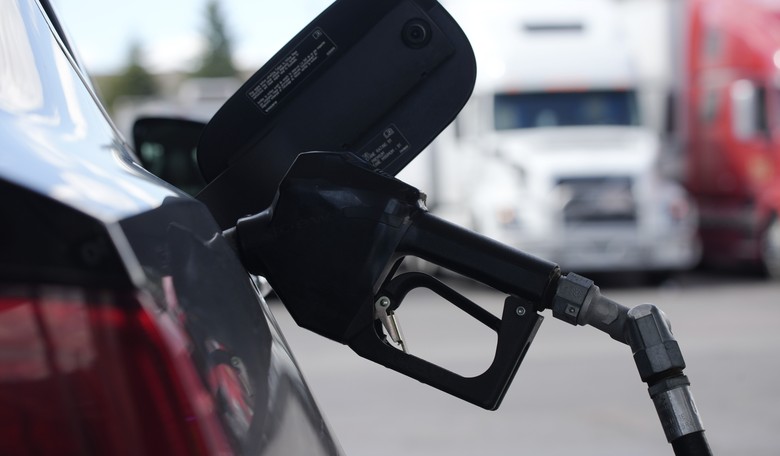
We've all seen gas prices at the pump fluctuate in recent years, and energy prices are a major driver of the Consumer Price Index (CPI). In June, consumer prices rose 4.2 percent from a year earlier in May and the CPI increased 0.5 percent during the month. Energy accounted for more than 60 percent of the overall increase.
One of the biggest ways to help lower our energy costs, shore up our energy security and regain more control of our economy is to focus on domestic energy policy. Recent polling shows that 89 percent of voters agree the U.S. should produce more domestic energy to help lower prices and control more of our economy. An additional 78 percent of voters support more domestic oil production and refinery reform.
The U.S. Energy Information Administration (EIA) says gasoline prices generally track with crude oil prices, while refinery capacity can materially affect regional prices. In January, the EIA predicted lower gas prices in 2026 and 2027 as crude oil prices fall, but it noted the continued decline of West Coast refinery capacity could contribute to "relatively higher gasoline margins and gasoline prices that are about equal to 2025, in nominal terms." The EIA also said the West Coast region typically has the highest gas prices in the country, a combination of refinery policies and taxes, and it expected that trend to continue into 2027, while the Gulf Coast region would maintain the lowest gasoline prices, followed by the Midwest.
The America First Policy Institute (AFPI) laid out a 10-point plan for Congress to help lower energy prices in June. That plan includes codifying the repeal of the 2024 Mercury and Air Toxics Standards (MATS) amendments, clarifying that Clean Air Act Section 111 does not cover greenhouse gases, and creating a federal reliability safe harbor for at-risk coal and gas units to keep critical base load plants operational.
The key point in this plan involves reforming the Jones Act to reduce costs for shipping oil and refined products. The Jones Act is a federal statute requires all goods transported by water between U.S. ports to be carried on U.S.-built, flagged, and owned ships that are primarily crewed by U.S. citizens or permanent residents. By giving targeted waivers or reforming the Jones Act restrictions on domestic energy shipping, excessive transportation costs can be cut and the prices of gasoline, diesel, and natural gas can be lowered nationwide.
The White House announced yesterday that President Trump has secured major deals to help unleash American energy and cut gas prices.
— The White House (@WhiteHouse) October 25, 2026
Among these deals are the utilization of the Defense Production Act to invest in increasing refinery capacity and produce more diesel and gasoline, a deal with Venezuela to secure 65 billion barrels of oil to double our reserves and increase our oil supply, an executive order to cut diesel costs for American truckers and farmers, and deals with numerous nations to release 130 million barrels of oil. He also secured a $54 billion deal with Korea and Taiwan to build a natural gas pipeline in Alaska, cutting Alaskans' energy costs by $10 billion. The administration has also provided a record number of Small Refinery Exemptions to help lower gas costs for everyday Americans.
The thing that's important to note here is that more drilling, while helpful for energy independence and security issues, does not guarantee an immediate reduction of prices at your local gas station. Oil is priced globally. But stronger domestic production and increased refining capacity can give the U.S. greater supply resilience and reduce exposure to foreign disruptions.
The good news is Congress and the Trump administration have a road map to long-term energy security and lower gas prices, and the Trump administration has already taken the steps needed to give Americans long-term relief at the pump and our nation greater supply resilience and more control of our economy.