




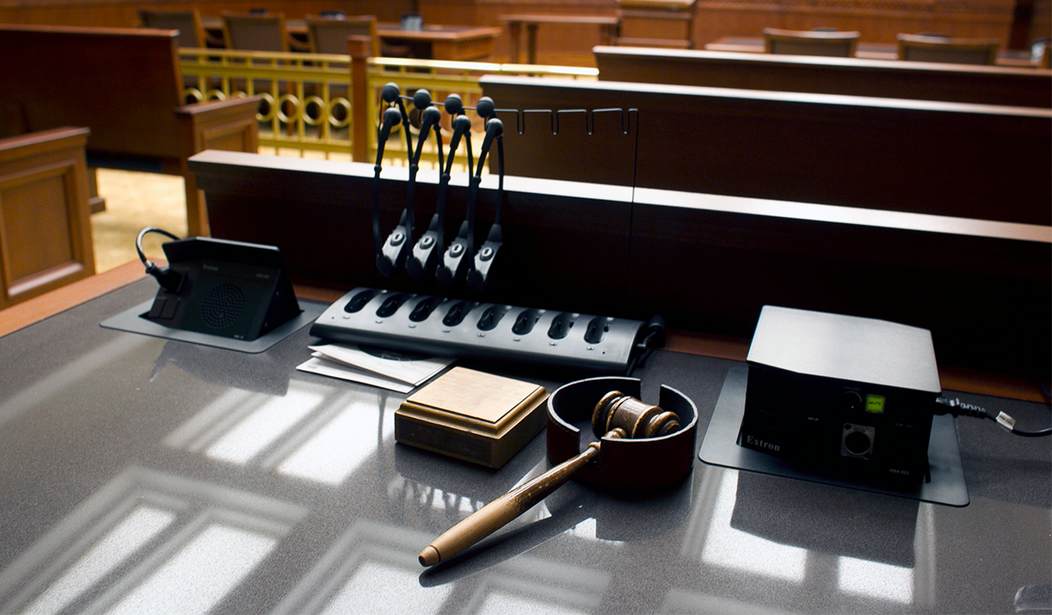
Last month in Harris County, Texas, District Judge Nathan Milliron went viral for a courtroom meltdown that should make any fair-minded person cringe. An IT technician was simply trying to fix an audio glitch when Milliron erupted, swearing at the employee, barking “get out of my courtroom,” and demanding to know the name of the beleaguered staffer’s supervisor.
Houston attorneys and people around the world immediately called out the judge’s abusive tone, blasphemy, and profanity. The clip spread rapidly, sparking widespread criticism. Milliron’s outburst wasn’t an isolated lapse; he had abused people in court before.
And when a local attorney emailed him to encourage an apology, the judge unlawfully ordered the lawyer into court. Judges simply don’t have that power.
These incidents are public demonstrations of a judge who has lost control of himself and his courtroom. When defendants or lawyers misbehave, they can be held in contempt of court. But what to do when it’s the judge who’s contemptible?
I’ve appeared before dozens of judges in four states, sat as a part-time magistrate and acting judge, and advised judges and state supreme court justices on ethics and professionalism issues. From the bench and the bar, I’ve seen what works and what doesn’t.
In every case I’ve presided over, every person before me was “sir” or “ma’am” and everyone was allowed to keep talking about their case until they were done. My standard closing line is: “Is there anything else you want me to consider before I make a decision?”
Judges must be smart and wise, but they must also be courteous. That last quality isn’t optional window dressing: it’s the oxygen of a fair process.
A civil tone and moderate judicial temperament is required in Texas and all other states. The rule specifically says, “A judge shall be patient, dignified and courteous to litigants, jurors, witnesses, lawyers and others with whom the judge deals in an official capacity.”
Recommended

Watch the video yourself and tell me if Judge Milliron lived up to that standard. Like many of us, he’s annoyed with technology, but he allows his annoyance to bloom into boorishness and disrespect.
Your mother was right – treat people the way you want to be treated. Whether you’re wearing a black robe or not. What I learned presiding over thousands of cases is that the judicial version of the golden rule lets litigants, witnesses, and the public speak their minds. When a judge treats people with basic respect, even when ruling against them, the losing side walks away believing the system is fair. Strip away that courtesy, and the entire enterprise crumbles.
Rudeness from the bench is more than just low character -- it’s disqualifying. And it happens more than you might think.
Consider the case of Ohio Judge Pinkey Carr. The Ohio Supreme Court indefinitely and removed her from the bench after finding misconduct spanning more than 100 separate incidents. She mocked a public defender as a “little idiot” and jailed a defendant simply for rolling his eyes. In open court, she joked about accepting bribes, discussed a fictional strip club from a TV show with defendants and staff, and even suggested defendants could trade food, beverages, or storage space for leniency.
We’ve seen judicial tirades and tyranny like this across the nation, including Kentucky, California, Florida, Nevada, and Wisconsin. Judges throwing more tantrums than a tired toddler. They yell, curse, threaten, make rude jokes, and demean those in front of them.
Litigants don’t come to court for entertainment or denigration. They come seeking justice. When a black-robed figure curses and berates them, the message must sound like this: “Your concerns don’t matter here. Grovel to me or I’ll punish you.”
Arrogance coming from a judicial bench destroys legitimacy. The rule of law depends on the perception of fairness. Smart and wise judges know the law and apply it evenly. Courteous judges ensure every party comes away feeling heard. Lose the courtesy, and you lose the consent of the governed.
Judges gone wild must be tamed. Here in Texas, Judge Milliron should face the same accountability he demands from those in his courtroom. The State Commission on Judicial Conduct exists for exactly this moment. No commission can make a rude judge kinder, but it can make clear that abuse from the bench carries consequences.
Let’s all agree: no robe should shield a bully. And judges who can’t practice basic decency should lose the power to punish others.
Editor’s Note: Do you enjoy Townhall’s conservative reporting that takes on the radical left and woke media? Support our work so that we can continue to bring you the truth.
Join Townhall VIP and use promo code FIGHT to receive 60% off your membership.









Join the conversation as a VIP Member