





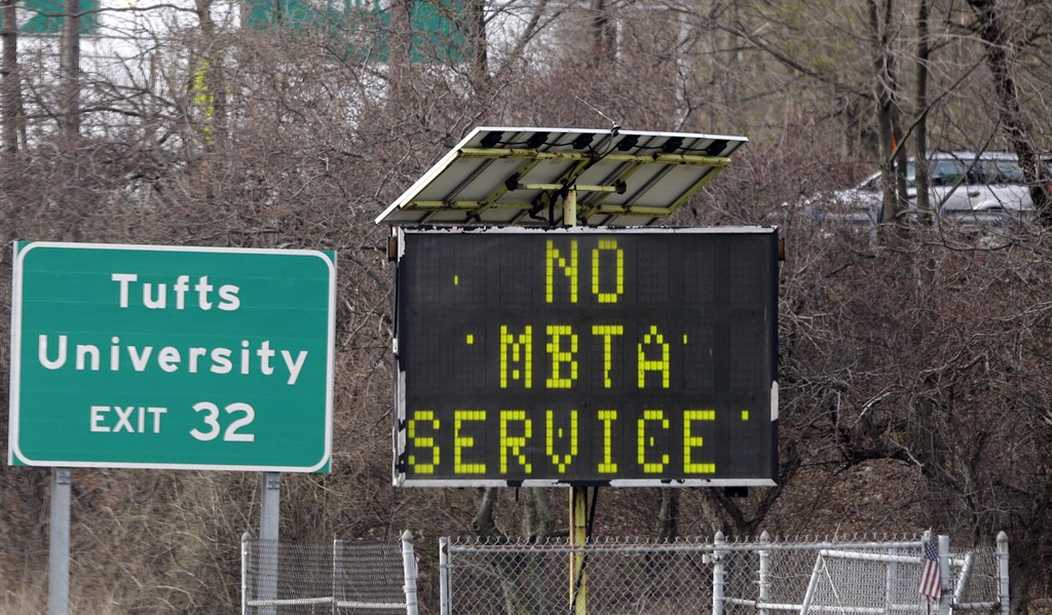
When the French transit company Keolis landed an eight-year contract in January 2014 to operate commuter rail for the Massachusetts Bay Transportation Authority, the deal was hailed by T general manager Beverly Scott for its stringent "no-excuses expectation that the operator will run the trains on time."
"No excuses" promptly became a catchphrase, invoked repeatedly over the past year whenever Keolis and its performance have been in the spotlight. A Nexis search yields dozens of news stories referring to the "no-excuses contract" the company signed. As commuter service all but collapsed under the crippling snowstorms that hit Greater Boston this winter, the state's new transportation secretary, Stephanie Pollack, bluntly insisted Keolis would be held to its tough performance benchmarks, despite the snowfall's historic proportions.
"While we understand the challenges that our operator, Keolis, faces in operating the system," she said at one press briefing, "they signed on to a no-excuses contract."
So the news that Keolis, citing the severe weather, has asked the MBTA to waive nearly $435,000 in penalties imposed on it for late or cancelled trains last month was greeted with predictable scorn — and chilly reminders of that "no-excuses" standard of service that the company had committed to deliver.
Governor Charlie Baker, who in mid-February snapped that he was "sort of done with excuses, OK?," said last week through a spokesman that Keolis should "focus its energy on restoring full service to the commuter rail," not on trying to avoid fines. A statement from the MBTA was equally dismissive of the no-fine plea, advising Keolis to get the trains moving, and to put off worrying about "technical matters" — like being hit with hundreds of thousands of dollars in penalties — for a "more appropriate time." In an editorial, the Boston Herald pronounced it "mind-boggling" that Keolis would ask for relief while commuters were still fuming over February's miseries, when only 35 percent of the trains were on time.
Wrong. Keolis is getting a bum rap.
The commuter rail contract truly is demanding, and Keolis — which took over the service just eight months ago — has already forked over $3.2 million in penalties to the T for falling short. It has dutifully taken its punishment for late-arriving trains, staffing shortages, and maintenance and cleanliness issues — as its contract stipulates. Unlike the Massachusetts Bay Commuter Railroad Company — the politically-wired corporation that used to have the commuter-rail contract — Keolis doesn't collect lavish bonuses for trains that arrive on time. It also faces much stiffer penalties for poor service — as much as $12 million annually, a fourfold increase over its predecessor.
But it did not enter into a categorical no-excuses deal, even if transportation officials have implied otherwise. The contract
Keolis has taken plenty of lumps for its missteps this winter. It has responded with a management shakeup and public apologies, including one in the form of a full-page newspaper ad acknowledging riders' anger.
But Keolis can't be blamed for blizzards, and it can't be blamed for invoking the "force majeure" clause in its contract that says so. Nor is the company behaving with unseemly haste in promptly raising the matter with the MBTA. That, too, is
Irritated passengers, sick of all the delays and inconvenience, may find it irresistible to lash out at the commuter rail operator, especially when they keep hearing that there was a "no-excuses" agreement. But public officials should know better than to encourage the scapegoating. By all means, hold Keolis to the high standards it signed on to — not to standards that no one could have met.



Join the Conversation
VIP members get the ability to comment on articles.