





This year, as we mark the 250th anniversary of our Declaration of Independence, there is much to celebrate and much for which to give thanks. A great deal of attention will be paid, and should be paid, to the historic events leading up to the Fourth of July and those associated with key developments during the Revolutionary War.
We should remember the Founders who courageously pledged their lives and fortunes and sacred honor to the uncertain cause of our liberty. We should remember our brave military, who overcame impossible odds and countless hardships to defeat the greatest power then on Earth.
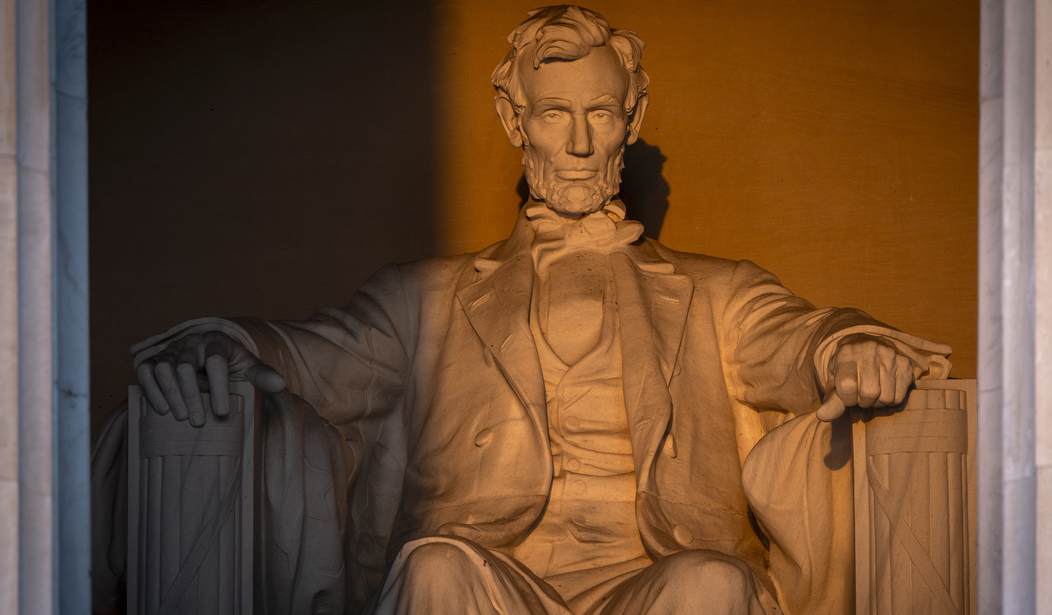
And we should also remember and give thanks for Abraham Lincoln, born this month in 1809. Though not himself a Founder in the strict sense of that term, Lincoln most certainly continued their work. He dedicated his presidency and ultimately sacrificed his life to save the Constitution that was enacted to secure the God-given rights affirmed in the Declaration – the Constitution that established the rule of law in our new republic; the Constitution that Frederick Douglass praised as the “charter of our liberties”; the Constitution that completed the founding of our new nation.
No one has understood and explained the crucially important relationship of the Declaration and Constitution more clearly than Abraham Lincoln. In notes composed while writing his First Inaugural Address in1861, he drew upon the Book of Proverbs to describe the Constitution in structural terms as a frame of silver surrounding the golden principles of liberty and equality affirmed in the Declaration.
The Declaration defines our national identity as one based upon a shared sacred humanity and commonly held unalienable rights. It defines the end purpose, the legitimizing purpose, of the government we created – to recognize, respect, and protect the God-given rights of the people. This animating purpose, Lincoln understood, is the “electric cord” that links “the hearts of patriotic and liberty loving men” together as citizens of one nation.
Just as the Declaration defines the end purpose of government, so the Constitution provides the means to that noble end. The Constitution is structured to establish a federal system of government with a central authority powerful enough to protect the unalienable rights of the people, but not so powerful that it threatens the rights of the people: a law-limited government of specifically enumerated powers carefully allocated to its three separate and distinct branches, with all powers not so specified reserved to the states and their sovereign citizens.
The Constitution was enacted to establish the rule of law and, by that, to protect the foundational principles of the Declaration. This is a vitally important role, but, as the means to the end, the Constitution’s great worth must be understood in relation to the Declaration – silver framing and protecting gold.
Lincoln did everything humanly possible to ensure that Americans understood the vital link between the Declaration and the Constitution, and the vital importance of both to our freedom. With unflagging efforts and unsurpassed eloquence, he rallied Americans to undertake the bloody struggle needed to advance the unfinished work of the Founders, to preserve the Constitution, and bring closer the day when the unfulfilled promise of the Declaration would become a reality for all of God’s children.
Lincoln understood and made clear the timeless truth that steadfast commitment to recovering the rights denied to some is the surest way to better securing the rights of all. He understood and made clear the timeless truth that advancement of the Founders’ unfinished work will always result in a new birth of freedom for the entire nation, and ensure that our government of the people, by the people, and for the people shall not perish from the Earth.
So, in this, our 250th year, let us remember Abraham Lincoln and give thanks for what he did to continue the work of the Founders. As we do so, let us humbly acknowledge our own solemn responsibility to continue that noble work to preserve the protective silver of the Constitution and further extend the golden promise of our Declaration of Independence.
J. Kennerly Davis served as Deputy Attorney General for the Commonwealth of Virginia.
Editor’s Note: Do you enjoy Townhall’s conservative reporting that takes on the radical left and woke media? Support our work so that we can continue to bring you the truth.
Join Townhall VIP and use promo code FIGHT to receive 60% off your membership.



Join the Conversation
VIP members get the ability to comment on articles.