
Under the Biden administration, we’re now called to lower our expectations.
Their goal is to desensitize Americans to pain emanating from their disastrous policies. And with a touch of gaslighting, too.
Supply-chain disruptions? That’s on your glutinous habits and capitalism's excesses, you affluent rubes! Underwhelming job reports month-after-month? C’mon man, “Build Back Better” is working great! Growing bipartisan disapproval for the administration’s crises? The media is misrepresenting the truth!
I have no desire to accept decline nor do I plan to “consciously” lower expectations for myself. Neither should you.
This is America. We always aspire for greatness— not mediocrity.
Media to Americans: Lower Your Expectations
“The World Is Still Short of Everything. Get Used to It,” read a recent New York Times headline.
The Atlantic’s Amanda Mull blamed “affluent” Americans for supply-chain disruptions:
But that spending is not distributed equally. In a typical year, the most affluent 20 percent of people account for nearly 40 percent of the country’s consumer spending, and this wealthier group’s purchases are disproportionately discretionary.
The Washington Post tweeted, “Don’t rant about short-staffed stores and supply chain woes. Try to lower expectations.”
"Time for some new, more realistic expectations," WaPo columnist Micheline Maynard added. "American consumers, their expectations pampered and catered to for decades, are not accustomed to inconvenience."
Vox wants us to consciously “buy less stuff” to mitigate the so-called looming climate crisis:
Meanwhile, the growing severity of climate disasters threatens to impact how we produce, source, and ship these goods, raw materials, and the food we eat. Product shortages and delays, it seems, are the new normal. At the end of this logistic maze is the shopper, whose buying tendencies are cultivated and incentivized from a young age. The entire consumer enterprise could be summed up in one Ariana Grande lyric: “I see it, I like it, I want it, I got it.”
If these supply chain problems are expected to persist, however, we must be prepared to curb our shopping habits. Conscious or decreased consumption might not move the needle much on climate change or improve the exploitative working conditions faced by those who produce and ship our goods, but that doesn’t mean we have to be trapped in a cycle of thoughtless buying. The alternative isn’t a moral neutral. Must we continue to drown in our unlimited and unfettered need for more stuff, or could we start buying less?
Of course, columnists pleading with us to “lower expectations'' have nothing to lose. Why? They didn’t get displaced from the workforce these last 18 months. They’re sitting pretty and sneering at us plebs who fail to worship at the altar of Biden-Harris.
Lowered Expectations Lead to Low Morale and Despair
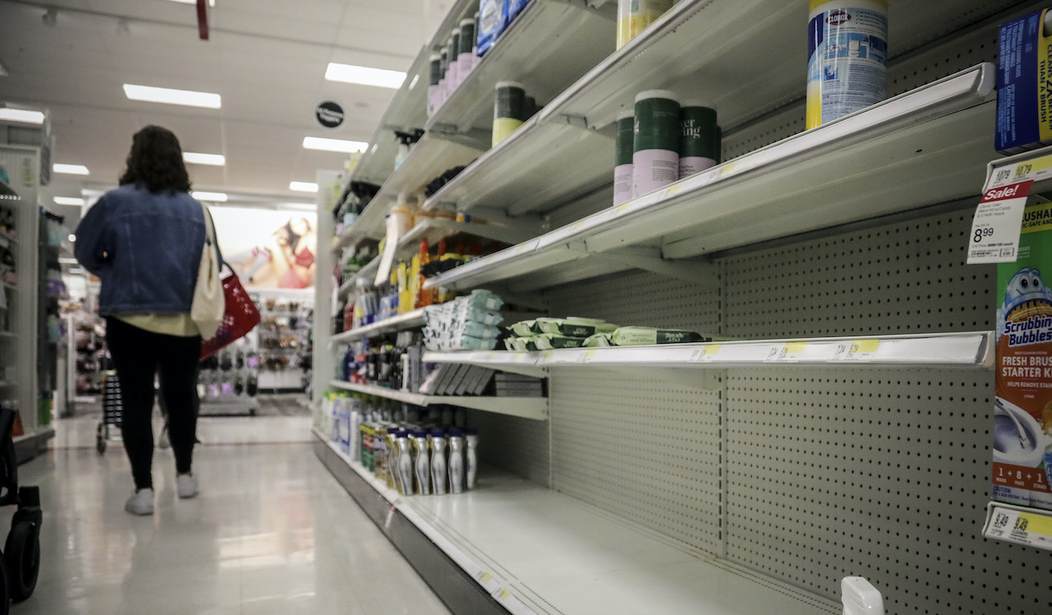
Imagine going to the grocery store and routinely seeing empty shelves. Imagine rationed healthcare and not having individual rights. Imagine waiting in line for bread and produce, only to be told you’re only permitted limited quantities.
That, in a nutshell, was the reality my family faced in the former Soviet Union. Lower expectations were the norm because the system there dictated such conditions.
As history shows collectivist societies perfect the art of low morale, despair, misery, and ultimately, death. Let’s hope a semblance of this is never witnessed here.
More close to home, however, is this: Imagine being told to not heat or cool your home amid an energy crisis. (Sounds familiar, right?) That happened in 1977 when then-President Jimmy Carter urged Americans to lower the thermostat to 65F during the day and lower at night. Why? He argued it would yield “great savings.” The New York Times added, “The newly-installed President expressed “great confidence” in the ability of the American people “to respond effectively to deal with this crisis and reduce consumption to manageable levels over the remainder of the winter.”
"By this action, great savings are possible," Carter said in 1977. "Without public conversation, there may not be enough energy to allocate."
It was unacceptable then. And what's being floated today, in wake of supply-chain shortages, is equally unacceptable now.
Accepting decline isn’t American. Far from it.
Americans Should Never Lower Their Expectations
In this country, we don’t lower our expectations because the government and media say so. We’re not programmed that way.
Want a fulfilling career? Personal happiness? A good friends group? A successful romantic relationship? A quality education? You— and only you—should set great expectations for yourself.
Americans should expect quality service from those who purport to represent us in government. If lawmakers fail at their jobs, the people should vote them out and replace them with better ones. This is a representative republic after all.
We’ve tolerated low expectations from politicians, media, and so-called trusted institutions for too long. That must change.