





I have been working to fix problems with the USA PATRIOT Act even before the ink dried on President George W. Bush’s signature when he signed the bill on October 26, 2001. On one occasion in May 2011, I appeared before a subcommittee of the House Judiciary Committee. In my testimony, I addressed how and when the USA PATRIOT Act enabled the federal government to engage in all manner of surreptitious electronic snooping on American citizens, in a manner neither intended nor authorized by the Congress when it drafted, debated and passed the legislation in the immediate aftermath of the 911 attacks.
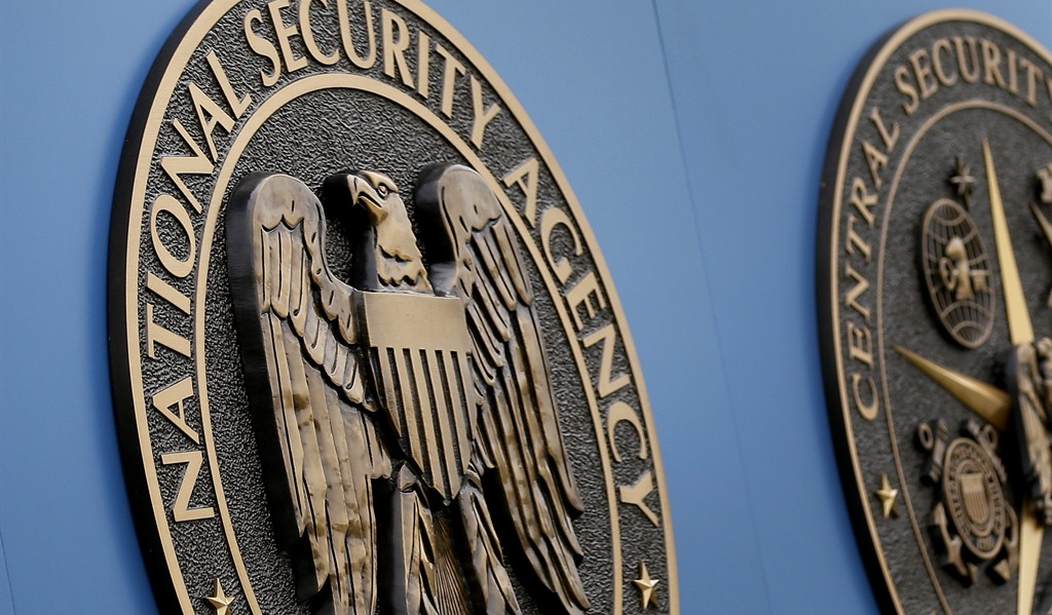
Even before revelations last year by reporter Glen Greenwald revealed the extent of the NSA’s domestic spying, we knew the federal government was abusing a particular provision of the USA PATRIOT Act – specifically, Section 215 -- to surreptitiously collect massive amounts of data, including private phone calls. This particular program was based on an absurdly expansive interpretation of the language of Section 215, the so-called “business records” section of the Act, and justified on the theory that the massive amounts of private data collected might possibly one day in the indefinite future be determined to aid in identifying a terrorist.
Repeatedly, however, when such abuses were brought to the attention of congressional committees tasked with oversight responsibility over the executive branch, all but a handful of members of both the House and the Senate declined to sound the alarm, much less take action to correct such abuses by pressing for limiting amendments to the USA PATRIOT Act.
This head-in-the-sand mentality continues to this day. Just last week, Republican and Democratic House members were presented a clear opportunity to significantly curtail the Obama Administration’s bulk data collection, through a bill titled the “USA Freedom Act.” However, just as occurred previously, congressional leaders retreated at the last minute, passing instead a watered-down version that privacy hawks like Rep. Justin Amash could not support. Predictably, the White House quickly offered its endorsement of the heavily amended bill, noting in typical Administration gobbledygook, that the bill provided federal authorities the power necessary to protect America while still protecting personal freedoms – a standard, post-911 euphemism for government to do whatever it wishes, so long as it couches its actions in terms of “fighting terrorism” and “protecting national security.”
While last week’s legislation purported to close the Section 215 loophole in the USA PATRIOT Act, it failed to address other areas of abuse, such as Section 702 the Foreign Intelligence Surveillance Amendments Act. Worse than merely failing adequately to address provisions in existing laws that have been grossly abused by the current and previous Administrations, however, the heavily amended USA Freedom Act actually expands the vagueness of national security powers that have thus far emboldened the Executive Branch to run roughshod over basic constitutional protections.
“Congress has been clear that it wishes to end bulk collection,” wrote the Electronic Freedom Foundation following the bill’s passage, “but given the government's history of twisted legal interpretations, this language can't be relied on to protect our freedoms.” Other House critics, such as Rep. Zoe Lofgren (D-Calif.) a co-sponsor of the original bill, were even blunter in their criticism. “If we leave any ambiguity at all, we have learned that the intelligence community will drive a truck through that ambiguity,” said Lofgren.
Many Americans long ago lost patience with this Administration’s obstructionism in protecting basic constitutional rights. As bad as were past administrations in creative use of legal wordsmithing to justify illegal domestic surveillance programs, this Administration has taken the ball it inherited and sped with it down the field as far and as fast as possible; all the while asking the public to “trust” it.
Obama’s squandered trust presents an excellent opportunity for Republicans to demonstrate real leadership in reining in government power and reasserting constitutional principles of governing.
The GOP has everything to gain and nothing to lose by making the restoration of privacy rights a centerpiece for a Republican comeback in 2014. Weary of more than a decade of massive government snooping, prying, recording and data-basing, many voters are turning to a new generation of congressmen, like Sen. Rand Paul and Rep. Amash, rather than Big Government Republicans like Sens. Lindsay Graham and John McCain, who talk the talk of individual liberty but walk the walk of government power. Based on the action in the House last week surrounding the USA Freedom Act, Paul, Amash and their band of brothers have their work cut out for them. Missed opportunities like that of last week are mistakes that cannot be permitted to repeat.

Join the Conversation
VIP members get the ability to comment on articles.