


As states across the country monitor the spread of the coronavirus in their communities and continue efforts to contain it, an important consideration they will also be evaluating in the coming months is how to safely and effectively reopen their economies. Part of this strategy will be deciding which businesses can quickly adapt their operations to meet all of the guidelines established by local and federal health experts.
Naturally, small businesses are the first to come to mind. Time after time, they demonstrate their flexibility in times of need, and they represent one of the core pillars of the American economy.
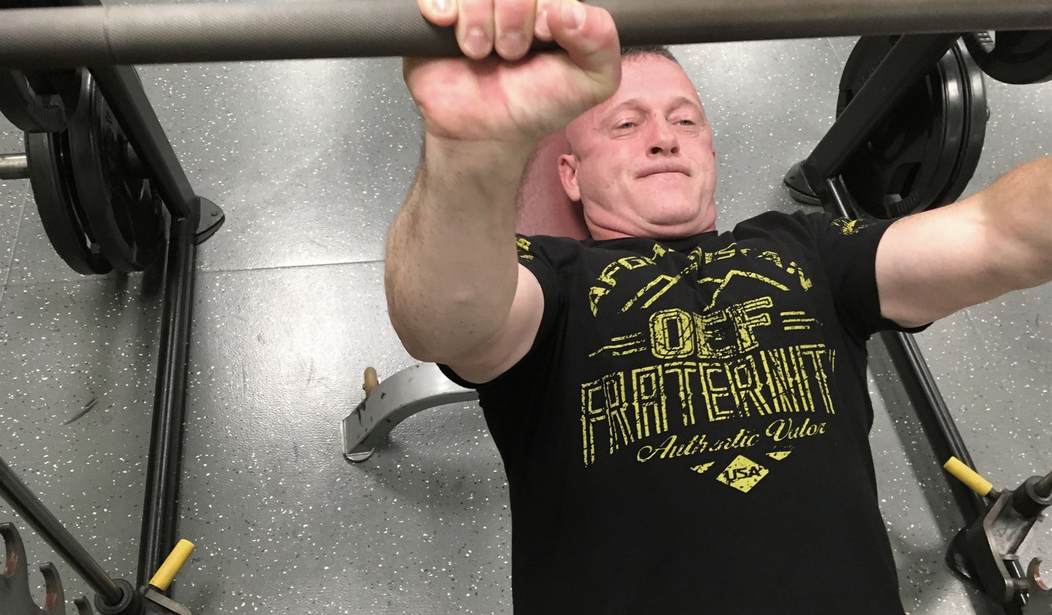
One group of small businesses that particularly fit this bill are small, independently owned franchised athletic clubs and workout facilities like Anytime Fitness. In addition to the physical and mental health benefits that these boutique gyms can provide members who have been strictly adhering to stay-at-home orders, they are also ideally equipped to shift their day-to-day operations in a way that allows their members to use their facilities while still maintaining social distancing protocol and following all necessary health precautions.
In fact, many of these businesses are already preparing plans for how they can safely reopen while still adhering to the guidance from the Centers for Disease Control and Prevention (CDC). Anytime Fitness is a great example, having already laid out a comprehensive roadmap to safely allow franchisees to open their doors in states that are beginning to gradually relax stay-at-home rules.
This roadmap includes a number of steps that will allow gyms to safely reopen, in turn offering a place for members to exercise while also providing an opportunity to help restart the economy. The steps that Anytime Fitness outlined involve easily achievable goals, such as limiting the number of people permitted in the gym at a time and allowing members to schedule their workout times in advance online. Furthermore, they are committed to implementing more in-depth cleaning practices using medical-grade products to ensure their gyms are properly disinfected and are safe for members to use.
Recommended
Given that Anytime Fitness gyms are small, controlled spaces, these proposals are smart, realistic solutions to the economic challenges confronting local and state leaders. Small gym franchises are among the businesses most suited to lead in reopening local economies.
Of course, allowing small business fitness centers to begin reopening will do more than just providing a safe and clean environment for members to exercise in; it would also mean that hundreds of small businesses can continue operations and avoid the fear of having to lay off more employees than they already have. Franchised gyms are run as small businesses, meaning they have been forced to lay off staff and stop collecting dues from their members, in turn threatening their viability as a business.
Ensuring that people are kept safe and healthy in the coming months is the top priority. As soon as the CDC and other health leaders determine it is safe for economies to begin their gradual reopening, states should recognize the efforts that small businesses like local fitness clubs are making to adapt their operations to comply with health officials’ recommendations and prioritize allowing them to reopen.
In doing so, elected officials can make it clear that they are continuing to prioritize the safety of the public while maintaining the strength of the economy as much as possible during this epidemic. Small businesses are the heartbeat of state economies across the U.S., and as such should be the businesses that lead the economic recovery as we seek to mitigate the damage from the coronavirus pandemic.







Join the conversation as a VIP Member