




Yesterday, we seem to have had a deal on tax reform. The Senate Republicans appeared to be in the red zone. It was 1st and goal, but buried in the Politico story on this supposed deal was the Rubio factor. The Florida Republican has threatened to vote against the tax reform bill if the child tax credit is not expanded. This has been a point he’s been sticking too for quite some time, while other Republicans, like Sens. Bob Corker (R-TN) and James Lankford (R-OK), have voiced their concerns about the deficit:
Republicans struck a deal on a sweeping tax overhaul Wednesday, including steep corporate and individual rate cuts, and hope to have legislation on President Donald Trump's desk by next week.
The agreement includes a 37 percent top tax rate for individuals, Senate Majority Whip John Cornyn (R-Texas) said, lower than either the House or Senate called for earlier. The corporate tax rate would be 21 percent, higher than the 20 percent in each chamber's separate legislation, and would start in 2018 instead of being delayed until 2019 as the Senate proposed.
"Pass-through" businesses that pay taxes through the individual side of the tax code would get a 20 percent deduction, and businesses would get to immediately write off investments for the next five years. The corporate alternative minimum tax, which business groups had fought hard to get squelched in a final deal, is out, sources said. The AMT for individuals is retained, though fewer people are expected to pay it as the exemption would be raised to $1 million for couples.
The estate tax, long a target for elimination by Republicans, would be kept, Cornyn said, though the exemption would be doubled.
The final legislation would also end Obamacare's mandate that all Americans have health insurance or face a fine.
The Senate plans to take up the bill first, on Monday, with a final vote by the chamber on Tuesday.
Recommended
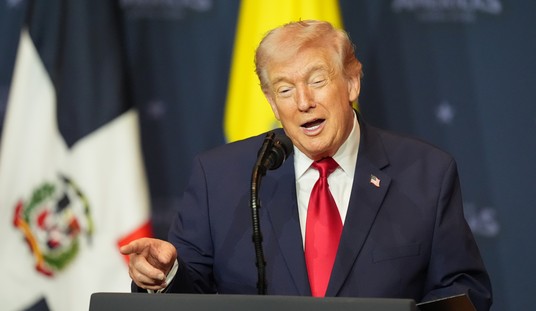
Now, that plan could be imperiled, as Rubio has threatened to gum up the works by voicing unequivocally that he will vote against the tax bill if this credit is not expanded (via The Hill):
Sen. Marco Rubio (R-Fla.) has threatened to vote against the tax bill, putting the legislation in danger of being delayed past Christmas.
Rubio has told Senate leaders that he will vote against the bill unless the child tax credit is made more generous to help lower-income workers who pay payroll taxes and not regular income taxes.
“Sen. Rubio has consistently communicated to the Senate tax negotiators that his vote on final passage would depend on whether the refundability of the Child Tax Credit was increased in a meaningful way,” said a spokesperson for Rubio.
If Rubio votes against the bill, Republicans can only lose one other lawmaker if they hope to pass the final bill that emerges from a House-Senate conference.
Sen. Bob Corker (R-Tenn.) previously voted against the Senate tax bill because it would add $1.5 billion to the deficit, and no Democrats support it.
Corker has not ruled out voting for the final conference report, though he suggested his concerns have not changed.
“The issues I had before are still there,” he said.
The Senate Republican majority has been cut further since Democrat Doug Jones won the Alabama special election fill the remainder of former Sen. Jeff Sessions term.
Parting thought:
This is what it looks like when Republicans act like Democrats on tax reform. (Or when they plot next presidential run.) Rubio to vote against GOP tax bill unless tax credit for working poor is expanded https://t.co/H0lrwnsHWZ
— Kimberley Strassel (@KimStrassel) December 14, 2017









Join the conversation as a VIP Member