


Magazines and other media have fun mocking research studies that are worthy of a big duh! Why the scorn? Because these pseudo-scholarly exercises merely confirm the obvious.
For instance, a Time scribe acerbically summarized three such studies as follows: “Knee surgery may interfere with your jogging, alcohol has been found to relax people at parties, and there are multiple causes of death in old people.”
Entrepreneur featured one of my favorites in a 2016 year-ender. Researchers at McGill University compared a group of world-class athletes to older folks and found the athletes’ legs had more muscle mass. Additionally, sedentary people among the elderly had fewer “motor units in their muscles.”
Athletes are in better physical shape than old people and couch potatoes. Got it.
It turns out there is a whole genre of Duh! research conducted by people who are either dense or determined to debunk the obvious—but in either case, they are often paid handsomely to collect and crunch numbers. Back in 2006, Popular Science included these research conclusions in a long list of howlers:
“Too many meetings make you grumpy.”
“Faraway objects are tougher to see.”
“Smoking cigarettes costs you money.”
“Women like funny men.” (At least that one has potential social benefit.)
The education world is especially fertile ground for research studies that tell us things almost everyone already knows. Just two quick examples:
Recommended

“A mean gym teacher can turn you off to sports.”
“Self-control makes students more manageable.”
Okay. After exhaustive research of my own (done without a grant, unfortunately), I have an early nomination for 2018 Duh! honors in Ed-World. Conducted at the University Hospital of Muenster (Germany), the study debuted at a recent conference of anesthesiologists in Copenhagen and soon will grace the pages of the journal Medical Education.
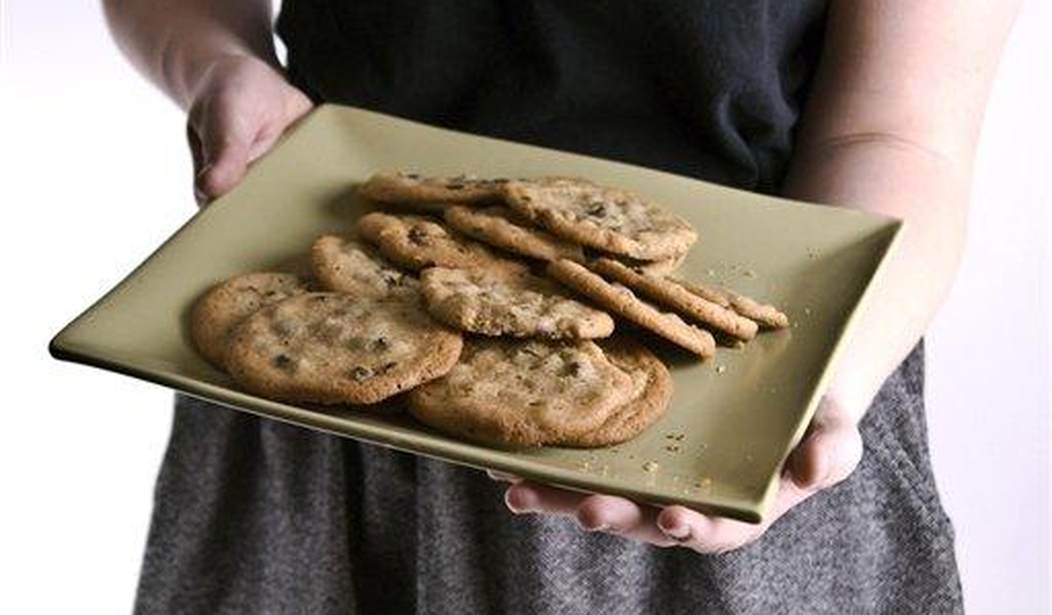
My paraphrasing of the study’s findings: “Teachers who gave out chocolate cookies to third-year medical students received significantly better evaluations from them than did teachers who gave out no goodies.”
The researchers randomly divided medical students into 20 groups, half of which received cookies (no word if they were chocolate-chip) and half of which did not. Besides being generous with their teachers’ grades, the cookie Muensters also were highly satisfied with their class in general. Lesson: Cookies induce happiness.
The study’s director, perhaps embarrassed, pronounced teacher evaluation “a totally inadequate tool to measure quality if you can mess with the system that easily!”
Actually, teacher evaluations can be a positive force when drawing from objective measures as to how much each teacher is helping students advance in their studies. And rewards can be a useful motivational tool teachers can use in their classroom. But hold the cookies, especially when their only purpose is to buy teachers impressive end-of-course ratings.
The cookies study probably will evoke little more than a few laughs before sliding down the memory hole, where silly studies deserve to go. Still, it would be a shame if anyone concluded cookies are the essence of rewards strategies in education.
An excellent source of information about well-designed rewards proven to help students learn is a book co-authored by Herbert J. Walberg and Joseph L. Bast. It’s titled Rewards: How to use rewards to help children learn – and why teachers don’t use them well (2014, The Heartland Institute).
The authors provide details for seven types of rewards proven to be appropriate and effective in elementary schools: “verbal praise, rewards built into lessons, small tokens (stickers, parties, and prizes), grades, arts incentives, money (real or play), and student-initiated rewards.”
The idea of paying students to learn will outrage progressives, many of whom cling to the romantic view that children are intrinsically hot-wired to learn and that any incentives will throw them out of kilter. To the contrary, the real world rewards effort. An example of a well-designed program comes from the high-achieving KIPP schools, where kids can earn in-school currency for hard work, good behavior, and completing homework. They can spend what they earn at school stores for supplies, snacks, etc. A valuable lesson learned is the ability to defer gratification, to work for returns that will come in time.
A warm platter of grandma’s chocolate-chip cookies could be a reward for completing chores, but, more likely, it is just a sweet way to say the grandkids are loved. In any event, such a delicacy is not easily duplicated in an institutional setting.









Join the conversation as a VIP Member