


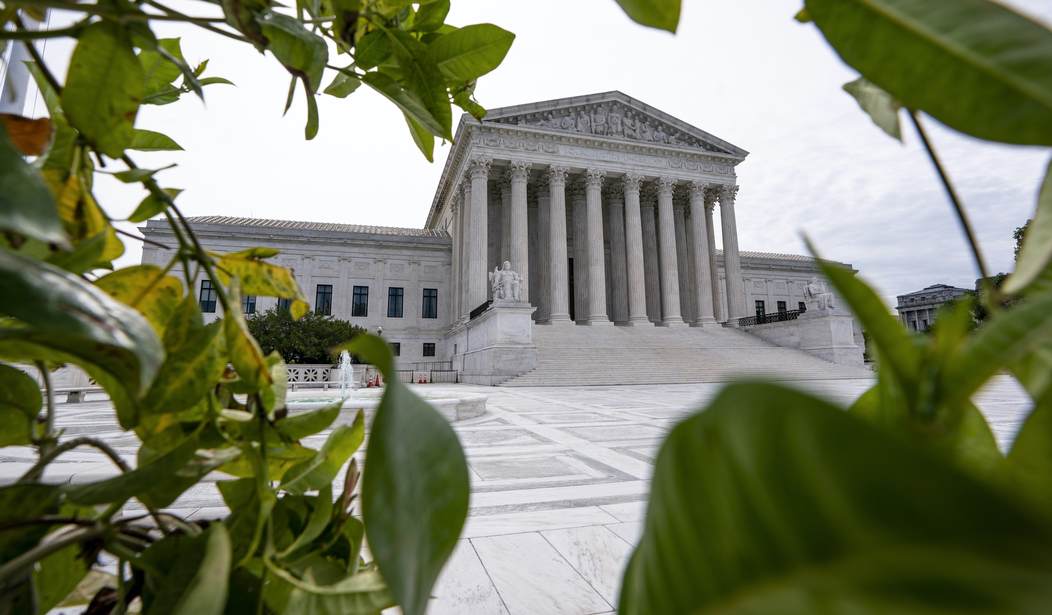
The U.S. Supreme Court will announce a ruling in June Medical Services LLC v. Russo anytime within the next two weeks. At issue is a Louisiana law that simply requires abortionists to have admitting privileges at nearby hospitals. The case has implications for dozens of pro-life, pro-woman laws pending in lower courts.
Louisiana’s Unsafe Abortion Protection Act was introduced in 2014 by then-State Rep. Katrina Jackson, a courageous pro-life black Democrat. The bill passed by overwhelming bipartisan majorities in the state legislature and was signed into law by Democratic Governor John Bel Edwards. Its popularity reflects the views of 70 percent of Americans, including overwhelming majorities of women and self-described “pro-choice” Americans.
Abortion advocates argue Louisiana’s law is virtually identical to the Texas law the Court struck down in its 2016 Hellerstedt decision, but that isn’t accurate.
To be clear, Hellerstedt was a tragedy for women and their advocates. The majority’s sweeping decision struck down Texas’ law entirely – even fire safety regulations, as Justices Alito, Thomas, and Roberts noted in their dissent.
However, there are two distinct questions for the Court to consider in June Medical, and the facts on the ground are demonstrably different. Upon examination of those facts, the 5th Circuit upheld the law.
The first question concerns whether abortionists have standing to challenge health and safety regulations on behalf of women. Abortion businesses nationwide have proven utterly unfit for the task, putting profits ahead of their clients’ wellbeing time after time. A thorough historical analysis, as Charlotte Lozier Institute and Concerned Women for America explain in their joint amicus brief, reveals that abortion doctors challenge pro-life laws at five times the annual rate that women do. Indeed, the plaintiffs in this case all represent the abortion industry. Their interests are directly opposed to those of the women they exploit and injure.
Recommended

The second question concerns the merits of the law itself, which eliminated an “abortion exception” to general safety and hygiene standards that apply to all other surgical facilities in the state. Louisiana’s abortionists have an extensive record of demerits. June Medical Services alone has been cited for placing patients in serious danger by failing to monitor their sedation; failing to perform and document examinations and patients’ medical history; neglecting to obtain informed consent; improperly stored medications and unsterile instruments; and poorly trained or unlicensed staff. Far from being burdensome, laws like Louisiana’s provide essential protection.
A favorable ruling on either question would be a clear victory for women’s health – and for President Trump. With at least two more vacancies possible, and Joe Biden promising to stack the Court with pro-abortion appointees, a close decision regardless of outcome raises the stakes of the 2020 presidential election.
The Hellerstedt decision, following the death of Antonin Scalia, motivated the voters who propelled President Trump to victory in 2016. According to exit polls, the Supreme Court was the top issue for 21 percent of all voters—and they preferred Trump to Hillary Clinton, 56 to 41 percent. Momentum to revisit the Court’s abortion precedents continues to grow; last year alone, states enacted nearly 60 new pro-life laws.
Could the Court punt the case back to the circuit level, or attempt to answer either question while leaving Hellerstedt untouched?
Marjorie Dannenfelser is president of the national pro-life group Susan B. Anthony List.








Join the conversation as a VIP Member