


Ordinarily, health care is an important issue. But in 2021, health care will remain especially significant, given the toll the pandemic has taken. As 2020 ends, many are wondering what is in store for the American health care system in the immediate future.
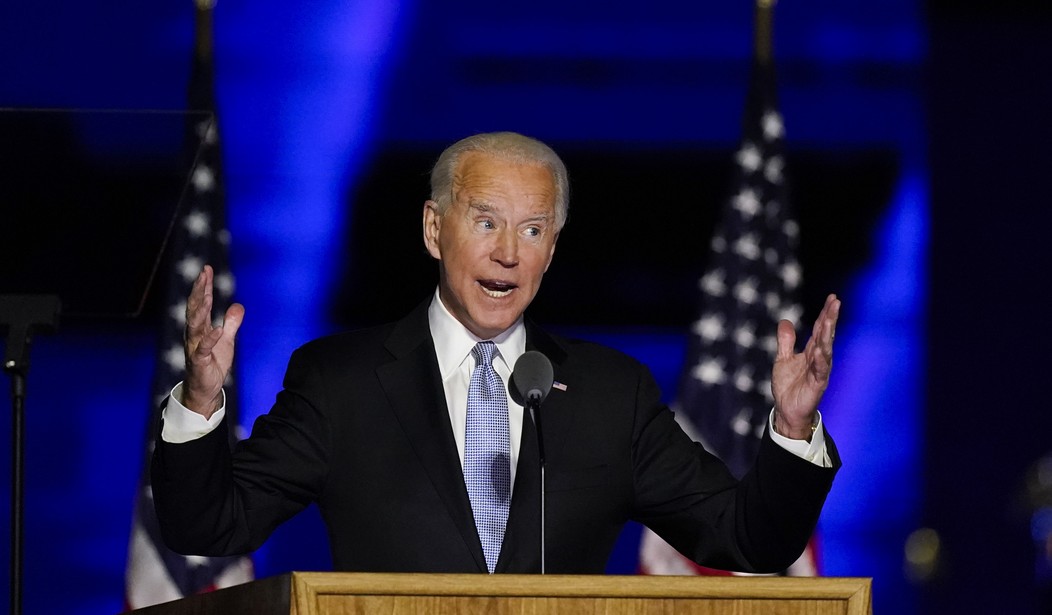
Joe Biden, who will likely become president next year, has suggested he will seek to expand on the failed “Obamacare” system by including a public option, colloquially known as “Bidencare.”
Biden’s website makes claims of “choice” and “access” to health care, but this is false. The idea that undermining the private sector and competition from health insurance would create an abundance of affordable, innovative options lacks credibility.
Under Obamacare, from 2013 to 2018, health insurance premiums more than doubled across all states. Even worse, half as many insurance plans were available on the individual market in 2019 than there were before the inception of Obamacare. Dropping from 395 to 202, this was a nearly 49 percent decrease across all states, thus leaving individuals with fewer choices.
Biden’s plan, which would build upon Obamacare’s flaws is not the solution. Biden’s plan would also expand the federal-state Medicaid program. When Medicaid costs are federally subsidized, state budgets look better (temporarily), but taxpayers end up footing the bill.
And as a constitutional federal republic, state autotomy is eroded by dangling Medicaid expansion, which is federally subsidized, at least temporarily. Medicaid expansion results in more federal government dependence and causes states to further rely upon the federal government for funding.
Moreover, when the government determines winners and losers in the health insurance market, we all pay the cost. An expansion to move more people onto government-run health insurance is an attack on the private market and results in higher costs and fewer choices for private payers.
Instead of looking to expand people in the private sector health insurance market and drive down costs by creating larger groups that can negotiate, Biden’s plan would do the opposite.
Let’s be frank: the federal government is more than $27 trillion in debt. America simply cannot afford to expand government-run health programs.
Further, the unintended consequences of doling out “free” or “subsidized” insurance are worrisome. Individuals taking advantage of these programs have no dog in the fight if they aren’t personally responsible in some capacity to pay for it.
This applies to most welfare programs, not just government-provided health care insurance. According to PricewaterhouseCoopers consulting, Medicaid patients are 35 percent more likely to use emergency rooms as a means of standard care than the uninsured. These are the “unintended” consequences that politicians do not speak of, yet to most of us, are easily foreseeable.
Government has squeezed out personal responsibility from our lives over the years, which has resulted in less freedom. They do so in the name of “compassion,” which makes fighting against these policies difficult.
As Murray Rothbard said, “It is easy to be conspicuously 'compassionate' if others are being forced to pay the cost.”
The incentives and cost structures of government-run health insurance are backwards. When someone else is left to foot the bill, it is no surprise that for many, individual responsibility goes by the wayside.
Christina Herrin (cherrin@heartland.org) is the government relations manager of Health Policy at The Heartland Institute, a non-partisan, free-market think tank headquartered in Arlington Heights, Illinois.







Join the conversation as a VIP Member