


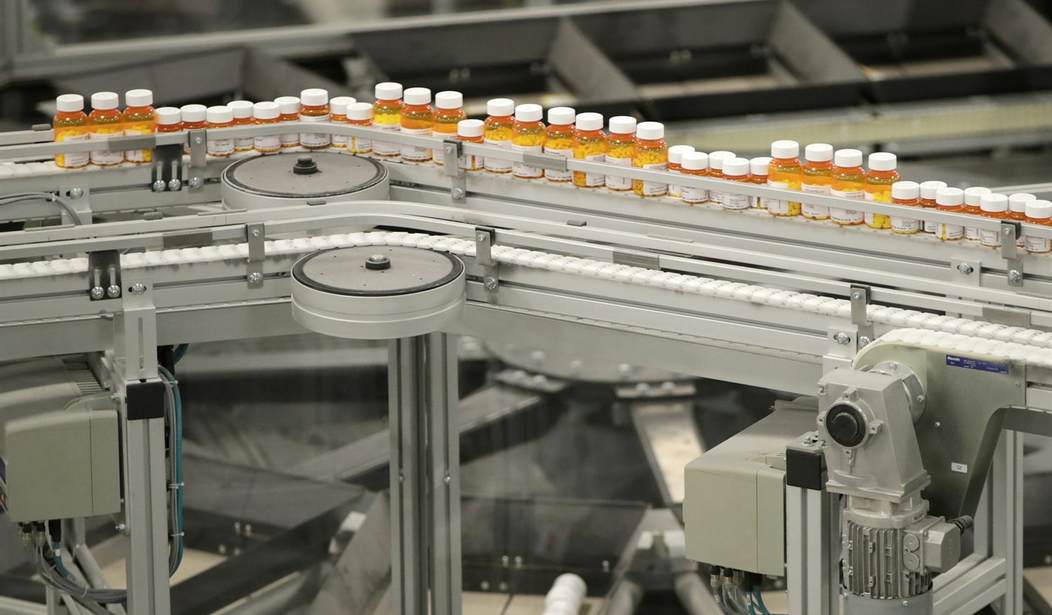
For a long time, other nations have been free riders on America’s innovative pharmaceutical industry. Worse, they have enacted socialist price controls to limit what they pay knowing that the largest market would pick up the slack to ensure a steady supply of new lifesaving drugs. It needs to stop, but President Trump’s recent executive order is not the right way to do it.
Earlier this month, the president signed his “Most Favored Nations” Executive Order to test a program limiting prescription medication payments made through Medicare Part B and Part D to the lowest rate paid in similarly developed OECD member nations.
The idea behind it is that other nations are getting a deal from pharmaceutical companies and that the U.S. should get at least as good an arrangement as any other nation. But this is a flawed way of thinking about the problem.
Other nations are not getting deals; they are engaging in theft via price controls. The fix is to stop them from doing so and protect U.S. innovators, not to also engage in theft by imposing those same price controls domestically.
The latest drugs can take months or even a year longer to arrive in countries with socialist healthcare systems. Patients suffer as a result, but the central planners have decided they are willing to accept that and other trade-offs to keep costs down.
Forcing those trade-offs on American patients accustomed to care on demand without all the delays and shortages associated with socialized systems would be bad enough. But in some cases, the new price control regime may even drive prices higher.
Recommended
If the U.S. is the most important market for manufacturers seeking to recoup development costs, then it may sometimes make sense to leave the foreign markets altogether to avoid setting a low U.S. price. The revenues that would have come from those markets, even when suppressed by price controls, would then need to be made up for by charging U.S. customers even more.
While it is possible that enough drugs avoid foreign markets to put pressure on governments to stop manipulating prices, remember that they’ve already accepted substandard care as the bargain for a socialized system. Perhaps one day patients force them to reconsider, but it could require decades of higher drug prices in the U.S. before that happens, if ever.
Another likely consequence is less innovation. Some drugs in this new price environment will no longer be cost effective to be developed. Patients again will suffer.
Beyond the issue of foreign market interference, there are better ways to lower drug costs for U.S. consumers. It is estimated to cost billions to bring new drugs to market. A variety of government interventions contribute to this expense. Lower barriers to entry would lead to more competition and lower prices.
Getting foreign jurisdictions to pay for their share of pharmaceutical innovation by putting a stop to price manipulation is a noble goal. But it should not come at the expense U.S. industry and patients.
Andrew F. Quinlan is co-founder and president of the Center for Freedom and Prosperity.








Join the conversation as a VIP Member