
A California woman is facing felony charges after illegally registering and casting ballots in her dog’s name during two separate elections—renewing concerns about the vulnerability of vote-by-mail systems.
Laura Lee Yourex, of Costa Mesa, has been arraigned on five felony counts for creating and using a fraudulent voter identity under the name “Maya Jean Yourex”—the name of her dog. Prosecutors say she used this fake registration to vote in the 2021 recall election against Governor Gavin Newsom and attempted again during the 2022 primary. The first ballot was reportedly counted, while the second was rejected.
Among the charges: perjury, submitting false documents, and casting ballots without legal entitlement. Yourex could face up to six years in state prison.
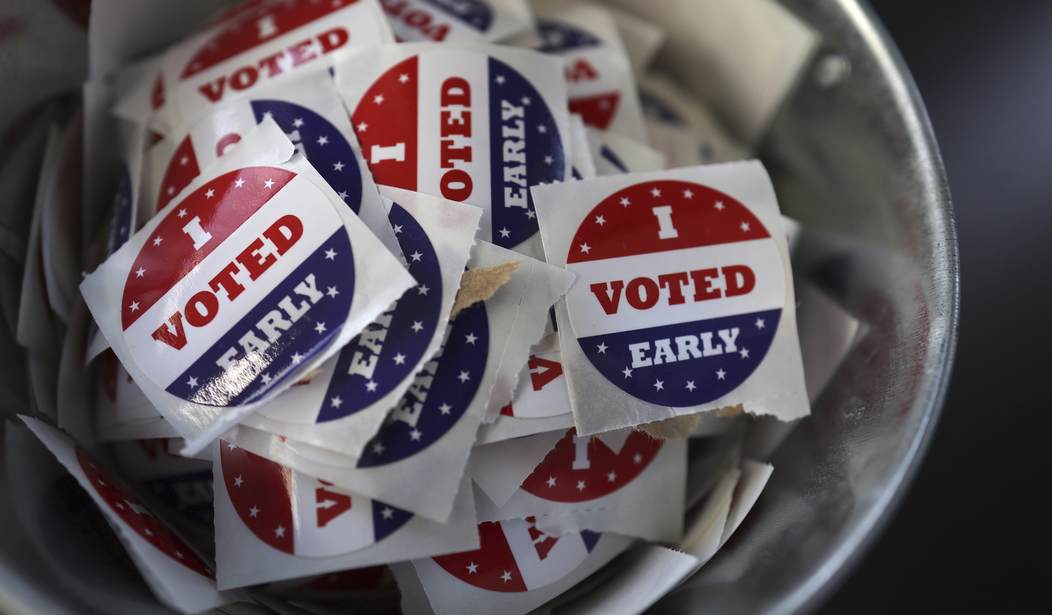
The case, now under prosecution by the Orange County District Attorney’s office, has brought national attention—not only for its bizarre nature but for what it reveals about gaps in California’s voting safeguards. According to authorities, Yourex didn’t just quietly submit a ballot under her pet’s name—she openly posted about it on Facebook, including a photo of her dog wearing an “I Voted” sticker next to a mail-in ballot.
More concerning still: the fraud was only discovered because she reported it to election officials. No internal system caught it.
This incident highlights how weak voter verification processes can allow non-citizens, including non-human entities, to receive ballots and cast votes. Under California law, voters are not required to show ID or proof of residence when registering for state elections—only a signed affidavit swearing they are eligible to vote.
As this case makes clear, the honor system is easy to exploit.
Prosecutors say the dog in question had passed away by the time Yourex received a ballot in its name for the 2022 primary. Yet even after Maya Jean’s death, Yourex posted about still receiving ballots for her, writing, “Maya is still getting her ballot.” If that sounds absurd—it is. But the 2021 ballot under the dog’s name was officially counted.
This is precisely the kind of case that provides ammunition to critics of mail-in voting, including President Donald Trump, who has consistently called for its abolition. In a recent post on Truth Social, Trump once again called vote-by-mail “a giant fraud scam” and pointed to cases like this as proof.
What many in the media may downplay as a “harmless stunt” or isolated case should serve as a serious warning: if a woman can register her dog and have that vote counted, what’s stopping someone from registering fake names, deceased individuals, or dozens of false identities?
In states like California, where mail-in ballots are automatically sent to every voter on the rolls—without ID verification—fraud doesn’t require sophistication. It requires opportunity, and in this case, that opportunity came via a ballot addressed to a dog.
The mainstream response is often to dismiss voter fraud as “rare,” but the bar shouldn’t be whether it’s frequent. The bar should be whether it’s possible. And in California, it clearly is.
Editor’s Note: Do you enjoy Townhall's conservative reporting that takes on the radical left and woke media? Support our work so that we can continue to bring you the truth.
Join Townhall's VIP and use the promo code FIGHT to get 60% off your VIP membership!