


The state of Arizona filed criminal charges against prediction market company Kalshi alleging that it is operating an illegal gambling operation.
Other states have taken civil action against the company for allegedly violating gambling laws, but Arizona is the first to attempt a criminal prosecution against Kalshi.
From The Associated Press:
Arizona on Tuesday became the first state to file criminal charges against Kalshi, accusing the prediction market company of operating an illegal gambling business within its borders, a significant escalation in the fight to regulate the popular platform.
The 20-count charging document accuses Kalshi of accepting bets on political outcomes, college sporting competitions and individual player performance in violation of Arizona’s gambling laws. The state prohibits operating an unlicensed wagering business and bans betting on elections.
“Arizona will not be bullied into letting any company place itself above state law,” said Democratic Attorney General Kris Mayes.
The criminal case marks a new front in a high-stakes legal battle over whether prediction markets should be subject to the same rules as gambling companies.
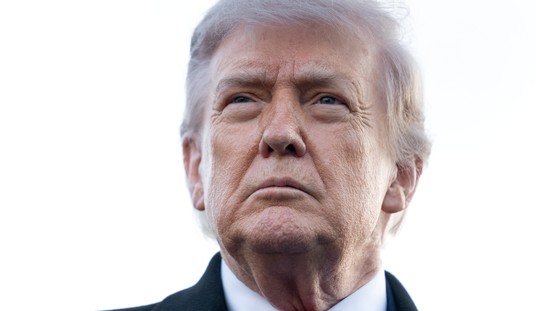
President Donald Trump’s administration has thrown its support behind the multibillion-dollar prediction market industry, further amplifying a state-versus-federal fight for regulatory control. The outcome could have sweeping implications for how sports betting — which makes up roughly 90% of Kalshi’s trading volume — is regulated in the U.S.
Kalshi insists it’s a financial marketplace rather than a gambling operation and should only have to answer to federal regulators with the Commodity Futures Trading Commission. The agency under Trump agrees it has exclusive oversight.
At least nine other states have targeted the company to prohibit it from operating its business within their borders. It has prompted a national conversation on whether prediction markets should be considered gambling operations.
Kalshi is a New York-based online “event contract” platform that allows users to buy and sell contracts tied to the outcome of real-world events. These include sports, elections, economic occurrences, and others.
The company characterizes its event contracts as tradable financial products rather than simple wagers. Here’s how it works. One might start by creating an account on the platform. Then, they would add money to their account and search until they see a question like, “Will U.S. inflation be above three percent in December?”
The user could then decide to purchase 50 “Yes” contracts at 40 cents each because they believe inflation will rise above that level in December. As time goes on, they can decide to sell early for a smaller profit, or smaller possible loss. If inflation rises above three percent in December, the contracts pay $50 because each contract would settle at $1. This means the user would earn a profit of $30.
Arizona’s attorney general argued that Kalshi markets what it calls “100% legal sports trading.”
A growing number of state regulators have moved against Kalshi and other prediction platforms, insisting that their contracts are simply unlicensed gambling that subvert state gaming regimes.
On the other side, Kalshi argues that it is already a federally regulated financial exchange, not a gambling site. It notes that it is a designated contract market under the Commodity Futures Trading Commission’s jurisdiction, which preempts state gambling laws.
This is yet another area where the government needs to keep its nose out of people's business. If people want to spend their money betting on event contracts, the state shouldn't be able to prevent them.
I'll even go so far as to say that state gambling laws are nothing more than nanny state nonsense aimed at trying to control people's behavior even when they are not hurting anyone else. The truth is those running the government want companies like Kalshi under their umbrella so they can rake in more tax money.
The government's role is to protect our rights, not to tell us where and how we gamble.