





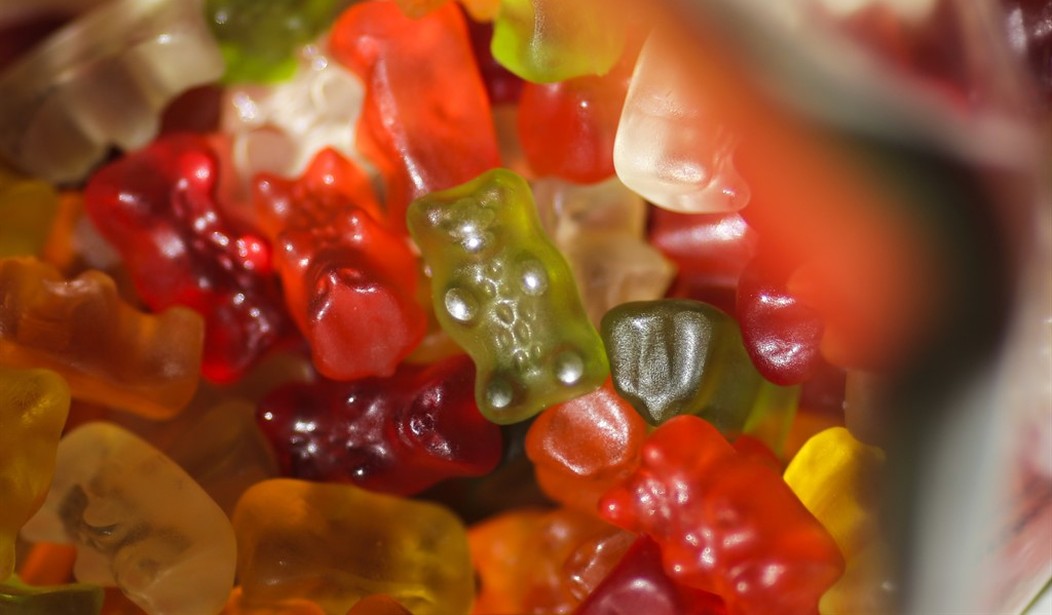
This week, the United States Food and Drug Administration banned Red No. 3, a synthetic dye used in food and drinks to give them a bright, cherry-colored appearance.
According to NBC News, the dye is prevalent in candies, cereals, fruit cocktails, milkshakes, and other foods. This particular dye has been linked to cancer in animals.
Reportedly, many consumer advocacy groups and some U.S. lawmakers have advocated for this dye to be banned. It was banned from cosmetics 35 years ago.
“At long last, the FDA is ending the regulatory paradox of Red 3 being illegal for use in lipstick, but perfectly legal to feed to children in the form of candy,” said Dr. Peter Lurie, president of the Center for Science in the Public Interest (CSPI)
Now, food manufacturers have until Jan. 15, 2027 to reformulate their products without the popular additive. Companies that make ingested drugs will get an additional year.
"The FDA cannot authorize a food additive or color additive if it has been found to cause cancer in human or animals," Jim Jones, the FDA's deputy director for human foods, said in a statement. "Evidence shows cancer in laboratory male rats exposed to high levels of FD&C Red No. 3."
US bans popular red dye from foods — 35 years after it was banned in cosmetics https://t.co/ocXohD9hFx pic.twitter.com/V6IeCGoIen
— New York Post (@nypost) January 15, 2025
Red Dye No. 3 had been approved for use in foods in 1907 and is made from petroleum. In the 1980s, the FDA became aware that it was possibly carcinogenic after a study showed that male rats who were exposed to it in high doses developed tumors.
“It removes an unnecessary hazard from the American food supply, and we welcome that action, even though it should have occurred more than three decades ago," Lurie said.
Several European countries, Australia, and Japan have banned it.


Join the Conversation
VIP members get the ability to comment on articles.