





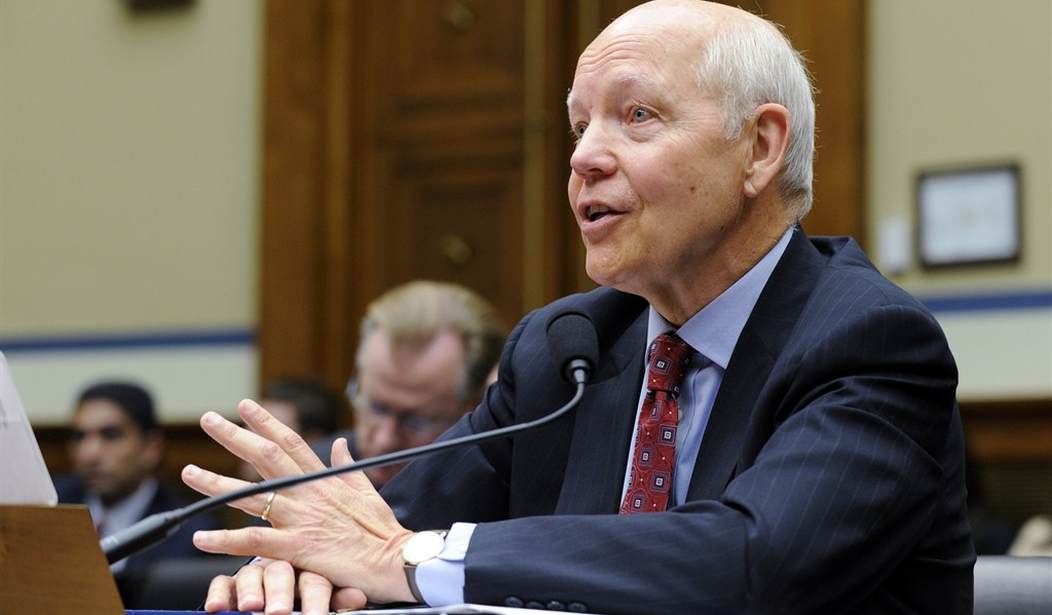
According to a new report from Treasury Inspector General J Russell George, the IRS paid out $5.6 billion in education credits to more than 3 million people who aren't qualified to receive them.
First, some background.
The Taxpayer Relief Act of 1997 created two permanent education tax credits, the Hope Credit and the Lifetime Learning Credit. The American Recovery and Reinvestment Act of 2009 temporarily replaced the Hope Credit with a refundable tax credit known as the American Opportunity Tax Credit (AOTC). The AOTC was initially set to expire at the end of Calendar Year 2010 but has since been extended through Calendar Year 2017.
Education tax credits help taxpayers offset the costs of higher education and have become an increasingly important component of Federal higher education policy. The amount of education credits individuals claim each year has increased from more than $3 billion for Tax Year 1998 to almost $19 billion for Tax Year 2012. Figure 1 shows the amount of education credits taxpayers claimed for Tax Years 2009 through 2012.
The problem according to the report:
Based on our analysis of education credits claimed and received on Tax Year 2012 tax returns, we estimate more than 3.6 million taxpayers (claiming more than 3.8 million students) received more than $5.6 billion ($2.5 billion in refundable credits and $3.1 billion in nonrefundable credits) in potentially erroneous education credits.

So how did this happen? First, you can thank the stimulus package of 2009. Second, the IRS hasn't taken the advice and recommendations from the inspector general to fix this problem in the past and therefore the agency is still paying out billions in bogus claims.
"Prior TGTA audits have reported that taxpayers have claimed billions of dollars of erroneous education credits. TIGTA has made a number of recommendations to the IRS to help reduce the number of these erroneous claims. This audit was initiated to assess the IRS's efforts to improve the detection and prevention of questionable education credit claims," the report states. "The IRS still does not have effective processes to identify erroneous claims for education credits. Although the IRS has taken steps to address some of our recommendations, many of the deficiencies TIGTA previously identified still exist. As a result, taxpayers to continue to receive billions of dollars in potentially erroneous educations credits."
Keep working America.











Join the conversation as a VIP Member