





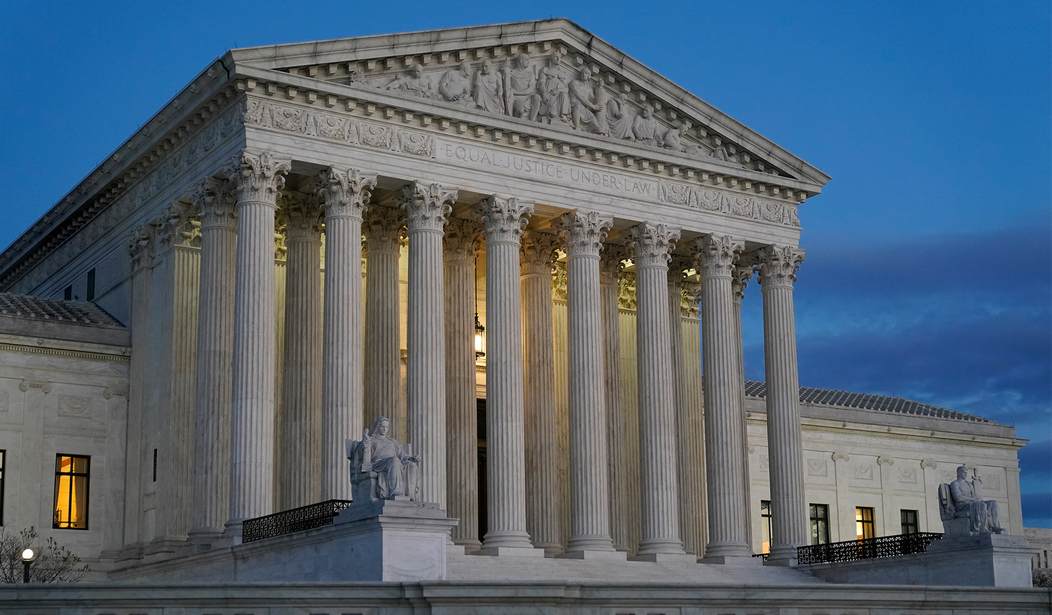
The Supreme Court on Tuesday ruled against President Donald Trump's executive order limiting birthright citizenship for immigrant children.
The Court held that children born in the United States to parents who are unlawfully or temporarily present are "subject to the jurisdiction" of the United State, which means they are considered citizens under the 14th Amendment's Citizenship Clause.
Justices Clarence Thomas, Samuel Alito, and Neil Gorsuch dissented. The ruling means that Trump's executive order is rendered invalid and cannot be enforced. Brett Kavanaugh concurred with the ruling related to the 14th Amendment, but not with the constitutional citizenship statute.
The ruling was 5-4 on the 14th Amendment and 6-3 on the Congressional citizenship statute. Roberts was joined by Sotomayor, Karan, Barrett, and Jackson, with Kavanaugh concurring in part on the statutory question.
— Bill Melugin (@BillMelugin_) June 30, 2026
Trump issued the executive order on his first day back in office last year, seeking to limit birthright citizenship for certain children born in the United States. The Supreme Court heard oral arguments in a challenge to that order on April 1, 2026, and was expected to issue a ruling before the end of its current term.
The order directed federal agencies not to recognize U.S. citizenship for children born in the country after late February 2025 if the mother was in the country illegally and the father is not a U.S. citizen or lawful permanent resident.
Supporters defended the order, arguing that it is a necessary correction in a longstanding misreading of the 14th Amendment. They contend that the provision was not intended to grant automatic citizenship to the children of parents who lack full allegiance to the United States.
In a post on Truth Social, Trump argued that the country “cannot live with the shackles of Birthright Citizenship. It is not economically, or otherwise, sustainable, and no other Country in the World, of consequence, does it!”
U.S. Solicitor General D. John Sauer argued before the Supreme Court that the citizenship clause was adopted to secure citizenship for newly freed slaves and their children. He said Trump’s order will solve the problem of “birth tourism” which is “creating a whole generation of American citizens abroad with no meaningful ties to the United States,” according to SCOTUSBlog.
The Supreme Court heard more than two hours of oral arguments in the case. Cecilia Wang, the attorney representing the plaintiffs, argued that the 14th Amendment and more than a century of precedent establish that everyone born on U.S. soil is a citizen.
Lower courts blocked the Trump administration from enforcing the order, which prompted the White House to appeal the matter to the Supreme Court.

Join the Conversation
VIP members get the ability to comment on articles.