

[Editor's note: This piece is co-authored by Jill Homan and Mike Faulkender. Homan serves as Deputy Director, Trade and Economy Policy, Campaign Director, and Senior Advisor to the President and CEO at AFPI and Faulkender is Co-Chair of American Prosperity at AFPI and the William E. Longbrake Chair of Finance at the Smith School of Business at the University of Maryland.]
JPMorgan Chase (JPMorgan) is facing a lawsuit over its decision to close accounts tied to President Trump’s family and now the bank says it wasn’t political at all. Rather, America’s largest bank is the victim in all this.
That’s rich.
In a recent statement, JPMorgan insisted it debanks customers only because they “create legal or regulatory risk,” blaming federal bureaucrats “lead[ing] [them] to do so.” Or simply, Washington made them do it.
That explanation might sound convenient if JPMorgan’s own timeline didn’t blow it apart.
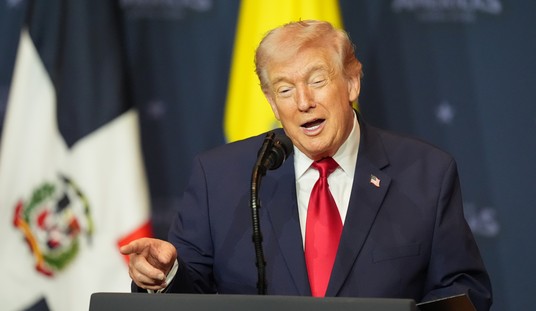

In January 2021, JPMorgan CEO Jamie Dimon publicly condemned the January 6 violence and urged “peaceful protests.” One month later, the bank notified close members of President Trump’s family that their personal and business accounts would be shut down. Then, in June 2021, JPMorgan resumed political donations, except to Republican lawmakers who voted against certifying the 2020 election.
Interesting how “regulatory risk” always seems to point in one political direction. How many far-left Democrats and their family members have been debanked? We can’t think of any.
Either JPMorgan made those calls on its own, or it allowed regulators to pressure the bank quietly and was complicit in punishing its clients for their political, religious, or other views. JPMorgan claims it’s the latter — which raises an obvious question: if this system is so unfair and coercive, why hasn’t JPMorgan done anything meaningful to stop it?
The answer lies in a deliberately vague phrase regulators love to hide behind: “reputational risk.”
Reputational risk is defined as negative public opinion. It’s a subjective standard that regulators use when evaluating banks to determine whether they get to stay in business. Often, the guidance is informal. Sometimes it’s whispered. Rarely is it written down. The result is that banks internalize and then use this guidance against politically disfavored industries.
Think of it like a parent warning a child, “We don’t like you hanging out with that kid. It’s bad for your reputation.” Now imagine the federal government doing that to banks, except the consequence is frozen accounts, shuttered businesses, and livelihoods destroyed. That’s how ideological debanking happens.
Under President Trump’s first term, regulators were told to stop judging customers based on non-financial factors. President Biden reversed course and doubled down, reviving Operation Chokepoint under a new name, aggressively pressuring banks to cut ties with politically disfavored industries like crypto, energy, firearms, and faith-based organizations.
The result? Law-abiding Americans were locked out of the financial system with no warning, no explanation, and no recourse.
President Trump has now moved again to end this abuse, issuing an executive order banning debanking and eliminating reputational risk as a supervisory tool. In response, the Office of the Comptroller of the Currency and the FDIC proposed rules to implement that change.
It’s a good start, but it’s not enough.
Executive orders can be undone. Regulations can be reversed. All it takes is the next administration deciding that “climate risk” or “diversity” or some other fashionable non-financial metric should once again dictate who banks are allowed or not allowed to serve.
That’s why Congress must step in, and why JPMorgan’s finger-pointing isn’t leadership. There’s already a solution on the table. The FIRM Act would remove subjective, non-financial factors like reputational risk from bank supervision altogether. It would force regulators to focus on real financial risk —fraud, insolvency, money laundering—when evaluating banks and stop playing politics with Americans’ bank accounts.
JPMorgan is currently facing a major lawsuit over debanking decisions it now says were driven by regulatory pressure. By its own admission, the system is broken. So why is the bank still hiding behind regulators instead of calling on Congress to fix it permanently?
If JPMorgan truly believes reputational risk is the problem, it should say so loudly and demand that Congress codify the reforms it claims to need. Not polite statements. Not quiet lobbying. Real leadership.
The America First Policy Institute is already doing the work. Our white paper documents Americans harmed by debanking and lays out a clear legislative path to end it for good. President Trump has led the effort to end debanking. Now we’re pushing Congress to codify it because access to banking should never depend on your politics or your religion.
JPMorgan helped build the modern financial system. It shouldn’t allow it to become a tool for ideological enforcement.
Banking shouldn’t come with a loyalty test. Congress can fix this. JPMorgan should help.