






The Federal Reserve’s latest decision to hold its benchmark interest rate steady at 4.25% to 4.5% sent ripples through Wall Street, as it always does. But while financial markets obsess over every hint of future policy, one group continues to be overlooked: working-class Americans.
While inflation has cooled, the Fed continues to keep interest rates at levels that stifle growth and restrict opportunity. This policy might satisfy central bankers and financial elites, but for families trying to buy homes, start small businesses, or simply stay afloat, it’s an unnecessary chokehold on the American dream.
High interest rates are effectively a hidden tax on everyday life. When the Fed holds rates at elevated levels, it drives up the cost of borrowing. Mortgages, car loans, credit card interest, and small business financing all become more expensive. And those higher costs fall heaviest on the shoulders of working Americans.
If you’re a young couple trying to purchase your first home, the bank may approve you for far less house than you could afford just a few years ago. If you’re a tradesman looking to open a shop, the financing you need may be priced entirely out of reach. And if you’re relying on credit to cover groceries or utilities while wages lag behind, the Fed’s policy is punishing you directly.
This is real economic pain, made worse by a central bank that refuses to recognize reality.
Why is the Fed keeping interest rates this high, even after inflation has largely subsided? Because it’s clinging to an outdated, discredited theory, one that says low interest rates automatically trigger inflation. But the facts suggest otherwise.
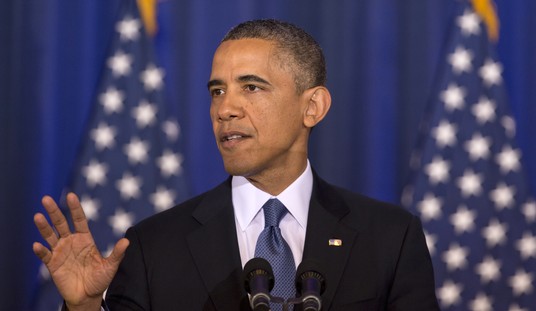
Under President Obama, interest rates were near zero for nearly eight years, and yet inflation remained low. During President Trump’s first term, interest rates rose modestly, and inflation still remained under control.
Over the past several decades, there’s been no consistent link between interest rate policy and economy-wide inflation. Certain industries and markets have undoubtedly been affected, such as housing and securities investments, but in total, the evidence suggests there is a very weak correlation between inflation and interest rates.
Yet Fed leaders continue to act as if lowering rates even slightly would unleash economic chaos. That kind of fear might make sense in a textbook, but it doesn’t hold up in the real world.
Inflation isn’t caused by affordable credit. It’s driven by supply shocks, reckless government spending, skyrocketing energy prices, and other largescale economic problems. Those were the forces at play when inflation surged under President Biden—the war in Ukraine, chaos in the Middle East, regulatory changes that pushed energy prices higher, supply chain mismanagement, and massive amounts of reckless government spending.
But those conditions have changed. Supply chains have recovered. Most Americans are back to work. Regulations are being rolled back. There’s a pro-energy president in the White House. The crisis phase of the war in Ukraine is over. Yet the Fed continues to act as if the economy is on the verge of overheating, punishing workers in the process.
Instead of unleashing growth, the Fed is throttling it. And as usual, it’s not the political class or Wall Street that suffers. It’s the blue-collar families and small business owners left holding the bag.
The truth is, the Fed’s leadership is out of touch. They may not understand what’s happening on the ground—or worse, they might not care. Either way, their refusal to adapt is dragging the economy down, and working Americans with it.
We need a Federal Reserve that puts Main Street first, not one that hides behind outdated models and academic fear. It is well past time for a change at the top of the Fed. We need leaders who understand how the real economy works and who are willing to stop punishing the very people this system is supposed to serve.
Or, better yet, we could just stop putting elites in charge of our monetary system by ending the Fed entirely.
Justin Haskins is a New York Times bestselling author and a senior fellow at The Heartland Institute and Our Republic.
Editor’s Note: Every single day, here at Townhall, we will stand up and FIGHT, FIGHT, FIGHT against the radical left and deliver the conservative reporting our readers deserve.
Help us continue to tell the truth about the Trump administration and its successes. Join Townhall VIP and use promo code FIGHT to get 60% off your membership.


Join the Conversation
VIP members get the ability to comment on articles.