





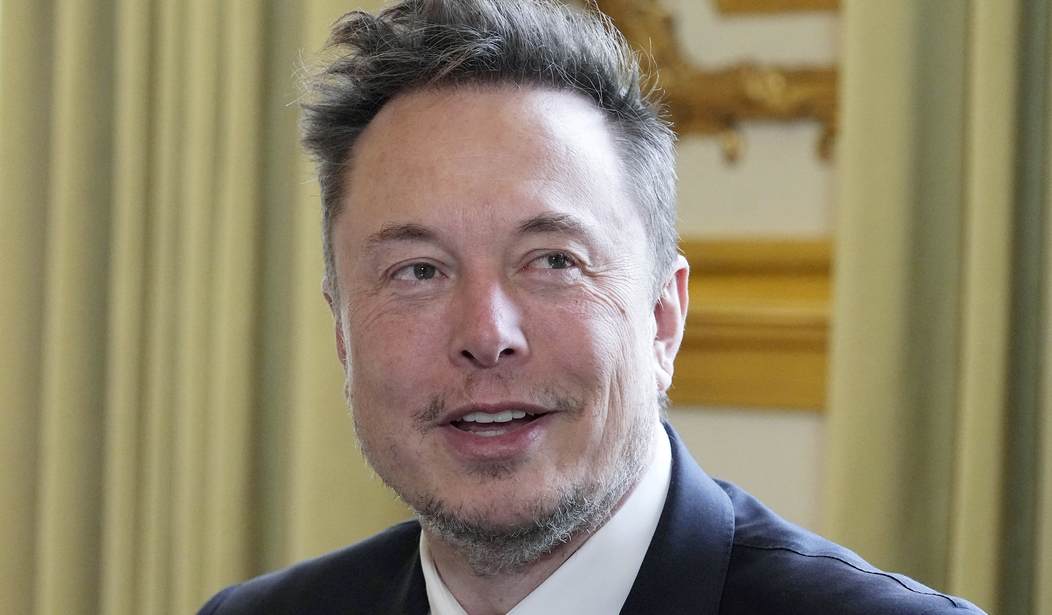
In October 2022, when Elon Musk completed his $44 billion acquisition of Twitter (now X), he described the purchase not as a business deal, but as a mission to preserve free speech in the digital age. "Free speech is the bedrock of a functioning democracy, and Twitter is the digital town square where matters vital to the future of humanity are debated," Musk wrote at the time. Three years later, in 2025, the evidence overwhelmingly supports his claim: Musk's intervention halted a dangerous era of institutional censorship on one of the world's most influential platforms and transformed it into a genuine haven for open discourse and independent journalism.
Before Musk's arrival, Twitter operated under a regime of aggressive, ideologically driven content moderation that systematically suppressed dissenting voices. The most infamous example was the platform's decision in October 2020 to block the New York Post's reporting on Hunter Biden's laptop — a story later verified as legitimate by mainstream outlets. Twitter locked the Post's account, prevented users from sharing the article, and even restricted private messages containing the link. Internal documents released in the "Twitter Files" revealed that this suppression occurred at the behest of political operatives and despite objections from some Twitter executives who admitted there was no clear policy violation.
This was no isolated incident. Twitter routinely de-platformed or shadow-banned conservative commentators, medical professionals questioning COVID-19 lockdowns or vaccine mandates, and satirical accounts that offended progressive sensibilities. Doctors like Jay Bhattacharya and Martin Kulldorff, co-authors of the Great Barrington Declaration advocating focused protection over blanket lockdowns, found their reach throttled. Comedian Babylon Bee was suspended for a satirical headline. Even sitting presidents, such as Donald Trump, were permanently banned following January 6, 2021 — a decision that set a precedent for tech companies acting as arbiters of political legitimacy. These actions weren't about combating illegal content; they enforced a narrow ideological conformity under the guise of “safety."
Musk rightly called this "a grave threat to democracy.”
Upon taking control, Musk dismantled this apparatus. He fired the executives most responsible for censorship, including the head of Trust and Safety and the legal team that interfaced with government agencies. Permanent bans for non-illegal speech largely ended. High-profile accounts reinstated: Donald Trump's account restored after a user poll (though he has rarely used it), the Babylon Bee brought back immediately, and even controversial figures like Alex Jones returned after years in exile. Thousands of previously suspended journalists, scientists, and ordinary users regained their voices overnight.
More importantly, Musk shifted the platform's philosophy from preemptive censorship to "freedom of speech, not freedom of reach." Legal speech would stay up, but harmful or spammy content could be down-ranked in algorithms. The crown jewel of this new approach is Community Notes — a crowdsourced fact-checking system that has proven remarkably effective. Unlike top-down moderation teams with inherent biases, Community Notes allows users from across the political spectrum to propose contextual corrections. Notes only appear when contributors with historically differing viewpoints agree on the text. Studies from institutions like the University of Illinois and the University of Washington have found that posts receiving Community Notes see engagement drop by up to 60%, significantly curbing the spread of misinformation without suppressing truth. By 2025, over one million contributors participate, making it one of the most scalable and trusted transparency tools in social media history.
The results speak for themselves. During the 2024 U.S. election cycle, X became the primary source for real-time information and debate, hosting long-form discussions, unfiltered conversations that legacy media often ignored or spun. Independent journalists — many previously marginalized on old Twitter—flourished. Citizen reporters broke stories faster than traditional outlets, from war zones in Ukraine and Gaza to domestic political scandals. The platform's openness allowed minority viewpoints, whether from the political left, right, or center, to compete on merit rather than moderator approval.
Critics argue that reduced censorship led to more hate speech or misinformation, but data tells a more nuanced story. While raw reports of problematic content increased (as expected when people report it more freely on a freer platform), the visibility of such content decreased due to algorithmic changes and Community Notes. Moreover, X's transparency reports show millions of accounts suspended for spam, child exploitation, or direct threats — proving that free speech absolutism doesn't mean anarchy. Musk's rule remains clear: everything legal stays up, but illegal content goes down swiftly.
Elon Musk didn't just buy a company; he rescued the last truly global public square from capture by a small elite enforcing ideological conformity. In an era where governments increasingly pressure tech platforms to silence dissent (often more compliantly now than under old Twitter in some jurisdictions), X stands apart as the place where controversial ideas can be debated rather than disappear. The marketplace of ideas, bruised and battered by years of suppression, is healing.
Free speech isn't always comfortable. It was never meant to be. But as Voltaire's spirit reminds us, the alternative — letting a handful of Silicon Valley executives or government liaisons decide truth — is far worse. By returning Twitter to its original promise as an open protocol for human expression, Elon Musk performed one of the most significant acts of digital philanthropy in history. The rescue of free speech and free press on X will be remembered as one of his most enduring legacies.
Editor’s Note: Do you enjoy Townhall’s conservative reporting that takes on the radical left and woke media? Support our work so that we can continue to bring you the truth.
Join Townhall VIP and use promo code FIGHT to receive 60% off your membership.

Join the Conversation
VIP members get the ability to comment on articles.