
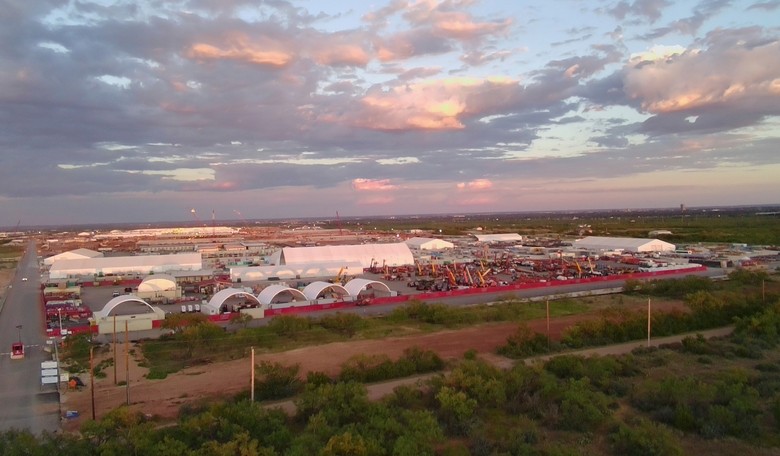
The war against data centers has continued even as public attention has shifted toward artificial intelligence itself. In one Pennsylvania township, opposition has grown strong enough that residents are rejecting $10,000 checks, money offered with the modest condition that they accept a massive data-center complex in their backyard.
In Hazle Township, NorthPoint Development wants to build Project Hazelnut: a 15-building data-center campus spanning roughly 1,300 acres in the Pocono foothills. The proposed site would sit about 750 feet from a local residential community and roughly 1,500 feet from the nearest home. To win support, NorthPoint has offered $10,000 to every eligible household in the township, a $45 million direct-payment fund covering about 4,500 households, along with a broader $165 million community-benefits package. For a township with median household income near $60,000, that is not meaningless money. It could cover months of rent, groceries, fuel, home repairs, or simply provide breathing room that many families do not have.
Yet, according to The Wall Street Journal, many of the Hazle Township residents interviewed were unmoved by the offer. The checks, it turns out, have not been enough to overcome fears, some misguided, others not so much, about noise, property values, water and energy use, and the suspicion that the developer is trying to bribe local residents.
“$10,000 doesn’t match how much it’s going to tank my property value,” Jeff Fasnacht, a retired teacher whose house is near the proposed data center, said. He also worries about the noise that could accompany years of construction.
Diana Spallone, a special-education teacher, expressed similar concerns about the effect the facility could have on her home’s value, though she said that “$10,000 would be nice.”
Others were less conflicted. Carl Majusiak, a retired foundry worker, said the payment gave him pause, but ultimately concluded that “we don’t need that around here.”
Noise concerns are understandable, particularly for a project located so close to an established residential community. But fears over property values are far less settled.
The prevailing assumption is that a data center automatically drags down nearby home prices, yet the available evidence suggests their effect is more often neutral to modestly positive. That should not be especially surprising. These projects can bring tens of millions of dollars in local investment, a substantial tax base, and the kind of public revenue that gives communities more resources for schools, roads, emergency services, and other basic needs.
Others, like Ed Negra, a retired homeowner helping organize opposition to the data center, argue that the $10,000 is nothing more than a bribe, and that residents will reject the project precisely because they recognize it as one. But what, exactly, separates a bribe from an effort to simply compensate the people who will live nearest to a major development?
I will not claim that Hazle Township residents opposing the project are wrong. They are entitled to decide what kind of development they want near their homes.
But those who want to build the infrastructure behind the next era of American technology have their work cut out for them. If $10,000 per household, a larger tax base, and millions in local investment cannot begin to change the conversation, then the country’s AI ambitions may eventually collide with an unavoidable question: where, exactly, does it expect the infrastructure to go?