
It’s all fun and games until a socialist accuses somebody else of not understanding basic economics.
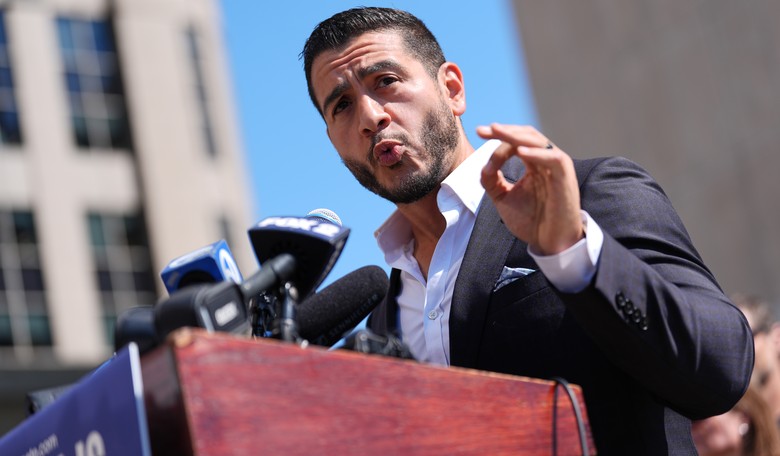
Michigan Senate candidate, Abdul El-Sayed, who is proudly endorsed by the Democratic Socialists of America (DSA) took aim at President Trump this week for supposedly failing Econ 101. The candidate’s own policy platform, however, reads like a shopping list for people who never bothered to take economics courses, much less contend with reality.
El-Sayed is campaigning on Medicare for All, higher taxes on the wealthy, public ownership of AI companies, public housing, price controls, and more union power. In other words, programs that fail to consider basic things like fiscal responsibility, supply and demand, price signals, or economic incentives. The entirety of his platform, along with the rest of the DSA starts with familiar socialist insight, that something feels “unfair,” and ends with an even more familiar solution of letting the state take over.
Apparently, that is what passes for a superior grasp of basic economics.
🇺🇸 Abdul El Sayed called Trump a nepo baby who doesn’t understand economics.
— Mario Nawfal (@MarioNawfal) August 27, 2026
He also said Trump got money from his dad, decided he was a master businessman, and is now running tariffs off pure ego that working people end up paying for.
Right, because building and running a…
"Thirty-two hundred dollars is what we already pay because of the tariffs. And now he's slapping another 50 percent tariff on top of that. Who do you think pays for a tariff? Now, Donald Trump doesn't understand economics," El-Sayed said. "I get he, you know, you get money from daddy, become a nepo baby, and then all of a sudden you think you're some kind of like, you know, master businessman."
Contrary to what El-Sayed and his fellow socialists seem to believe, receiving money from a parent is not a guaranteed ticket to success. Most businesses cannot survive on moral posturing, political slogans, or the assumption that someone else will cover the bill. They must provide something people actually value. That requires confronting the basic principles socialists are so eager to skip over, controlling costs, producing goods and services efficiently, responding to consumer demand, managing risk, and giving workers a reason to invest in the company’s success.
Tariffs, to El-Sayed's point, can certainly be economically costly and should not be treated as a cure-all. But even critics acknowledge that they can serve a legitimate role when national security is at stake.
What, exactly, is El-Sayed’s economic program meant to accomplish? Beyond vague appeals to “compassion,” there is little evidence of a coherent answer. It is not a serious plan for creating wealth, expanding opportunity, or building a durable economy. It is, rather, a wholesale rejection of the free-market principles that have helped guide American prosperity for centuries. Its real purpose appears purely political: identify an outcome people view as unfair, promise that government will correct it, and leave taxpayers, employers, and consumers to deal with the aftermath.