






Justice Samuel Alito delivered Ohio the news that it is allowed to purge thousands of stagnant voters from the state registration records. In their 5-4 ruling, the Supreme Court determined that Ohio was in compliance with the National Voter Registration Act of 1993.
“It is undisputed that Ohio does not remove a registrant on change-of-residence grounds unless the registrant is sent and fails to mail back a return card and then fails to vote for an additional four years,” Alito wrote.
Eligible Ohio voters who have not participated in over two years are targeted by the rule. If after two years an individual has not cast a vote, they receive a notice. If that person not respond and doesn't vote over the next four years, they are dropped from the registration list.
Civil rights groups have fought against the voting measure, arguing that it discourages minority turnout.
"The Supreme Court got this one wrong," according to Chris Carson, president of the League of Women Voters of the United States. "The right to vote is not 'use it or lose it.' This decision will fuel the fire of voter suppressors across the country who want to make sure their chosen candidates win reelection, no matter what the voters say."
Liberal justice Sonia Sotomayor said the same in her dissenting opinion Monday. The 1993 voter registration act was enacted "against the backdrop of substantial efforts by states to disenfranchise low-income and minority voters," she wrote.
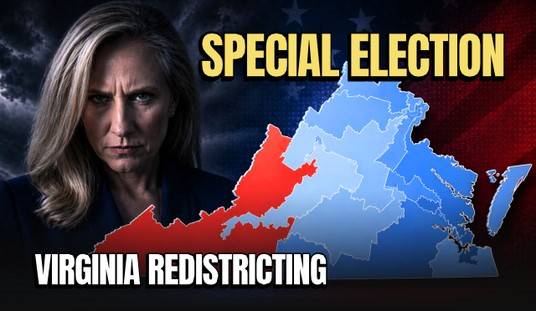
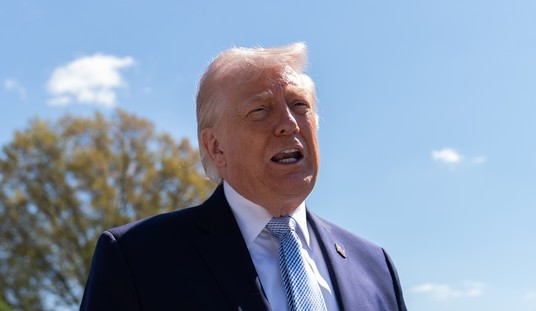
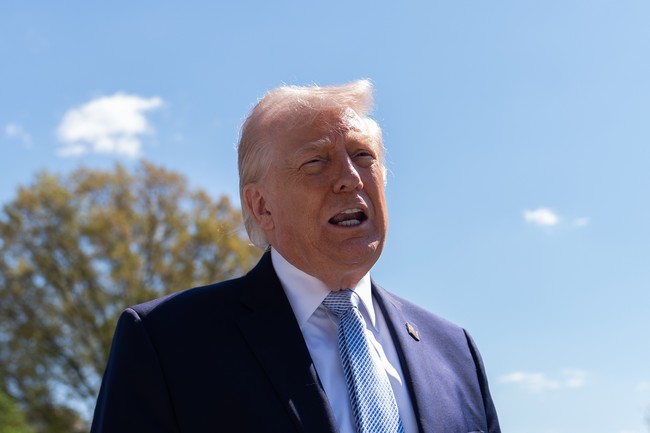
The Trump administration supported Ohio's voter purge.
"On the one hand dramatically increasing the number of voters on the voter rolls but, on the other, giving states the flexibility they need to manage the issues that arise when you have over-inflated voter rolls," the Trump administration lawyer Solicitor General Noel Francisco said in a court brief.
The SCOTUS ruling wasn't limited to the Buckeye State, as a handful of other states follow the voter purge act as well.








Join the conversation as a VIP Member