




A woman will be on the new $10 bill, bumping Alexander Hamilton aside. Treasury Secretary Jack Lew says he will choose the woman by year's end, based on "input from the public."
In one survey of the "public," the first female chief of the Cherokee Nation, Wilma Mankiller, placed fourth. I understand the wish to counter sexism prevalent in early America, but "Mankiller?" The name alone probably reveals something about the attitude of some of those voters.
Fortunately, more voted for Harriet Tubman. Tubman escaped slavery to become a leader of the Underground Railroad, then repeatedly returned to slave territory to help others escape. Tubman would be a good choice. What's more libertarian than helping people escape slavery and resist being governed without their consent?
But I feel bad about Alexander Hamilton.
He was courageous in the American Revolution, co-wrote the Federalist Papers that defended the new Constitution and helped put the new republic on a sound financial footing when it was deep in debt. He was a poor immigrant with an absent father who rose to advise George Washington and become one of the most important men in the nation.
Hamilton was also decent and fair-minded enough to singlehandedly stop a mob when it threatened to harm an unarmed Tory. In his spare time, he founded the newspaper New York Post, now headquartered a few floors below my office.
Hamilton biographer Ron Chernow, who opposes demoting Hamilton, argues that "Hamilton was undeniably the most influential person in our history who never attained the presidency."
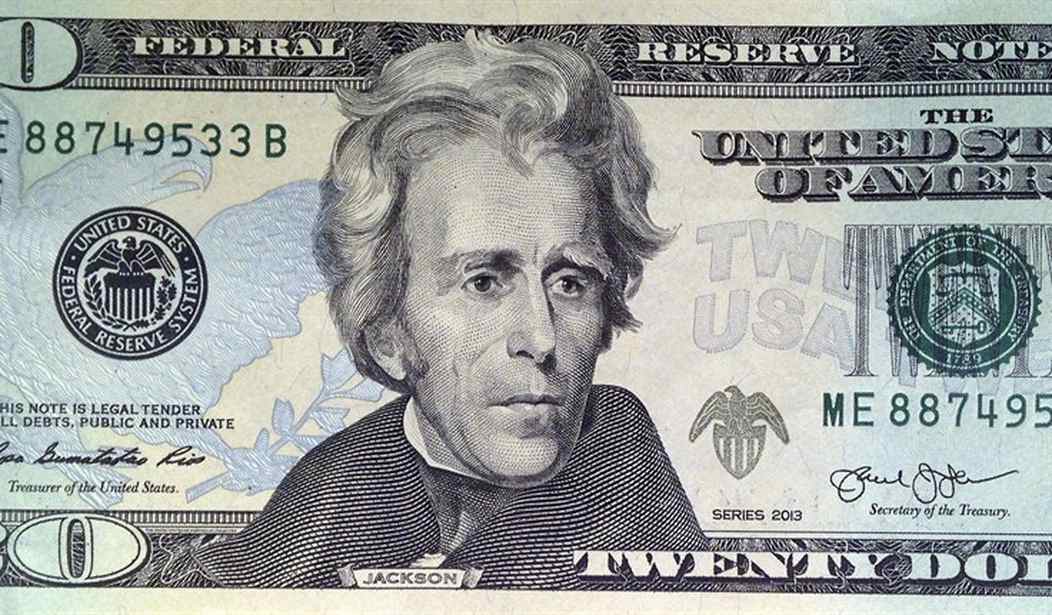
Before the talk of replacing Hamilton, the movement to put a woman on U.S. currency targeted the $20 bill. That would be a better choice. Andrew Jackson was a violent man who ignored a Supreme Court ruling and killed thousands of Indians by forcing them off their land. But the government says it's not ready to replace the $20 bill.
Recommended

Jackson opposed central banking, founded in the U.S. by Hamilton. So maybe there's poetic justice in Hamilton getting pushed aside by the central currency-printing bureaucracy he helped create.
But none of us would have to fight about whom to put on currency if it weren't all created and printed by a central government. Bitcoin is private currency that comes in many forms. People who prefer dogs as the symbol of their money can even use the digital currency Dogecoin.
Private currencies aren't just a 21st-century novelty. Numerous banks used to print their own competing currencies. Contrary to the claims of John Kenneth Galbraith and other left-wing economists, private competition tended to prevent runaway inflation and deep depressions.
Economist Thomas Hogan writes, "There were 1,600 private corporations issuing banknotes and an estimated 8,370 varieties of notes" in the 19th century, while the U.S. economy "grew at an average rate of 4.4 percent per year [and] the price level remained roughly constant."
The central bank known as the Federal Reserve was supposed to provide greater stability, but it didn't. Just 16 years after the U.S. created the Fed, the Great Depression began. And since then, the U.S. dollar lost 96 percent of its value.
Since government can't run the rest of the economy wisely, why let it be in charge of money itself?
The money printing that central banks love -- to pay government's bills and try to trick, er, stimulate the economy into greater activity -- isn't real wealth creation. It just means more pieces of paper float around representing the same amount of wealth. It distorts markets, creating things like housing bubbles, and eventually it will mean inflation. It also lets politicians think they can ignore our debt ($18 trillion and counting) and keep spending.
Let private currencies compete and not only will we be on firmer ground financially, but also everybody will be free to choose whether they want to use Tubmans, Hamiltons or Mankillers to pay their bills.
Some people want Eleanor Roosevelt. Some want Ayn Rand. A movement on Twitter wants Caitlyn Jenner on their money.
Great! Go for it. If we had private, competing currencies, all these options could coexist. Choice is always better than the government's one-size-fits-all solution.








Join the conversation as a VIP Member