


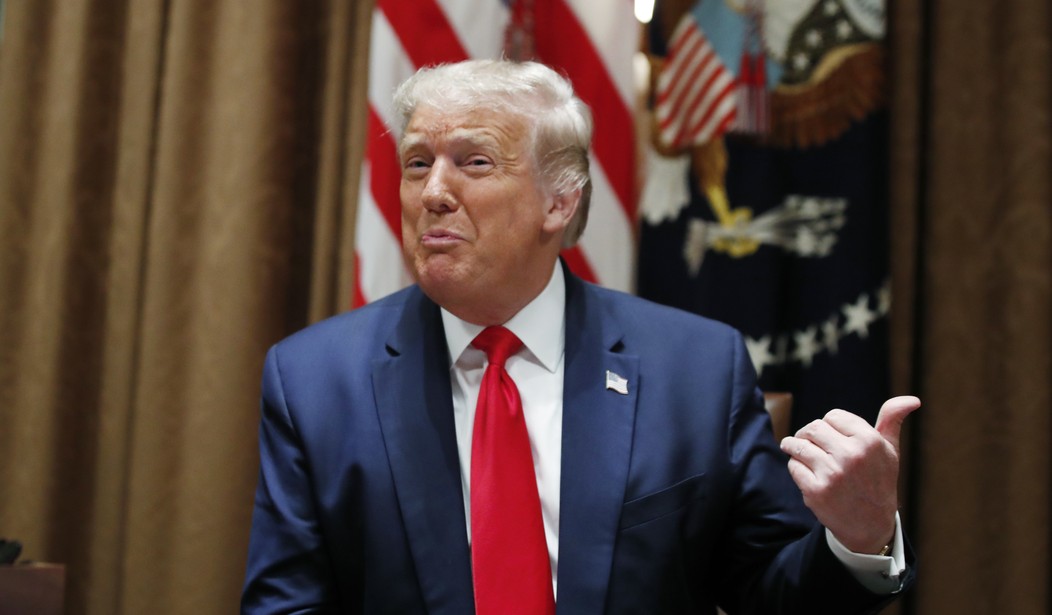
President Trump indicated that he would fill a potential vacancy on the Supreme Court ahead of the election in November, as rumors of a potential retirement loom. In an interview with Hugh Hewitt, Trump said he would nominate a jurist to fill the seat quickly:
Trump on whether he'd fill a Supreme Court vacancy in the last five months of his term: "Absolutely, I’d do it. Sure," he tells Hugh Hewitt. "I would move quickly. Why not? I mean, they would. The Democrats would if they were in this position. But you know, I’ll be interested."
— Manu Raju (@mkraju) August 11, 2020
In his interview w @hughhewitt, POTUS says he has somebody in mind to fill a Supreme Court vacancy. He wouldn't say who, but we reported last year that during Kavanaugh deliberations POTUS said he was "saving" ACB for an RBG vacancy.
— Jonathan Swan (@jonathanvswan) August 11, 2020
The prospect of filling a Supreme Court seat ahead of November sparks controversy on Capitol Hill, as Democrats warn Republicans of adhering to their own standard set in 2016. Senate Majority Leader Mitch McConnell (R-KY) famously declined to hold hearings for President Obama’s final nominee, Judge Merrick Garland. Hedging his bets on a GOP sweep in November of 2016, Leader McConnell argued that a justice should not be confirmed to the high court amidst divided government.
Recommended
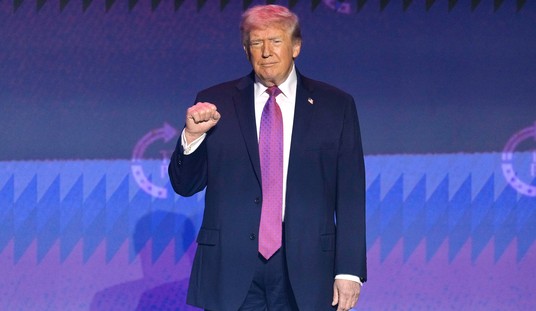
Democrats argue that Senate Republicans filling a vacancy before the election this November would be hypocritical, but the minority party seems to forget what Leader McConnell’s argument was four years ago. He declined to fill the seat on account of Democrats occupying the White House while Republicans held the majority in the Senate; if a vacancy occurred in the next five months, Republicans would still occupy both the upper chamber and the White House. Filling a vacancy at this point would not violate the “Garland standard” set by Leader McConnell and Senate Republicans in 2016.
The president did not reveal his top contenders to fill a potential vacancy, but an opening on the high court would turn the election into an even more consequential contest.






Join the conversation as a VIP Member