
Democratic lawmakers are trying to limit President Donald Trump’s ability to pardon those convicted of crimes.
They are pushing for a constitutional amendment that would narrow the circumstances under which a president can issue clemency.
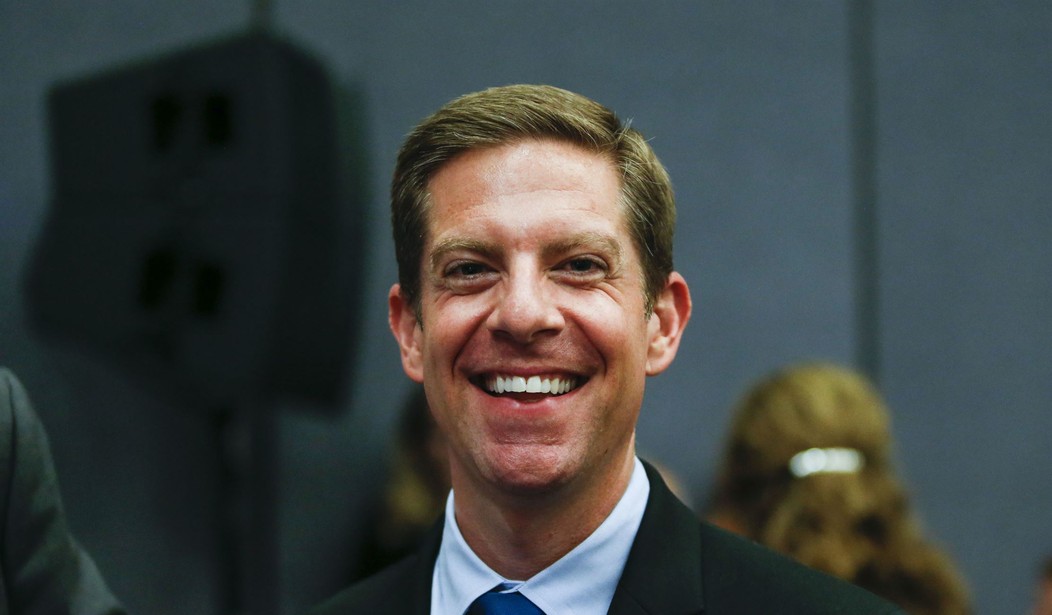
California Rep. Mike Levin (D-49) posted a video on social media explaining his proposed amendment, arguing that “the presidential pardon system has reached a breaking point” and that the president’s pardon power “exists for justice and mercy” and to “serve the public good.”
“In my view, presidents of both parties have misused this power,” Levin continued. “No one has been perfect. But what we're seeing now is unprecedented, different in scale, different in pattern. Under President Trump, pardons have been used to erase convictions for extremely serious crimes, drug trafficking, major fraud, and violent attacks on our democracy.”
These aren't technical violations or low-level offenses. Many involved real danger to the public. On day one, President Trump pardoned individuals convicted for their roles in the January sixth attack on the Capitol. Since then, some recipients have committed new crimes and ended up back in jail. Other pardons involved major international drug trafficking and large financial crimes that cost workers and taxpayers many millions of dollars. In multiple cases, the people who benefited had direct political or financial ties to the president, including campaign or inauguration donations, sometimes by family members.
The lawmaker explained that his amendment “would ban self-pardons” and “bar pardons for family members, senior officials, and campaign staff.”
It would also prohibit a president from issuing pardons to “protect a president’s personal or financial interests.”
“Right now, there are almost no checks on this power. That makes it ripe for abuse. I know constitutional amendments are hard. I know there will be plenty of resistance, but this conversation has to start, and I hope it can be bipartisan because the rule of law matters,” Levin concluded.
The presidential pardon system is broken.
— Rep. Mike Levin (@RepMikeLevin) December 30, 2025
Right now, there are no meaningful checks on the President’s pardon power. That makes it ripe for abuse, and it’s a threat to the rule of law.
That’s why I support a constitutional amendment to put commonsense limits in place: no… pic.twitter.com/ngNU1bCGzI
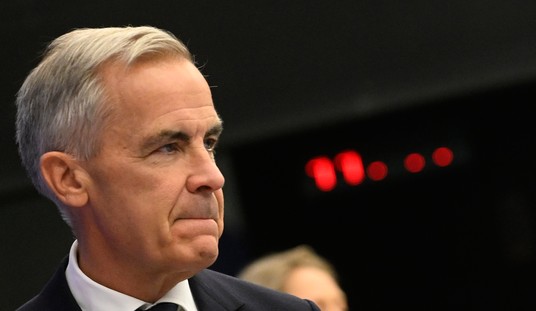
Maryland Rep. Jamie Raskin (D-8) supports the proposal. He told Newsweek that “while previous presidents typically reserved pardons for those who took responsibility for their crimes and made amends to their victims, Trump uses pardons not only to reduce the sentences of his political allies but also to eliminate the debts they owe to their victims and society".
Democrats have been caterwauling about Trump’s pardons since he took office and granted clemency to those who participated in the Jan. 6, 2021 riot at the U.S. Capitol building. He recently pardoned former Rep. George Santos, who was serving time for defrauding donors and other offenses. He also pardoned former Honduran President Juan Orlando Hernández, who was convicted for cocaine trafficking, earlier this month.
However, the Framers insisted on endowing the president with sweeping pardon power for several reasons. Alexander Hamilton argued that presidents need broad pardon authority to handle national emergencies and to heal the country after conflicts.
Presidents used pardons to reunite the nation after the Civil War and also to end disputes over the Vietnam War draft.
Supporters also point out that pardon power is part of the system of checks and balances, allowing the president to correct unjust rulings made by judges or prosecutors.
Others point out that there are already ways to limit a president’s ability to abuse pardon power, such as impeachment.
Of course, this amendment is only aimed at stopping Trump from pardoning people. None of these people were pushing for this under the previous administration – even after former President Joe Biden pardoned his son, Hunter.
Either way, this amendment isn’t going anywhere. Changing the Constitution is one of the most challenging endeavors in our system. The public isn’t going to get behind a wholesale effort to alter pardon policy when they are still struggling to put food on the table.