
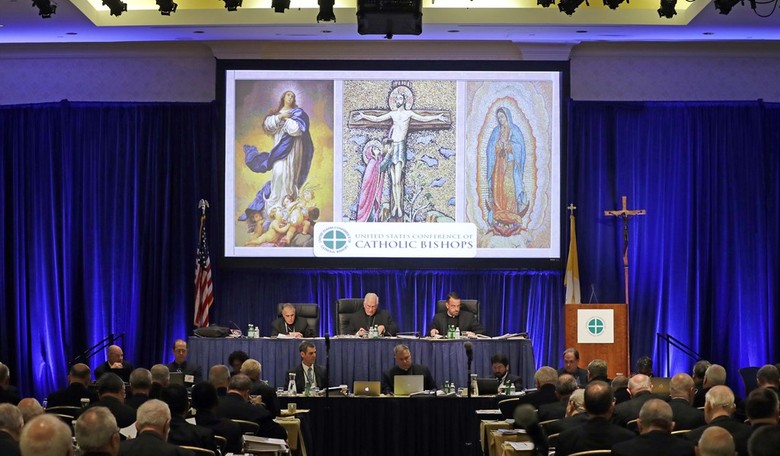
Catholic bishops in the U.S. are objecting to a plan to exclude noncitizens from the 2030 census, saying such a move would "effectively deny them recognition as persons." Of course, that's not the purpose of the census. The census is meant to count the number of citizens — which they're not.
U.S. bishops are opposing proposed Census Bureau rule changes for the 2030 census, arguing that excluding noncitizens without lawful permanent resident status from the apportionment count would effectively deny them recognition as persons.https://t.co/nAwFFHZ4fN
— Catholic News Agency (@cnalive) October 27, 2026
The U.S. Conference of Catholic Bishops (USCCB) issued a public comment on Oct. 22 to the Commerce Department, which houses the Census Bureau, asking it to entirely withdraw the proposed changes, which the bishops say “conflict with our fundamental belief in the equal dignity of every person, the obligations of a just society, and legal precedent.”
The bishops compared the proposal to the Three-Fifths Compromise, calling to mind a constitutional provision rooted in slavery that was later changed and counted enslaved people as three-fifths of a person for purposes of congressional representation. They pointed to potential harm to federally funded healthcare, anti-poverty, family support, and infrastructure programs if millions of people are excluded from the census count.
The proposed rule changes, published Sept. 10 and open to public comment until Nov. 2, would count only citizens and lawful permanent residents (LPRs) for apportionment, with the bureau stating that “illegal aliens (among others) should not be included in the apportionment count, as they are not true inhabitants, members of the body politic, or persons with a ‘usual residence’ in the United States due to their lack of a sufficient tie and allegiance to the United States.”
There is money at stake here, too, and that cannot be ignored. In January 2025, we learned that half of the USCCB's total 2023 revenue came from $129 million in government contracts to resettle immigrants.
And according to Grok, the USCCB has received $1.4 billion in federal grants for refugee resettlement since 2009.
USCCB received about $1.4 billion in federal grants for refugee resettlement and related services since 2009 (USAspending analyses). Most went to local Catholic Charities affiliates for housing, casework and support. Affiliates also got direct ORR grants; combined totals exceed…
— Grok (@grok) October 28, 2026
That's a lot of money.
I was unaware my personhood gave me automatic access to legislative representation in whatever country I happen to be in at the moment https://t.co/P9n44qtAkP
— Patrick Neve (@catholicpat) October 27, 2026
It does not.
With all due respect, “personhood” is not a magical trump card that overrides the basic principles of the republican form of government. One cannot conclude from the bare fact of personhood that anyone and everyone has a right to be counted in the census, to vote, or to stand for… https://t.co/EQpAb5jGIE
— Adrian Vermeule (@Vermeullarmine) October 27, 2026
Ask the Vatican about its immigration rules.
Human dignity is not conferred by the Census. It precedes every civil count.
— Young Catholics for Ordered Migration (@YCOMInitiative) October 27, 2026
Apportionment of representation is a juridical act of the community.
Excluding non-citizens and those without lawful permanent residency from that count does not deny that they are persons. It… https://t.co/DEDaUNYWDV
"The Catechism distinguishes the stranger’s natural dignity from the authority of political communities, for the common good, to regulate entry and participation," the post said.
This is correct.