

If social media were your only window on America, you might conclude the country is in free fall and your future is bleak.
But that picture is distorted—and it’s doing real damage, especially to young Americans, who are being taught to expect decline instead of to look for opportunity.
The truth is more encouraging: this remains one of the best moments in history to build a meaningful and successful life in the United States.
Consider one illustration of how much has changed within a single lifetime. My friend and mentor, Dennis Prager, recently suffered a catastrophic spinal injury that would likely have been fatal a generation ago. Modern respiratory care and rehabilitation didn’t merely keep him alive; it gave him back his voice. What previous eras would have called impossible is now merely remarkable—and it was not by accident, but through a culture that still prizes innovation, competence, and problem-solving.
To notice those gains, however, requires an attitude of agency rather than grievance. A victim mindset narrows your choices; gratitude widens them. You can acknowledge real problems—be they macro or micro—without concluding you are trapped, powerless, and doomed. Yet a growing grievance industry makes its living selling exactly that story.
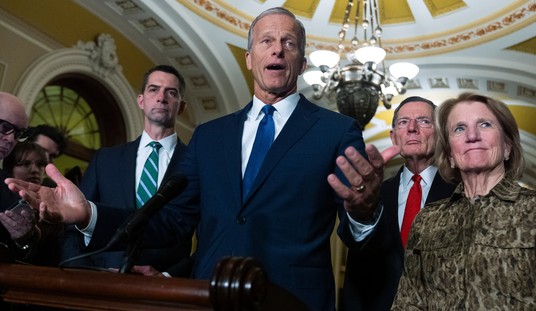
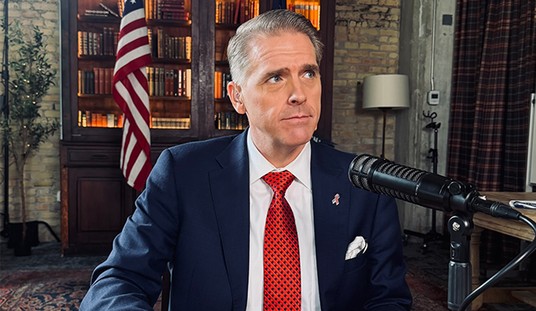
Spend enough time “doom scrolling” online, and you’ll find a steady drumbeat of despair: America is in terminal decline, the system is rigged, and there’s nothing you can do about it. Notice what’s missing. The purveyors of pessimism rarely linger on good news, verifiable progress, or the ordinary realities of work and family life that still make the country move forward. Pessimism draws clicks and outrage keeps audiences. Facts, in contrast, are bad for the business model.
So, let’s be concrete. Whatever your politics, a clear-eyed look at the country today yields many reasons to be optimistic.
1. The economy remains vibrant. Growth is not a straight line, and families feel costs that national averages can blur. But by historical standards, the U.S. economy is still remarkably resilient, propelled by entrepreneurship, capital formation, and accelerating technologies such as artificial intelligence. The relevant question isn’t whether everything is perfect; it’s whether effort and ingenuity still pay. For millions of people, they do.
2. Work is available for people who want it. Even after post-pandemic volatility, unemployment has remained low by the standards of the past few decades, and employers continue to report substantial demand for labor. That matters. A society with plentiful work offers more than paychecks: it offers dignity, skill-building, and a ladder—imperfect, sometimes steep, but real—for those willing to climb.
3. Everyday life is richer than many admit. A single full-time job today can buy conveniences that would have stunned earlier generations: groceries delivered on demand, near-infinite entertainment, instant communication across the globe, and travel once only belonging to elites. Material comfort doesn’t guarantee meaning—but it expands choice. And choice is the raw material of a free life.
4. DEI is dying. Across higher education and corporate America, many leaders are banishing litmus tests that elevated slogans over competence. Some universities have shut down their diversity offices; some employers have curtailed mandatory statements and trainings. You can support equal opportunity while still opposing compelled conformity. A renewed emphasis on merit, viewpoint diversity, and basic fairness is a healthy correction.
5. The country is capable of restoring order. Immigration is a defining American story, but a sovereign nation has to control its borders. Clear enforcement of existing laws at the southern border demonstrates a basic point: policy choices can change real outcomes. When government does its job, communities are safer, and the law is more than a suggestion.
6. America still dreams big dreams. The renewed push into space—through NASA’s Artemis program and a growing private sector—signals something bigger than rockets. It’s evidence that the national talent for engineering, logistics, and long-term ambition is alive. Great nations don’t complain; they build. And building is contagious.
None of this denies hard facts: the debt is enormous; many institutions are bloated; “experts” have lost credibility, some families face very real pressures; and social trust is frayed. But despair is not a prognosis—and cynicism is not sophistication. The most consequential choice many Americans face isn’t whether the news is bad. It’s whether they will outsource their worldview to people paid to keep them anxious.
Turn off the content designed to make you feel helpless. Choose agency over grievance. Practice the kind of gratitude that doesn’t ignore problems but refuses to be defined by them. America today still offers freedom, opportunity, and enough room to recover from mistakes and start again. The future doesn’t belong to those who declare themselves defeated. It belongs to those with the discipline and discernment to see what’s good, the courage to confront what isn’t, and the will to get to work.