

A nation that borrows trillions while sending taxpayer dollars to a high-gloss indulgence ritual for elite globalists in Davos, while sinking deeper into debt, is not practicing leadership; it is practicing financial and moral negligence. That reality has been ignored for far too long in Washington, even as Americans were told to accept higher costs, fewer opportunities and perpetual austerity at home. The disconnect between how the federal government spends money abroad and the financial pressures facing families at home has become impossible to defend.
The effort to defund the World Economic Forum is not merely symbolic, nor is it driven by isolationism. It represents a long-overdue reckoning with how America has spent its money, exercised its influence and surrendered leverage over the past several decades. For years, U.S. taxpayers were compelled to subsidize global institutions populated by wealthy, unelected elites who neither answer to American voters nor prioritize American interests. Even more troubling, Washington did so while running historic deficits, quietly normalizing debt as a governing strategy rather than treating it as the warning sign it is.
This contradiction should have forced a national debate years ago. Instead, it was treated as the cost of doing business in a globalized world. Recent efforts to defund international organizations and rein in foreign aid spending signal that this administration is finally willing to challenge the assumption that “global engagement” must always mean blank checks, diminished sovereignty and unquestioned compliance with elite consensus. Asking where the money goes, who benefits and whether it actually serves the American people should never have been controversial, yet for years those questions were dismissed or avoided.
What makes this moment especially significant is how long the old model persisted. Previous administrations normalized the transfer of American wealth to institutions that frequently worked against U.S. economic independence, cultural stability and constitutional governance. These organizations often promoted policies that weakened borders, centralized authority, restricted domestic energy production and imposed regulatory burdens that American voters never approved. Meanwhile, the debt clock kept ticking, interest costs ballooned, and the federal government quietly mortgaged the future to sustain a global posture it could no longer afford.
At best, this approach reflected reckless neglect. At worst, it represented a betrayal of our country. Borrowed money was sent overseas to support ideological agendas while Americans were told that entitlement reform, higher taxes and lower expectations were unavoidable. The most dangerous consequence of this arrangement was never just ideological disagreement. It was the steady march toward national insolvency. When the interest on debt rivals defense spending, when borrowing becomes the fastest-growing line item in the federal budget, and when economic flexibility disappears, sovereignty itself is placed at risk.
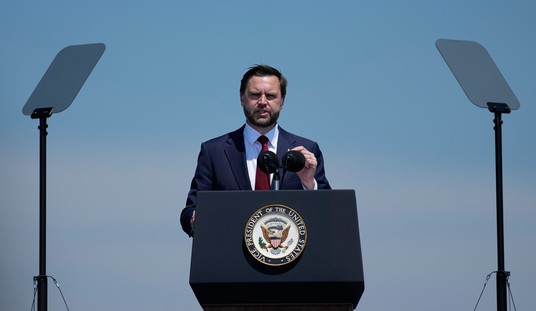
This is where hope enters the picture. Rep. Scott Perry’s Defund Davos Act underscores that this administration and its allies are finally drawing a line against borrowing money to subsidize global elites. By directly challenging the global funding of anti-American organizations, the administration is signaling a clear break from years of self-inflicted fiscal destruction.
This shift matters because true leadership is not measured by how many international conferences America sponsors or how loudly it is applauded in elite circles. Leadership begins with solvency, accountability and the courage to say no. Defunding elite institutions is not about retreating from the world; it is about restoring the proper order of responsibility, first to citizens, then to allies, and only then to international cooperation that demonstrably serves U.S. interests.
There is also an unavoidable moral dimension to this debate. For Christian conservatives especially, stewardship is not an abstract concept; it is a governing obligation. A nation that continually borrows to fund the influence and indulgence of global elites while passing the bill to future generations is not acting responsibly. Fiscal discipline is not cruelty. It is compassion for those who will inherit the consequences of today’s decisions.
Critics will claim these moves are disruptive or dangerous. In reality, the truly reckless behavior was pretending that unlimited spending, unlimited debt, and unlimited global commitments could coexist indefinitely. They cannot. The real choice is not between engagement and isolation. It is between reform and bankruptcy. By reasserting control over spending and refusing to treat global elites as untouchable beneficiaries of American debt, this administration is signaling that decline is not inevitable.
America does not need permission from Davos to govern itself. It needs leaders willing to count the cost, confront uncomfortable truths, and put the long-term health of the nation above elite approval, before the bill finally comes due.
Financial Issues Stewardship Ministries (FISM) host Mark Minnella brings 35 years of experience helping individuals invest with biblical integrity. He was the founder and president of one of the first investment advisories dedicated to biblically responsible investing principles. A co-founder of the National Association of Christian Financial Consultants and creator of the CFCA designation, Mark has been a voice for biblical stewardship through radio, writing and speaking for over 30 years. He hosted “More Than Money” on Bott Radio Network for 17 years and is the author of “The Wall Street Awakening.” Mark and his wife, Cindy, live in St. Louis, MO, and have three grown children.