





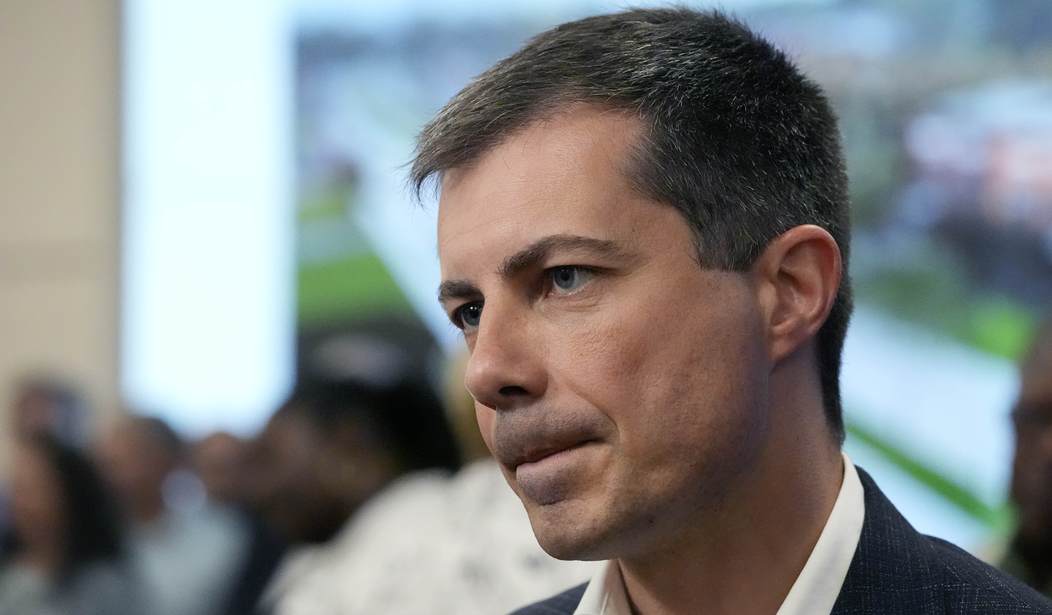
Pete Buttigieg and his family should never have endured a malicious false report that brought police and Child Protective Services to their home, temporarily separated him from his young children, and forced his family through a needless ordeal. Authorities quickly determined the allegations were baseless.
The bipartisan condemnation that followed was appropriate. Political leaders from across the country spoke with one voice. Commentators expressed outrage. The message was unmistakable: there are lines that should never be crossed.
They were right.
But watching the response unfold left me asking a question I have carried since my daughter Katie was killed.
Why does our political class know exactly how to respond when one of its own is harmed, yet struggle to summon the same moral urgency when ordinary Americans are actually buried?
That is when I realized America has created a hierarchy of compassion.
It is not a hierarchy of human worth. Every life has equal value. It is a hierarchy of political attention, and in modern America, attention often determines whether anyone asks the questions that might prevent the next tragedy.
The politically connected receive immediate public empathy, media attention, and demands for accountability. Public figures outside the political mainstream often receive less unified attention. Ordinary Americans rarely become part of the national conversation unless their stories serve someone else's preferred political narrative.
I know exactly what that feels like.
My daughter Katie was twenty years old. She was a college student visiting friends in Urbana, Illinois, when the car she was riding in was struck from behind at nearly 80 miles per hour by an intoxicated illegal immigrant.
Katie died.
Her ashes are still with our family. I will not bury my daughter in the state whose policies helped create the conditions that took her life. We will find a new place to call home. That is where Katie will rest.
Pete Buttigieg's family endured a terrifying and deeply unjust ordeal.
My family endured the irreversible loss of our daughter.
His family was reunited.
Katie never came home.
I would never wish our pain on anyone, including Pete Buttigieg. But I cannot ignore what his family's experience revealed.
Katie's death was often reduced to "just another drunk-driving crash," as though the circumstances that made it possible were irrelevant.
Almost no one wanted to ask the uncomfortable questions.
How did someone who had previously been deported return to the United States?
How did he obtain an Illinois driver's license?
Why were there so few safeguards before innocent people paid the price?
Those questions point toward public policy.
Grief demands that we ask them—not to assign blame to any one person, but to prevent the next Katie.
Instead of examining whether reckless immigration policies, sanctuary jurisdictions, and a "welcoming" ideology helped create the conditions that made Katie's death possible, too many elected officials simply looked away.
Angel Families understand this hierarchy better than anyone. Their losses too often complicate preferred political narratives and are quickly pushed aside. The creation of the federal Victims of Immigration Crime Engagement (VOICE) Office is itself an acknowledgment that these families needed a dedicated place to be heard. We should never need a government office to remind our leaders that grieving American families matter.
Before Katie was killed, I wasn't an activist. I wasn't looking for a political fight. I was simply a father who assumed that if the unthinkable ever happened, our leaders would care more about preventing the next tragedy than protecting a political narrative.
Instead, I often felt treated not as a grieving father, but as a political inconvenience because my daughter's story challenged an ideology.
That realization may be almost as heartbreaking as the silence itself.
When some victims consistently receive immediate attention while others struggle even to be acknowledged, we are saying something profound about who counts.
A society cannot claim to value every human life while treating certain victims as politically inconvenient. If an entire class of grieving families falls outside our moral concern because their stories are politically uncomfortable, that is more than indifference. It is a quiet form of dehumanization.
I don't want less compassion for Pete Buttigieg or his family.
I want the same compassion, urgency, and willingness to confront uncomfortable truths for every American family whose lives have been permanently shattered.
Every preventable death deserves an honest examination, even when the answers are politically inconvenient.
Illinois was my home for my entire life. I believed it was where my family would one day be laid to rest together.
I no longer believe that.
Katie's ashes remain with us because I will not bury my daughter in the state whose policies helped create the conditions that took her life. We will find a new place to call home, and when we do, that is where Katie and I will rest together.
That is what the hierarchy of compassion ultimately costs.
It doesn't simply leave families grieving.
It can take away their sense of home.
It can convince ordinary Americans that their grief matters less because it is politically inconvenient.
A healthy republic cannot survive if justice is blind but compassion is partisan.
No American family should need political clout before America decides their grief counts.
Editor's Note: Do you enjoy Townhall's conservative reporting that takes on the radical left and woke media? Support our work so that we can continue to bring you the truth.
Join Townhall VIP and use promo code FIGHT to receive 60% off your membership.

Join the Conversation
VIP members get the ability to comment on articles.